
Amazing Metabolism Boosting Foods to Burn Fat Naturally (Science Guide 2026)
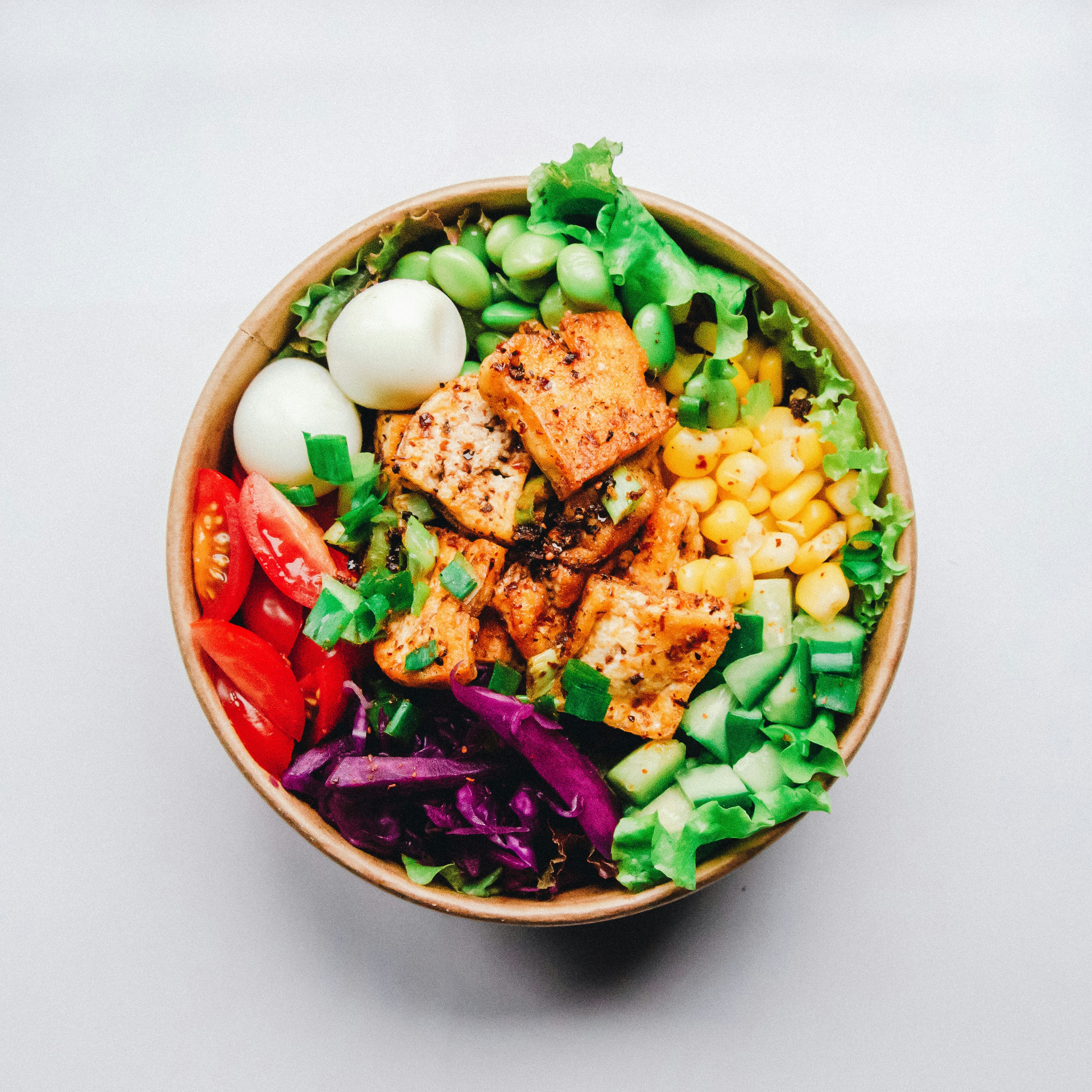
Metabolism boosting foods play a critical role in how your body burns fat, produces energy, and maintains overall metabolic health. In simple terms, metabolism is the engine of your body, and the food you eat acts as the fuel that either improves or slows down this engine. A slow metabolism often results in weight gain, fatigue, poor digestion, and difficulty losing fat even with diet control.
When you consistently consume metabolism boosting foods, your body becomes more efficient at converting food into usable energy instead of storing it as fat. This is not just about calorie intake but about how your hormones, enzymes, and digestive system respond to different types of food. Understanding this mechanism can completely change your approach to weight loss.
What Are Metabolism Boosting Foods?
Metabolism boosting foods are natural whole foods that increase your body’s energy expenditure during digestion and absorption. These foods work by activating thermogenesis, which is the process where your body burns calories to produce heat. This means you continue burning calories even after eating.
In addition, these foods help regulate blood sugar levels, improve insulin sensitivity, and support hormonal balance. When insulin levels remain stable, your body is less likely to store excess energy as fat and more likely to use it for fuel. This is why including metabolism boosting foods consistently in your diet is far more effective than extreme dieting.
Another important benefit is their impact on satiety. Many metabolism boosting foods are high in protein or fiber, which helps you feel full for longer periods. This naturally reduces overeating and supports long-term fat loss without strict restrictions.
How Metabolism Boosting Foods Work
Metabolism boosting foods work through several biological pathways. The first mechanism is the Thermic Effect of Food (TEF), which refers to the energy required by your body to digest, absorb, and process nutrients. Protein-rich foods have the highest thermic effect, meaning they require more calories to process compared to fats and carbohydrates.
The second mechanism is hormonal regulation. Foods that stabilize insulin levels help prevent fat storage and promote fat burning. When insulin remains balanced, your body is more likely to access stored fat for energy instead of relying only on incoming calories.
The third mechanism involves mitochondrial activity. Certain nutrients found in metabolism boosting foods enhance mitochondrial efficiency, which improves energy production at the cellular level. This leads to higher stamina, better fat oxidation, and improved metabolic performance over time.
Best Metabolism Boosting Foods
A wide variety of everyday foods can significantly improve metabolic activity when consumed regularly. Eggs are one of the best examples because they contain high-quality protein and essential amino acids that support muscle maintenance. Muscle tissue is metabolically active, meaning it burns calories even at rest.
Green tea and coffee contain natural compounds like caffeine and antioxidants that increase energy expenditure and fat oxidation. Chili peppers contain capsaicin, which increases body temperature and activates thermogenesis, leading to additional calorie burn.
Foods like oats, Greek yogurt, spinach, almonds, chicken breast, ginger, garlic, coconut oil, berries, and water all play different roles in improving metabolism, supporting digestion, and balancing hormones. When combined together, they create a powerful fat-burning nutritional environment.
External Science Reference
For additional scientific understanding of metabolism and fat loss, you can refer to trusted health research sources that explain how metabolism responds to diet and lifestyle changes.
Trusted Research on Metabolism and Fat Burning Science
Daily Plan Using Metabolism Boosting Foods
A structured daily eating plan helps maximize the benefits of metabolism boosting foods. Starting your day with protein-rich foods such as eggs helps activate thermogenesis early in the morning. This sets the tone for higher calorie burning throughout the day.
Including complex carbohydrates like oats provides sustained energy release, preventing blood sugar spikes that lead to fat storage. Midday meals should include balanced protein and vegetables to maintain energy stability, while snacks like almonds help control hunger between meals.
In the evening, lighter meals with protein and fiber support digestion and prevent unnecessary calorie accumulation during sleep. This structured approach ensures that metabolism boosting foods are working throughout the entire day.
Internal SEO Links
Why Metabolism Boosting Foods Matter
Metabolism boosting foods are essential because they directly influence how efficiently your body processes energy. Without them, the body is more likely to store excess calories as fat, especially when combined with sedentary habits or poor sleep patterns.
Over time, consistently eating metabolism boosting foods can improve insulin sensitivity, reduce inflammation, and enhance overall metabolic health. This leads to easier weight management and improved energy levels throughout the day.
Final Thoughts
Metabolism boosting foods are not a temporary diet trend but a long-term nutritional strategy. When used consistently, they help create a sustainable fat-burning environment in the body. Combined with regular physical activity and proper sleep, they significantly improve overall health and weight management.
The key to success is consistency. Small daily improvements in food choices can lead to long-term metabolic transformation and visible fat loss results.
Disclaimer: This article is for educational purposes only. Please consult a healthcare professional before making dietary changes.