
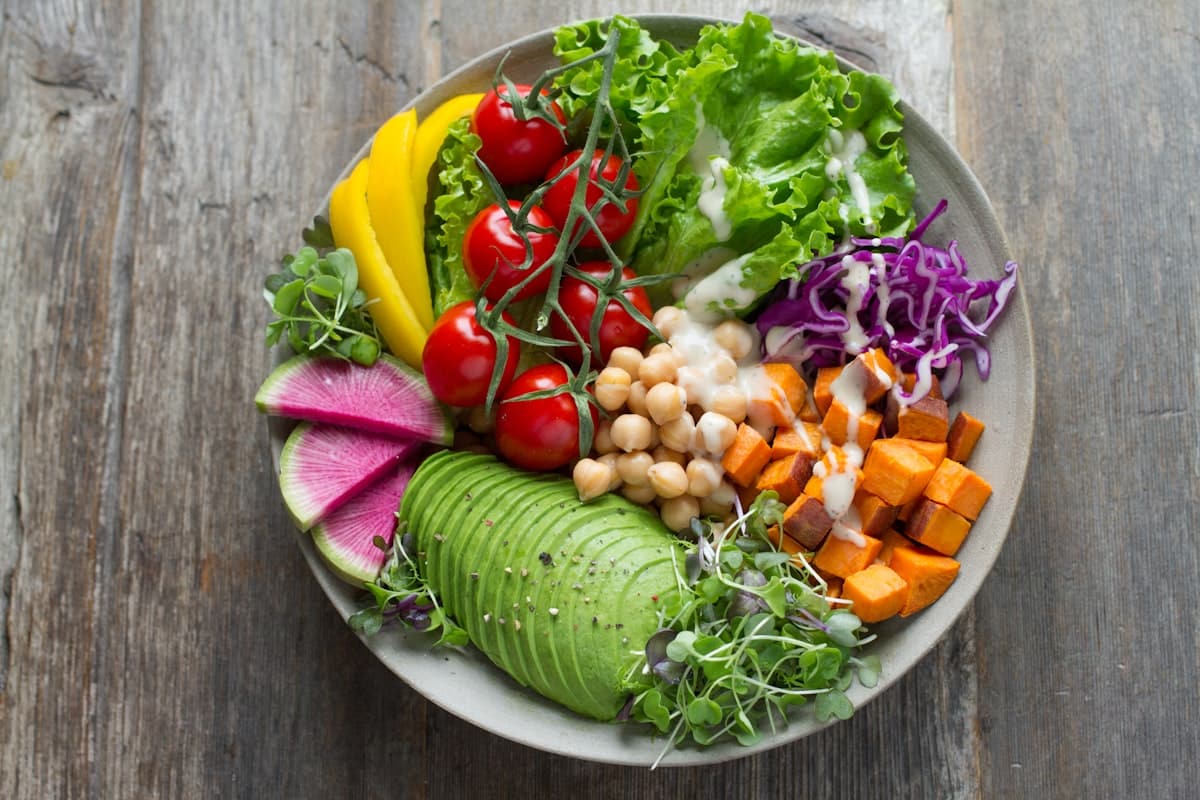
Heart Healthy Foods: What to Eat Every Day for a Stronger Heart
Heart healthy foods do more than most people realise. The popular image is that heart-protective eating means avoiding bad things — less butter, less salt, less red meat. That’s part of it. But the most powerful dietary cardiovascular protection comes from the specific foods you add to every single day, not just what you eliminate. The right foods reduce LDL oxidation, lower blood pressure through dietary nitrate, improve arterial compliance through polyphenols, reduce platelet aggregation through omega-3, and feed the gut microbiome that regulates systemic inflammation — simultaneously, through multiple independent mechanisms.
The difference between a diet that vaguely avoids bad things and a diet built around the specific heart healthy foods with the strongest cardiovascular evidence is the difference between marginal and meaningful risk reduction. The PREDIMED trial — the largest dietary cardiovascular prevention trial ever conducted — demonstrated 30% reduction in major cardiovascular events in five years from a Mediterranean dietary pattern rich in the specific foods covered in this guide. That’s a pharmaceutical-level effect from food alone.
This guide covers the eleven most evidence-backed heart healthy foods, exactly what each does in the body, the specific mechanisms behind their cardiovascular protection, and how to build them into daily eating without overcomplicating your meals.
Heart healthy foods work most powerfully when combined with management of the underlying risk factors driving cardiovascular disease. Our guide on how to lower cholesterol covers the complete dietary and lifestyle protocol that builds on the specific foods described here.
The Science Behind Heart Healthy Foods
Before covering the specific foods, it’s worth understanding why the same food can address multiple cardiovascular risk factors simultaneously — because this is what makes certain foods so disproportionately powerful for cardiovascular protection.
How Heart Healthy Foods Work Through Multiple Pathways
Cardiovascular disease progresses through several simultaneous mechanisms: LDL oxidation driving foam cell formation; endothelial dysfunction reducing nitric oxide and arterial relaxation; platelet hyperactivation increasing thrombotic risk; systemic inflammation destabilising atherosclerotic plaques; insulin resistance driving the metabolic dyslipidaemia pattern; and RAAS activation elevating blood pressure through sodium retention. The most powerful heart healthy foods address several of these pathways at once — which is why the cumulative effect of building a diet around them is so much larger than targeting any single risk factor. No pharmaceutical agent addresses all six simultaneously. Several foods do.
Why the Combination Effect Matters
Research documented by the National Institutes of Health confirms that the cardiovascular protection from heart healthy foods is additive — combining multiple protective foods produces larger risk reductions than any single food alone. The Portfolio Diet, which combines four evidence-based cholesterol-lowering food categories, produces LDL reductions of 20–30% comparable to low-dose statin treatment. The Mediterranean dietary pattern, which combines all the major heart healthy foods described in this guide, reduces cardiovascular events by 30% in high-risk populations. The mechanism is synergy across independent pathways — each food doing something slightly different, collectively producing protection that no single intervention matches.
How Hormones Interact With Heart Healthy Foods
The effectiveness of heart healthy foods is modulated by the hormonal environment — understanding this connection helps explain why the same foods produce different results in different people.
Insulin Resistance and Heart Healthy Foods
Insulin resistance drives the metabolic dyslipidaemia pattern — high triglycerides, low HDL, elevated small dense LDL — that responds less to the dietary fat modifications most heart healthy foods target and more to the carbohydrate quality and fibre content of the diet. Heart healthy foods that most specifically address the insulin resistance cardiovascular pattern: legumes (low glycaemic load with soluble fibre); oily fish (EPA and DHA reducing the triglyceride component); nuts (improving insulin sensitivity through their unsaturated fat and polyphenol profile); and dark leafy greens (the potassium and magnesium most reducing the insulin resistance blood pressure component).
Oestrogen, Menopause, and Heart Healthy Foods
After menopause, oestrogen’s cardioprotective effects — raising HDL, lowering LDL, maintaining endothelial function — are withdrawn, accelerating the atherosclerotic process and shifting the cardiovascular risk profile toward what men experience from middle age. Heart healthy foods with specific relevance to postmenopausal cardiovascular protection: soy foods (isoflavones providing modest oestrogenic receptor activity supporting LDL metabolism); flaxseed (lignans supporting hormonal balance); and the dietary nitrate-rich foods most directly compensating for the reduced endothelial nitric oxide production that oestrogen loss impairs.
The 11 Most Evidence-Backed Heart Healthy Foods
Heart Healthy Food 1: Extra-Virgin Olive Oil
Extra-virgin olive oil is the single most evidence-based heart healthy food for cardiovascular risk reduction — supported by the PREDIMED trial demonstrating 30% cardiovascular event reduction over five years at four tablespoons daily. The mechanisms are multiple and specific. Oleocanthal inhibits NF-kB — the same inflammatory pathway that ibuprofen targets — reducing the vascular inflammation most destabilising atherosclerotic plaques. Polyphenols including hydroxytyrosol inhibit LDL oxidation, the modification converting mildly atherogenic LDL into the highly atherogenic form that triggers foam cell formation. And oleic acid replaces saturated fat in cellular membranes, improving LDL receptor expression and reducing LDL clearance impairment.
Not all olive oil provides these benefits equally. Extra-virgin (cold-pressed, unrefined) retains the polyphenol content most responsible for the anti-inflammatory and LDL oxidation-inhibiting effects. Light or refined olive oil has most polyphenols removed. The heart healthy foods application: use EVOO as the default cooking fat, drizzle on salads and vegetables, and aim for three to four tablespoons daily rather than occasional use.
Heart Healthy Food 2: Fatty Fish
Salmon, sardines, mackerel, herring, and anchovies provide EPA (eicosapentaenoic acid) and DHA (docosahexaenoic acid) — the active long-chain omega-3 fatty acids with the most specific cardiovascular protection mechanisms. EPA and DHA reduce triglycerides by 20–30% at therapeutic doses through direct inhibition of hepatic VLDL synthesis — addressing the metabolic dyslipidaemia component of cardiovascular risk that other heart healthy foods don’t directly target. They reduce platelet aggregation and thromboxane production — decreasing the thrombotic tendency most converting plaque rupture into acute occlusion. And the REDUCE-IT trial documented 25% reduction in major cardiovascular events from high-dose EPA (4 grams daily as icosapentaenoic acid) in high-risk patients on statins — the strongest recent cardiovascular outcomes evidence for any nutritional intervention.
The practical heart healthy foods frequency: three servings of oily fish weekly provides meaningful EPA and DHA. Tinned sardines and mackerel are the most affordable sources. For those who don’t eat fish regularly, algae-based EPA and DHA supplements at 2 grams daily deliver the active forms without the sustainability or dietary restriction concerns of fish consumption.
Heart Healthy Food 3: Mixed Nuts
Walnuts, almonds, Brazil nuts, and hazelnuts are among the most consistently heart healthy foods in the evidence base — with meta-analyses documenting LDL reductions of 5–10% from a daily handful (30 grams) and the PREDIMED nut group showing equivalent cardiovascular event reduction to the olive oil group over five years. The mechanisms are overlapping: plant sterols block intestinal cholesterol absorption; monounsaturated and polyunsaturated fats replace saturated fat in membranes and improve LDL receptor expression; polyphenols reduce LDL oxidation and vascular inflammation; fibre supports the gut microbiome most active in bile acid recycling; and magnesium and potassium support arterial blood pressure regulation.
Walnuts specifically provide ALA omega-3 alongside their other heart healthy foods benefits — the only common tree nut with meaningful omega-3 content. The practical daily habit: a small handful of mixed unsalted nuts as a mid-morning snack, replacing processed snack foods. Raw or dry-roasted rather than oil-roasted varieties maintain the full polyphenol content. Avoid flavoured or heavily salted nuts — the sodium addition works against the cardiovascular benefits.
Heart Healthy Food 4: Dark Leafy Greens
Spinach, kale, rocket, Swiss chard, and watercress are the heart healthy foods most directly supporting endothelial nitric oxide production — the primary mechanism of arterial relaxation and blood pressure regulation. Their high inorganic nitrate content converts to nitric oxide through bacterial reduction on the tongue and in the gut, directly relaxing arterial smooth muscle. This is the same mechanism that nitrate vasodilator medications (GTN spray) use — the difference being that dietary nitrate is sustainable as a daily habit and addresses the endothelial function most relevant to blood pressure without the tolerance that develops with pharmaceutical nitrates.
Beyond nitrate, these heart healthy foods provide potassium (supporting renal sodium excretion and blood pressure regulation), magnesium (supporting arterial smooth muscle relaxation), vitamin K1 (activating matrix Gla protein to prevent arterial calcification), and folate (reducing homocysteine — an independent cardiovascular risk marker). The daily habit: a large salad at lunch and a portion of cooked greens at dinner provides the nitrate, potassium, and magnesium most specifically relevant to cardiovascular protection.
Heart Healthy Food 5: Oats and Barley
Oats and barley are the heart healthy foods with the most specifically documented LDL-reducing mechanism among whole grains: beta-glucan, the viscous soluble fibre that forms a gel in the intestine, binds bile acids, and prevents their reabsorption. When bile acid reabsorption falls, the liver uses circulating cholesterol to synthesise replacement bile acids — directly lowering blood LDL. Three grams of beta-glucan daily (approximately two servings of porridge) consistently produces 5–10% LDL reductions in controlled trials.
Beta-glucan is also prebiotic — feeding the gut bacteria most active in bile acid metabolism and butyrate production that reduce systemic inflammation and support the cardiovascular protection of the gut-heart axis. The practical heart healthy foods application: overnight oats at breakfast with ground flaxseed, mixed berries, and a tablespoon of ground almonds provides beta-glucan, lignan bile acid binding, anthocyanins, and omega-3 ALA simultaneously — the most cardiovascularly comprehensive breakfast available from standard ingredients.
Heart Healthy Food 6: Blueberries and Mixed Berries
Blueberries, strawberries, raspberries, and mixed berries are the heart healthy foods with the most specific evidence for endothelial function improvement through anthocyanin AMPK activation — the pathway that increases endothelial nitric oxide synthase (eNOS) expression and arterial relaxation. The EPIC-Norfolk cohort found that high anthocyanin intake was independently associated with lower systolic blood pressure across fourteen years of follow-up. And a trial specific to blueberries documented improvements in flow-mediated arterial dilation — a direct measure of endothelial function — at one cup daily over eight weeks.
Berries also specifically cross the blood-brain barrier and accumulate in brain tissue, providing direct neuroprotective effects that make them heart healthy foods with dual cardiovascular and cognitive benefits. Frozen berries are nutritionally equivalent to fresh and considerably more affordable — making daily berry consumption one of the most accessible heart healthy foods habits regardless of season or budget. Add to oats, yoghurt, or smoothies at breakfast, or eat as a snack.
Heart Healthy Food 7: Legumes
Lentils, chickpeas, black beans, white beans, and edamame are among the most calorie-efficient heart healthy foods available — providing the combined soluble fibre, plant protein, potassium, magnesium, and low glycaemic load that collectively address LDL, blood pressure, insulin resistance, and gut microbiome composition simultaneously. A half-cup of cooked legumes daily consistently produces approximately 5% LDL reduction in meta-analyses through bile acid binding. Their potassium content supports blood pressure. Their prebiotic fibre feeds the gut bacteria most active in the short-chain fatty acid production that reduces vascular inflammation.
Legumes are the most underused of all heart healthy foods in Western diets — consumed less than once weekly in typical Western eating patterns, despite the overwhelming cardiovascular and metabolic health evidence for their daily consumption. The practical approach: replace one meat-based meal per day with a legume-based equivalent — lentil soup instead of ham sandwich, chickpea curry instead of chicken stir-fry, black bean tacos instead of beef. The protein quality is comparable; the cardiovascular benefit is significantly superior.
Heart Healthy Food 8: Beetroot
Beetroot is among the most acutely vasodilatory of all heart healthy foods — the highest inorganic nitrate concentration of any commonly consumed vegetable. A single 500ml serving of beetroot juice produces measurable blood pressure reductions within two to three hours through the nitrate-to-nitric-oxide conversion pathway, with studies documenting 4–8 mmHg acute systolic reductions. Daily beetroot consumption produces sustained endothelial adaptation over weeks — improving cerebrovascular autoregulation and reducing resting blood pressure beyond the acute effect of each serving.
The practical inclusion: roasted beetroot in salads, beetroot juice alongside meals, or grated raw beetroot in slaws provides the nitrate dose most relevant to cardiovascular benefit. The effect is most pronounced two to three hours after consumption, making beetroot a useful inclusion at lunch for the afternoon blood pressure peak. Avoid beetroot juice from boiled concentrate — heat treatment destroys a significant portion of the nitrate content and most of the remaining polyphenols.
Heart Healthy Food 9: Garlic
Garlic is one of the most specifically studied of all heart healthy foods for blood pressure and LDL reduction — with meta-analyses documenting 3–5 mmHg systolic blood pressure reductions and 5–10% LDL reductions from daily garlic consumption at two to four cloves or equivalent supplementation. The active compounds — allicin (from fresh crushed garlic) and its derivatives — produce vasodilation through hydrogen sulphide-mediated mechanisms, inhibit HMG-CoA reductase (reducing hepatic cholesterol synthesis), and reduce platelet aggregation through cyclooxygenase inhibition.
The cardiovascular benefit is specific to allicin generation — which requires crushing or chopping garlic and allowing it to rest for ten minutes before cooking or consumption. Whole uncrushed garlic, or garlic powder without this resting step, produces minimal allicin. For people who find fresh garlic socially impractical, aged garlic extract at 600–1,200 mg daily provides standardised alliin content and removes the odour-producing compounds while retaining the cardiovascular benefits. Two to four cloves in every savoury dish is the most practical daily heart healthy foods habit for garlic.
Heart Healthy Food 10: Dark Chocolate (70%+ Cocoa)
Dark chocolate at 70% cocoa or above is one of the most pleasurable heart healthy foods with genuine, mechanistically specific cardiovascular evidence. The flavanols in high-cocoa dark chocolate activate eNOS — increasing endothelial nitric oxide production and directly improving arterial compliance. Controlled trials document 2–4 mmHg systolic reductions at 30–50 grams daily of 70%+ cocoa dark chocolate, with the blood pressure effect confirmed in multiple meta-analyses. The same flavanols reduce LDL oxidation and platelet aggregation — making dark chocolate a food that addresses three cardiovascular mechanisms simultaneously.
The specificity matters: these benefits are from the flavanols in cocoa, not from chocolate broadly. Milk chocolate contains too little cocoa solids and too much added milk (which binds flavanols and reduces absorption). White chocolate contains no cocoa solids. Heavily processed commercial dark chocolate often has flavanol content reduced through Dutch processing. For heart healthy foods benefit, 70%+ cocoa dark chocolate in 30–50 gram daily portions — about one to two squares — provides the flavanol dose most consistently showing cardiovascular benefit in trials.
Heart Healthy Food 11: Avocado
Avocado is the heart healthy food that most specifically improves both sides of the LDL vs HDL ratio simultaneously. Its oleic acid replaces the saturated fat that would otherwise suppress LDL receptor expression, lowering LDL. Its plant sterols block intestinal cholesterol absorption, adding further LDL reduction. And the polyphenols in avocado preserve HDL functionality — maintaining the reverse cholesterol transport efficiency that is HDL’s primary cardiovascular protection mechanism. Controlled trials specifically examining avocado consumption document reductions in small dense LDL — the most atherogenic LDL subtype — alongside LDL reduction, making avocado one of the heart healthy foods most directly addressing cardiovascular risk at the particle quality level.
A daily half to whole avocado provides meaningful amounts of potassium (supporting blood pressure), folate (reducing homocysteine), and vitamin E (reducing LDL oxidation) alongside the oleic acid and plant sterol cardiovascular benefits. Avocado on wholegrain toast at breakfast — replacing butter or margarine — represents one of the most impactful single daily heart healthy foods substitutions available, switching from a saturated fat that suppresses LDL receptors to a monounsaturated fat that supports them.
9 Proven Strategies to Build Heart Healthy Foods Into Daily Life
Strategy 1: Build the Daily Heart Healthy Foods Foundation
The most effective approach to heart healthy foods is building a daily default eating pattern around the foods described above — rather than thinking about cardiovascular diet as a set of restrictions applied to existing habits. The daily heart healthy foods foundation: EVOO as the default cooking fat; a large daily salad of dark leafy greens with beetroot, avocado, and mixed nuts; porridge or overnight oats at breakfast with berries; a legume-based lunch or dinner at least four times weekly; and oily fish three times weekly. These six habits, maintained consistently, address all major cardiovascular protection mechanisms simultaneously.
Strategy 2: Use the Portfolio Diet for Maximum LDL Reduction
The Portfolio Diet combines four evidence-based LDL-lowering food categories simultaneously — producing 20–30% LDL reductions comparable to low-dose statin treatment from diet alone. The four components: plant sterols at 2 grams daily (from fortified foods or supplements); viscous soluble fibre at 10+ grams daily from oats, barley, psyllium, and legumes; soy protein at 25 grams daily from tofu, edamame, and soy milk; and mixed nuts at 30 grams daily. Each of these is independently a heart healthy foods category — their combination through the Portfolio Diet produces additive LDL reductions that exceed what any single category achieves.
Strategy 3: Maximise Dietary Nitrate for Blood Pressure
Dietary nitrate from dark leafy greens and beetroot is the heart healthy foods mechanism most directly addressing blood pressure through the endothelial nitric oxide pathway. To maximise the nitrate dose daily: include rocket, spinach, or watercress in every salad; eat cooked spinach or kale at dinner; and add beetroot to salads or consume as juice three to four times weekly. The nitrate-to-nitric-oxide conversion begins on the tongue through the oral microbiome — avoid antibacterial mouthwash, which destroys the oral bacteria that perform this conversion and eliminates the blood pressure benefit of dietary nitrate.
Strategy 4: Replace Processed Snacks With Heart Healthy Foods Alternatives
Snacking habits are among the most accessible and highest-impact opportunities for introducing heart healthy foods into daily eating — because the standard snack foods (crisps, biscuits, commercial cereal bars) are the foods most combining refined carbohydrate, saturated fat, and sodium in ways that collectively worsen the cardiovascular risk profile. The heart healthy foods snack replacements: mixed nuts replacing crisps or biscuits; fresh fruit with nut butter replacing commercial cereal bars; dark chocolate replacing milk chocolate confectionery; and plain yoghurt with berries replacing commercial dessert options. Each replacement simultaneously introduces a specific heart healthy foods category while removing a cardiovascular risk-worsening input.
Strategy 5: Cook With Garlic, Herbs, and Spices Rather Than Salt
Replacing salt in cooking with heart healthy foods flavourings addresses sodium reduction (the primary blood pressure dietary intervention) while simultaneously adding cardiovascular benefit from the flavourings themselves. Garlic provides ACE-inhibiting and cholesterol-lowering allicin. Turmeric with black pepper provides curcumin with documented NF-kB anti-inflammatory and LDL-oxidation-inhibiting activity. Rosemary provides rosmarinic acid with antioxidant and anti-platelet effects. Cinnamon improves insulin sensitivity and reduces fasting glucose. And lemon juice provides flavonoids and acid that brighten flavours while providing no sodium. Building these heart healthy foods additions into every savoury dish composes the cardiovascular benefit from flavour alongside sodium reduction.
Strategy 6: Combine Heart Healthy Foods for Synergistic Benefit
Certain heart healthy foods combinations produce greater cardiovascular benefit than either food alone — because their mechanisms are complementary. Olive oil with dark leafy greens: the fat-soluble polyphenols in greens require fat for absorption, and olive oil simultaneously provides its own cardiovascular benefits. Curcumin with black pepper and fat: curcumin’s bioavailability increases 20-fold with piperine from black pepper and requires fat for absorption — making a turmeric-seasoned dish cooked in olive oil the most bioavailable curcumin delivery available through food. And beta-glucan from oats with plant sterols: their independent cholesterol-lowering mechanisms through bile acid binding and absorption inhibition produce additive LDL reduction when consumed together at the same meal.
Strategy 7: Prioritise Heart Healthy Foods Over Supplements
The whole food matrix of heart healthy foods consistently outperforms isolated nutrient supplementation for cardiovascular outcomes — because foods provide combinations of compounds that work synergistically in ways single-nutrient supplements don’t replicate. The antioxidants in a handful of mixed nuts work together in a matrix that combined antioxidant supplements have not been able to replicate. The dietary nitrate in a large salad of dark leafy greens converts to nitric oxide through a gut-bacterial pathway that concentrated nitrate supplements bypass differently. Build the heart healthy foods foundation through food first — supplements fill gaps and add targeted benefit but don’t replace the whole food cardiovascular protection matrix.
Strategy 8: Address the Gut-Heart Connection Through Fermented Foods
The gut microbiome directly influences cardiovascular risk through bile acid recycling (affecting LDL clearance), TMAO production from dietary choline and carnitine (promoting atherosclerosis from specific bacteria), short-chain fatty acid production (reducing vascular inflammation), and systemic LPS-mediated inflammation from leaky gut. Daily fermented foods — plain kefir, live yoghurt, sauerkraut, kimchi, and kombucha — restore the Lactobacillus and Bifidobacterium populations most active in the anti-inflammatory gut-heart pathways. These make the heart healthy foods foundation more effective by improving the gut microbiome environment through which many of the cardiovascular protection mechanisms from dietary fibre, polyphenols, and plant sterols operate.
Strategy 9: Build Heart Healthy Foods Into Social and Cultural Contexts
The most common reason heart healthy foods dietary changes fail long-term is that they were implemented as restrictions on social and family eating rather than integrated into the food culture that most people actually eat in. The Mediterranean dietary pattern — built around olive oil, fish, legumes, vegetables, nuts, and whole grains — is simultaneously the most evidence-based heart healthy foods eating pattern and one of the most socially and culturally rich food traditions in the world.
Building these foods into shared meals, restaurant choices, and family cooking as positive additions rather than restrictions produces the sustained adherence that short-term “heart healthy diets” never achieve. For the cardiovascular markers most useful for tracking progress from a heart healthy foods dietary programme, our guide on metabolic health markers and what they reveal covers the most clinically relevant tests.
Heart Healthy Foods: The Complete Daily Eating Plan
The most practical way to implement heart healthy foods is through a structured daily eating framework that builds protective foods into each meal automatically.
Breakfast: The Heart Healthy Foods Morning Foundation
Overnight oats with the works. Base: 80 grams rolled oats providing 3 grams beta-glucan for LDL reduction. Add: two tablespoons ground flaxseed (lignans + ALA omega-3 + soluble fibre); a cup of mixed berries (anthocyanins + endothelial eNOS activation); a small handful of walnuts (ALA omega-3 + plant sterols); and a tablespoon of nut butter (monounsaturated fat + plant sterols). Alternatively: avocado on wholegrain toast with poached eggs — replacing butter with avocado oleic acid and plant sterols alongside the egg protein and choline. Both breakfast options implement multiple heart healthy foods categories in a single meal.
Lunch: The Heart Healthy Foods Midday Plate
The large salad. Base: rocket, spinach, or watercress — maximum dietary nitrate content of any salad green category. Add: cooked beetroot (additional nitrate + anthocyanins); half an avocado (oleic acid + plant sterols + potassium); mixed seeds (pumpkin, sunflower) or a small handful of mixed nuts; and a generous dressing of extra-virgin olive oil with lemon juice, garlic, and herbs. This salad implements four of the eleven heart healthy foods categories simultaneously and reaches the dietary nitrate dose most specifically relevant to blood pressure reduction.
Dinner: The Heart Healthy Foods Evening Meal
The rotating protein-legume combination. Three nights weekly: oily fish (salmon, sardines, mackerel) with roasted sweet potato and cooked spinach — providing EPA/DHA, beta-carotene, and folate alongside nitrate from the greens. Two nights: legume-based dishes — lentil dahl, chickpea curry, black bean stew — providing plant protein, soluble fibre, potassium, and magnesium. One night: poultry with abundant vegetables cooked in olive oil and garlic. And one night: plant-based — tofu or tempeh with roasted vegetables, walnuts, and a large salad. This weekly rotation implements the full heart healthy foods diversity most comprehensively addressing cardiovascular risk.
Snacks and Additions
A small handful of mixed nuts mid-morning. Two to three squares of 70%+ dark chocolate after lunch or dinner. A cup of hibiscus tea or green tea (both with mild blood pressure benefits) in the afternoon. Garlic in every savoury dish — the two to four cloves daily habit that most directly delivers the ACE-inhibiting and cholesterol-lowering allicin most specifically reducing blood pressure and LDL simultaneously. These additions implement heart healthy foods benefits in the small pockets of daily eating that collectively add up to meaningful cardiovascular protection.
Heart Healthy Foods for Plant-Based Eaters
Whole-food plant-based diets provide a natural abundance of heart healthy foods — and people eating plant-forward diets consistently achieve lower LDL, lower blood pressure, and lower cardiovascular event rates than comparable omnivorous populations. The plant-based diet is inherently rich in the beta-glucan, soluble fibre, plant sterols, dietary nitrate, potassium, and diverse polyphenols that characterise the most effective heart healthy foods categories.
The plant-based heart healthy foods attention points: ensure EPA and DHA from algae-based supplements at 2 grams daily, since plant ALA from flaxseed and walnuts converts inefficiently to the active cardiovascular protection forms; vitamin B12 through methylcobalamin (deficiency elevates homocysteine — an independent cardiovascular risk marker); and adequate iodine through seaweed or supplementation to maintain the thyroid function whose optimisation supports LDL receptor expression and endothelial function.
Heart Healthy Foods: 7 Common Mistakes
Mistake 1: Focusing on What to Avoid Rather Than What to Add
A diet defined primarily by restriction — no butter, no red meat, no salt — is harder to sustain and less effective than one built around the positive addition of heart healthy foods. Restriction creates deprivation; addition creates abundance. Fix: For every food reduced, identify and introduce a specific heart healthy foods replacement that provides cardiovascular benefit. Replace butter with olive oil. Replace crisps with mixed nuts. Replace commercial cereal with porridge. The restriction happens automatically through displacement rather than willpower.
Mistake 2: Using Refined Olive Oil Instead of Extra-Virgin
Regular olive oil (refined, light, or “pure”) has most of the polyphenols responsible for LDL oxidation inhibition and vascular anti-inflammation removed during processing. It provides oleic acid but not the cardiovascular protection most specific to extra-virgin olive oil. Fix: Extra-virgin olive oil is the only form providing the full cardiovascular benefit of heart healthy foods evidence. Identify it by “cold-pressed” or “first cold extraction” labelling alongside the EVOO designation. Use it for dressings, finishing, and moderate-heat cooking where its flavour and polyphenol content are preserved.
Mistake 3: Eating Nuts Without Considering Salt and Roasting
Heavily salted or oil-roasted nuts add sodium and oxidised fat to a food category that is otherwise one of the most beneficial heart healthy foods available. The sodium addition directly counteracts the blood pressure benefit; oil-roasting at high temperatures oxidises the polyunsaturated fats that are the primary LDL-lowering mechanism. Fix: Choose raw or dry-roasted unsalted mixed nuts. The cardiovascular benefit from nuts comes from their natural composition — not added flavourings. Store nuts in a cool, dark container to prevent the rancidity that oxidises their heart healthy fats.
Mistake 4: Drinking Beetroot Juice From Boiled Concentrate
Many commercial beetroot products — particularly beetroot juice from cooked or concentrated processing — have had most of their nitrate content destroyed by heat treatment. The product tastes like beetroot but provides minimal dietary nitrate and therefore minimal blood pressure benefit. Fix: Choose cold-pressed raw beetroot juice or consume whole cooked beetroot (baking or roasting preserves nitrate better than boiling). Fresh raw grated beetroot in salads provides the highest nitrate content of any beetroot preparation.
Mistake 5: Using Antibacterial Mouthwash and Eliminating Nitrate Benefit
The conversion of inorganic nitrate from heart healthy foods to nitric oxide depends on the oral bacteria most active on the tongue surface. Antibacterial mouthwash — widely used for dental hygiene — eliminates these bacteria and prevents the nitrate-to-nitrite conversion that is the first step in nitric oxide production. Studies show that antibacterial mouthwash eliminates the blood pressure-lowering effect of dietary nitrate from beetroot and dark leafy greens entirely. Fix: Avoid antibacterial mouthwash. Saltwater rinses or fluoride-based dental products that don’t use antibacterial agents preserve the oral microbiome most enabling dietary nitrate benefits from heart healthy foods.
Mistake 6: Thinking Dark Chocolate Means Any Chocolate Above 50%
The flavanol cardiovascular benefits are dose-dependent and cocoa-percentage-dependent. Studies showing blood pressure and endothelial benefits used 70%+ cocoa content. Most commonly available “dark” chocolate marketed as 50–60% cocoa provides flavanol content that is roughly half the dose used in cardiovascular trials — producing proportionally smaller benefit. Fix: 70% cocoa is the minimum threshold for meaningful cardiovascular heart healthy foods benefit from dark chocolate. 85–90% cocoa provides the highest flavanol content. Small portions (30–50 grams) are sufficient — larger amounts add calories without proportional additional benefit.
Mistake 7: Treating Heart Healthy Foods as Weekend Behaviour
The cardiovascular protection from heart healthy foods is cumulative and consistent — it depends on daily exposure to the dietary nitrate, polyphenols, omega-3, soluble fibre, and plant sterols that collectively maintain the arterial environment most protective against atherosclerotic progression. Weekend-only implementation of heart healthy foods habits while weekdays revert to processed food and fast food patterns produces minimal cardiovascular protection. Fix: Build the simplest version of the heart healthy foods daily foundation into weekday eating first — overnight oats, a handful of nuts, olive oil as the default fat, garlic in dinner. Then gradually extend to weekends. Consistency on simple habits outperforms perfection on occasional elaborate healthy eating.
Heart Healthy Foods: 15 Questions Answered
- Q1. What are the best heart healthy foods?
-
The heart healthy foods with the strongest cardiovascular evidence: extra-virgin olive oil (30% cardiovascular event reduction in the PREDIMED trial); fatty fish (EPA and DHA reducing triglycerides, platelet aggregation, and cardiovascular mortality); mixed nuts (consistent LDL reduction and equivalent PREDIMED cardiovascular protection to olive oil); dark leafy greens (dietary nitrate for endothelial nitric oxide and blood pressure); oats and barley (beta-glucan for 5–10% LDL reduction); blueberries and berries (anthocyanins for endothelial function); legumes (soluble fibre, potassium, plant protein); beetroot (highest dietary nitrate content); garlic (ACE inhibition and LDL reduction); dark chocolate 70%+ (flavanols for arterial compliance); and avocado (simultaneous LDL reduction and HDL protection).
Daily consumption of most of these characterises the Mediterranean dietary pattern — the most evidence-based heart healthy foods eating approach available.
- Q2. How quickly do heart healthy foods produce results?
-
The fastest cardiovascular improvements from heart healthy foods: dietary nitrate from beetroot and dark leafy greens produces measurable blood pressure reductions within two to three hours of each serving. Omega-3 from oily fish reduces triglycerides measurably within two to four weeks of regular consumption. Soluble fibre from oats begins reducing LDL within two to four weeks. The full cardiovascular benefit of the complete heart healthy foods Mediterranean dietary pattern — LDL reductions of 15–20%, blood pressure reductions of 5–8 mmHg, improved endothelial function — accumulates over eight to twelve weeks of consistent implementation and continues improving with sustained practice.
- Q3. Can heart healthy foods replace medication?
-
For people with mild to moderate cardiovascular risk factors driven by lifestyle, the comprehensive heart healthy foods dietary programme can produce LDL reductions of 20–30% (comparable to low-dose statin), blood pressure reductions of 8–14 mmHg (comparable to single antihypertensive drug), and triglyceride reductions of 20–30% (comparable to omega-3 pharmaceuticals) — without medication. For people with established cardiovascular disease, familial hypercholesterolaemia, very high LDL, or Stage 2 hypertension, pharmaceutical treatment provides additional benefit beyond what heart healthy foods dietary management alone achieves. Heart healthy foods and medication are complementary — the best outcomes come from both, with pharmaceutical decisions made in consultation with a medical professional.
- Q4. Is olive oil actually one of the best heart healthy foods?
-
Yes — the evidence base for extra-virgin olive oil as a heart healthy food is among the most robust of any single dietary component. The PREDIMED trial used four tablespoons of EVOO daily as a primary intervention — producing 30% reduction in major cardiovascular events over five years in high-risk individuals. The mechanisms are multiple: oleocanthal inhibits NF-kB inflammatory signalling (the same pathway ibuprofen targets); polyphenols inhibit LDL oxidation; oleic acid improves LDL receptor expression; and EVOO supports the gut microbiome most relevant to bile acid recycling and systemic inflammation. No other single oil has this combination of evidence and mechanism.
- Q5. How much fish is needed for cardiovascular benefit?
-
Three servings of oily fish weekly — salmon, sardines, mackerel, or herring at approximately 100–150 grams per serving — provides the EPA and DHA most consistently producing cardiovascular benefit in the observational evidence base. This provides approximately 1.5–3 grams of combined EPA+DHA per week — below the 2–4 grams daily used in therapeutic trials but sufficient for meaningful cardiovascular protection as part of the broader heart healthy foods dietary pattern. For people who eat fish less than weekly, algae-based EPA+DHA supplementation at 2 grams daily provides the active omega-3 forms without requiring fish consumption frequency above personal preference.
- Q6. Are eggs heart healthy foods?
-
For most people, eggs are neutral to mildly beneficial as a cardiovascular food — they contain dietary cholesterol, but this has minimal effect on blood LDL in most people because the liver compensates by reducing its own synthesis. The primary cardiovascular consideration with eggs is what they replace in the diet: eggs replacing a processed meat at breakfast (bacon, sausages) represent a net cardiovascular improvement; eggs in addition to processed meat don’t.
Eggs provide choline (important for brain function and liver metabolism), lutein (protective against arterial calcification), and high-quality protein — making them a reasonable part of a diet built around the specific heart healthy foods described here. People with familial hypercholesterolaemia may need to moderate egg consumption in line with specialist guidance.
- Q7. Is red wine a heart healthy food?
-
The cardiovascular benefits of red wine were suggested by epidemiological studies showing lower cardiovascular mortality in moderate wine drinkers — attributed to resveratrol and polyphenols in red wine. However, more recent Mendelian randomisation studies suggest the apparent benefit reflects confounding from lifestyle factors rather than a genuine protective effect of alcohol. Resveratrol from red wine is present in doses far below those showing benefit in laboratory studies. Grape polyphenols without alcohol — from red grape juice or whole grapes — provide the polyphenol benefit without alcohol’s blood pressure-raising and arrhythmia-promoting effects. Current evidence does not support drinking alcohol for cardiovascular benefit. Grapes as a whole food are a heart healthy food; wine as an alcohol source is not.
- Q8. What makes legumes good heart healthy foods?
-
Legumes — lentils, chickpeas, beans — are heart healthy foods through multiple specific mechanisms. Their soluble fibre (particularly pectin and oligosaccharides) binds bile acids and reduces LDL through the same mechanism as oats. Their low glycaemic load reduces the postprandial insulin response and insulin resistance most driving metabolic dyslipidaemia. Their high potassium content supports renal sodium excretion and blood pressure reduction. Their prebiotic fibre feeds the gut bacteria most active in butyrate and propionate production that reduce systemic vascular inflammation. And their plant protein replaces the haem iron and saturated fat of the processed meats they most commonly substitute in well-designed cardiovascular diets.
- Q9. How important is the gut microbiome for heart healthy foods to work?
-
The gut microbiome is integral to how several of the most important heart healthy foods mechanisms work. Dietary nitrate from leafy greens and beetroot depends on oral and gut bacteria for its conversion to nitric oxide — the mechanism completely eliminated by antibacterial mouthwash. Bile acid binding from soluble fibre depends on gut bacterial bile acid metabolism for LDL reduction. Polyphenols from berries, olive oil, and dark chocolate are bioactivated by gut bacteria into the phenolic metabolites most responsible for their anti-inflammatory cardiovascular effects — meaning gut microbiome diversity directly determines the cardiovascular benefit extracted from these heart healthy foods. Daily fermented foods maintaining gut microbiome health amplify the effectiveness of the heart healthy foods dietary programme.
- Q10. Are avocados really heart healthy foods?
-
Yes — avocados are among the most specifically cardiovascularly beneficial of all fruits, with controlled trials documenting simultaneous LDL reduction, reduction in small dense LDL (the most atherogenic subtype), and preservation of HDL functionality. Their oleic acid replaces LDL-receptor-suppressing saturated fat. Their plant sterols block intestinal cholesterol absorption. And their polyphenols reduce LDL oxidation. The combined LDL-lowering and HDL-protective effect makes avocado one of the few heart healthy foods that improves the LDL vs HDL ratio from both directions simultaneously. A daily half to whole avocado provides these benefits alongside meaningful potassium for blood pressure and folate for homocysteine reduction.
- Q11. What is the Mediterranean diet and why is it the best heart healthy foods pattern?
-
The Mediterranean dietary pattern is an eating framework built around the specific heart healthy foods with the strongest cardiovascular evidence — olive oil, fatty fish, mixed nuts, legumes, whole grains, vegetables, and fruit — consumed in abundance alongside moderate fermented dairy and limited red meat and processed food. It is the best-evidenced heart healthy foods pattern because: the PREDIMED trial documented 30% cardiovascular event reduction in a high-risk population over five years; it addresses multiple cardiovascular risk mechanisms simultaneously through its diverse composition; it is sustainable as a lifelong eating pattern rather than a temporary diet; and it provides the social, culinary, and cultural richness that makes long-term adherence genuinely achievable rather than aspirational.
- Q12. Can you get too much of any heart healthy foods?
-
In practical terms, the most significant overconsumption risks from heart healthy foods: nuts are calorie-dense — more than 60 grams daily adds meaningful calories without proportional additional cardiovascular benefit; dark chocolate at more than 50 grams daily adds significant sugar and calories; and fatty fish more than five times weekly may provide excessive methylmercury in certain species (particularly large predatory fish like tuna and swordfish) — vary the fish species and prioritise small oily fish (sardines, mackerel, anchovies) for the lowest mercury exposure. These are practical limits rather than strict boundaries — the much more common problem in typical Western eating is too little of all these heart healthy foods rather than too much of any of them.
- Q13. How does dietary nitrate work and which heart healthy foods are highest?
-
Dietary inorganic nitrate from vegetables is converted by oral bacteria to nitrite, then to nitric oxide — the primary vascular smooth muscle relaxation signal most directly lowering blood pressure and improving arterial compliance. The highest dietary nitrate heart healthy foods, ranked by nitrate concentration: rocket (arugula), Swiss chard, beetroot, spinach, lettuce, and watercress. A large salad of rocket and spinach with cooked beetroot provides 300–500mg of dietary nitrate — the dose most consistently producing 4–8 mmHg acute blood pressure reductions in controlled trials. Two important caveats: avoid antibacterial mouthwash (eliminates oral bacteria performing nitrate-nitrite conversion), and note that cooking significantly reduces nitrate content — consuming some greens raw and roasting rather than boiling preserves the most.
- Q14. What heart healthy foods are best for reducing triglycerides?
-
The heart healthy foods most specifically reducing triglycerides: fatty fish providing EPA and DHA (20–30% triglyceride reduction at 2–4 grams daily); legumes and whole grains with low glycaemic load (reducing the postprandial insulin response that drives hepatic triglyceride production); avocado (replacing the refined carbohydrate that most commonly substitutes dietary fat in low-fat diets and drives triglyceride elevation); and garlic (modest direct triglyceride reduction through hepatic lipid metabolism effects). The dietary context matters as much as individual foods: the refined carbohydrate and sugary drinks that drive the metabolic dyslipidaemia pattern must be reduced alongside adding these heart healthy foods for triglyceride management to be effective.
- Q15. How do heart healthy foods interact with heart medications?
-
The most clinically important heart healthy foods and medication interactions: grapefruit juice inhibits CYP3A4 metabolism of statins (atorvastatin, simvastatin), significantly raising statin blood levels — avoid grapefruit if taking these statins or discuss with prescriber. Vitamin K-rich heart healthy foods (dark leafy greens, broccoli, kale) affect warfarin anticoagulation — not to be avoided but to be consumed consistently in the same amounts daily, with INR monitoring when intake significantly changes. High-dose omega-3 supplementation (above 3 grams daily) combined with anticoagulants (warfarin, DOACs) may increase bleeding risk — discuss with prescriber before implementing high-dose omega-3 alongside anticoagulation. These interactions are manageable rather than prohibitive — the heart healthy foods themselves should not be avoided, but prescriber awareness is important.
Heart Healthy Foods: The Myths Limiting Your Protection
| MYTH | FACT |
|---|---|
| A heart healthy diet is mainly about avoiding bad foods. | The cardiovascular protection from heart healthy foods comes primarily from specific additions — olive oil, fatty fish, nuts, dark leafy greens, berries, legumes, and garlic — that provide positive cardiovascular benefit through documented mechanisms. Avoidance of harmful foods matters, but the research most showing cardiovascular risk reduction is driven by what people consistently add to their diet, not just what they remove from it. |
| Low fat means heart healthy. | Low-fat diets that replace fat with refined carbohydrate worsen the metabolic dyslipidaemia pattern — raising triglycerides, lowering HDL, and increasing small dense LDL. The most heart healthy foods are often high in fat: extra-virgin olive oil, fatty fish, avocado, nuts, and dark chocolate all provide significant fat alongside their cardiovascular benefits. Fat type determines cardiovascular outcome far more than fat quantity. |
| Superfoods are the key to heart health. | No single food provides comprehensive cardiovascular protection. The cardiovascular benefit comes from the daily pattern of diverse heart healthy foods — multiple foods addressing multiple mechanisms simultaneously. The PREDIMED trial’s 30% cardiovascular event reduction came from a complete dietary pattern, not from any single “superfood” component. Focusing on a daily habit of diverse heart healthy foods consistently outperforms rotating through whatever individual food is currently trending in health media. |
| Heart healthy foods are expensive and inconvenient. | The most evidence-backed heart healthy foods include tinned sardines and mackerel (among the cheapest protein sources available), dried lentils and beans (the most affordable protein and fibre source per gram), porridge oats (consistently the least expensive breakfast option), frozen blueberries and mixed berries (nutritionally equivalent to fresh at a fraction of the cost), and garlic (pennies per clove). A diet built around these heart healthy foods typically costs less than a diet reliant on processed food, meat, and commercial convenience products. |
| Once you start medication, heart healthy foods no longer matter. | Statins reduce LDL — but they don’t raise HDL, reduce triglycerides meaningfully, lower blood pressure, improve endothelial function, reduce LDL oxidation, support gut microbiome health, or provide the anti-inflammatory polyphenol effects most relevant to plaque stabilisation. Heart healthy foods provide cardiovascular protection through mechanisms that statins and other cardiovascular medications don’t address. The combination of pharmaceutical treatment and a heart healthy foods dietary pattern produces better cardiovascular outcomes than either alone. |
| Organic produce is significantly more heart healthy. | There is no meaningful cardiovascular outcomes evidence showing that organic produce produces better heart protection than conventional equivalents. The cardiovascular benefit from dark leafy greens, legumes, berries, and whole grains comes from their specific compounds — dietary nitrate, polyphenols, soluble fibre, plant sterols — regardless of whether they were grown organically. Consistent daily consumption of conventional heart healthy foods is far more impactful than occasional consumption of organic equivalents chosen primarily for their organic designation. |
Heart Healthy Foods — Build the Daily Habit That Protects for Life
The evidence on heart healthy foods is more compelling than most people realise — and more specific than generic healthy-eating advice suggests. Extra-virgin olive oil addresses LDL oxidation and vascular inflammation simultaneously. Fatty fish reduces triglycerides and platelet aggregation through EPA and DHA. Dietary nitrate from dark leafy greens and beetroot directly relaxes arterial smooth muscle. Beta-glucan from oats binds bile acids and forces LDL use. Anthocyanins from berries activate the nitric oxide synthase that endothelial function depends on. And legumes address LDL, blood pressure, insulin resistance, and gut microbiome composition through a single daily food habit.
None of these heart healthy foods requires elaborate meal planning or expensive ingredients. They require consistency — daily olive oil, daily leafy greens, daily nuts, regular fish and legumes, and the garlic habit that makes every savoury dish a cardiovascular intervention. Build the daily pattern. Track the markers. The cardiovascular protection accumulates with every meal that includes these foods and with every year of the habit maintained.
✅ Support Your Heart Health With a Proven Natural Programme Today
Further Reading on MetabolismFixerPro: