
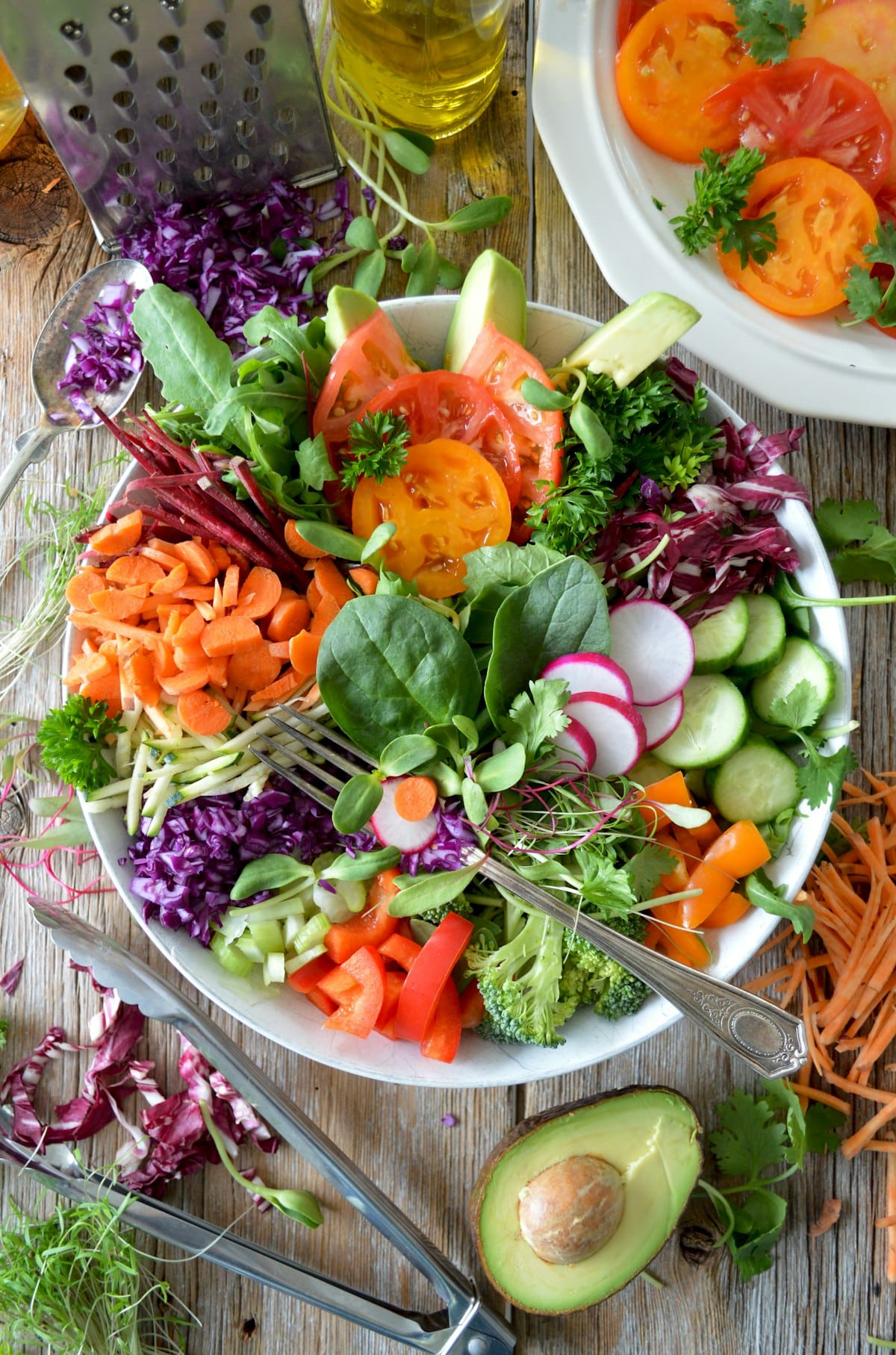
Gut Health Foods: The Complete Guide to Eating for a Stronger, Happier Gut
Gut health foods are not a wellness trend. They’re the most direct biological intervention available for the microbiome — the 38 trillion microbial cells that collectively determine your immune resilience, your mood, your metabolic function, and the integrity of the gut barrier that separates your gut lumen from your bloodstream. What you eat is literally what your gut bacteria eat. Feed the right species and they thrive, producing the short-chain fatty acids that fuel your gut wall and regulate your inflammation. Feed the wrong ones and dysbiosis deepens — producing the bloating, fatigue, brain fog, skin problems, and systemic inflammation that poor gut health generates across the whole body.
The research on these foods has accelerated dramatically in the last decade. The American Gut Project analysed microbiome samples from thousands of people and found that the single strongest predictor of gut microbiome diversity was the variety of plant foods consumed weekly — not any specific superfood, not probiotic supplements, not any particular dietary pattern. Variety. A 2021 Stanford trial found that daily fermented food consumption produced greater microbiome diversity improvements and larger reductions in systemic inflammatory markers than even a high-fibre diet. And multiple trials have identified specific foods — from bone broth to blueberries to extra-virgin olive oil — that produce measurable gut microbiome benefits through distinct, characterised biological mechanisms.
This guide gives you the complete picture. Not a list of generic superfoods, but a mechanistically grounded framework of the these foods that actually matter — why each one works, how to use it practically, how much you need, and what to remove to stop undermining the progress the right gut health foods produce.
The best the right foods also directly support thyroid hormone activation — approximately 20% of T4-to-T3 conversion occurs in the gut via bacterial deiodinase enzymes. Our guide on thyroid metabolism explains the gut-thyroid food connection in detail.
Why Gut Health Foods Work: The Mechanisms That Matter
Understanding why specific the right foods work — not just that they do — is what converts “I should eat more vegetables” into a genuinely implemented, mechanistically informed dietary strategy that produces lasting results.
Gut Health Foods and the Microbiome Diversity Principle
The primary goal of gut health foods is feeding microbiome diversity. A gut microbiome with high alpha-diversity — many different species in balanced proportions — is more metabolically flexible, more immunologically capable, more gut-barrier-protective, and more resilient to disruption than a low-diversity microbiome. Different these dietary choices provide different types of dietary fibre and different classes of polyphenols. These feed different bacterial species. A diet built around 30+ different plant foods weekly — the gut health food diversity target established by the American Gut Project — creates the ecological richness that high microbiome diversity requires. A diet built around the same five foods daily, however nutritious those five foods are, doesn’t.
Short-Chain Fatty Acids: What the Best Gut Health Foods Ultimately Produce
The most important biological output of these dietary choices is short-chain fatty acid (SCFA) production. When gut bacteria ferment the dietary fibre in gut health foods, they produce butyrate, propionate, and acetate. Butyrate is the primary fuel of colonocytes — the cells lining the large intestine.
Without adequate butyrate from dietary fibre fermentation, the gut barrier deteriorates, intestinal permeability increases, and the systemic inflammation that drives the distant consequences of poor gut health begins. Propionate reaches the liver and moderates glucose production. Acetate modulates appetite and peripheral energy metabolism. The specific these beneficial foods that produce the most butyrate — legumes, cooked-and-cooled starchy vegetables, oats — are the ones with the strongest case for being prioritised in a these beneficial foods strategy.
Gut Health Foods and the Gut Barrier
Some gut health foods don’t primarily feed the microbiome. They directly support the gut barrier — the single-cell-thick epithelial lining that controls what crosses from the gut lumen into systemic circulation. Bone broth provides glycine, glutamine, and gelatine specifically required for tight junction protein synthesis and epithelial cell renewal. Zinc-rich foods provide the mineral cofactor that tight junction proteins depend on for structural integrity. Vitamin A-rich foods support goblet cell function and the mucus layer that is the gut barrier’s first-line protection. These these microbiome foods address the leaky gut component of microbiome disruption — working at the structural level rather than the ecological one.
How Gut Health Foods Influence Your Hormonal Health
The best these microbiome foods do more than improve digestion. Through the gut-hormone axis, they directly influence thyroid function, oestrogen balance, insulin sensitivity, and the HPA axis stress response in ways that extend the impact of gut health foods well beyond digestive wellness.
Gut Health Foods for Thyroid Support
The gut microbiome converts approximately 20% of inactive T4 to active T3 through bacterial deiodinase enzymes. The foods that restore the bacterial diversity enabling this conversion — particularly the fermented foods and resistant starch sources that support Lactobacillus and butyrate-producing species — indirectly support thyroid hormone activation. For people with Hashimoto’s, the foods that reduce intestinal permeability (bone broth, zinc-rich foods, vitamin A sources) address the leaky gut that enables the molecular mimicry driving autoimmune thyroid destruction.
Gut Health Foods and the Estrobolome
The estrobolome — the gut bacterial genes encoding beta-glucuronidase enzymes that determine oestrogen recycling from bile — is directly shaped by the gut health foods you eat. A diverse plant-food diet with abundant fibre supports a healthy estrobolome that maintains appropriate oestrogen reabsorption. An ultra-processed food diet depletes the bacterial diversity that keeps estrobolome activity balanced — promoting the oestrogen dominance that produces heavy periods, worsening PMS, and fat redistribution. The best these nutrients for hormonal balance are therefore the same ones that build microbiome diversity: varied plants, legumes, fermented foods.
Gut Health Foods and Insulin Sensitivity
The relationship between these nutrients and insulin sensitivity runs through multiple pathways. SCFAs produced from gut health food fibre fermentation activate GPR41 and GPR43 receptors that improve insulin signalling. Gut-derived GLP-1 secretion — triggered by specific gut health foods including legumes, oats, and fermented products — directly improves postprandial glucose management. And the systemic LPS-driven insulin receptor impairment of a dysbiotic, permeable gut is specifically counteracted by this dietary approach that reduce LPS production (diverse prebiotics) and strengthen the gut barrier (bone broth, zinc foods). Eating for gut health is eating for metabolic health — they’re different expressions of the same dietary strategy.
The 9 Best Gut Health Foods and How to Use Them
Gut Health Food 1: Fermented Foods — The Most Powerful Gut Health Foods Available
Nothing delivers gut health food benefits as directly or as efficiently as fermented foods. The 2021 Stanford trial comparing high-fibre intake against fermented food intake found the fermented food group produced greater microbiome diversity increases and significantly larger reductions in nineteen systemic inflammatory markers. Fermented foods don’t just feed your existing bacteria. They deliver live bacterial species directly to the gut — and when delivered alongside the prebiotic fibre that allows them to establish, they produce lasting microbiome shifts rather than transient ones.
Kefir is the single most species-diverse fermented gut health food in most markets — containing 30+ bacterial and yeast species compared to the 2–7 of most yoghurts. One cup daily provides a concentrated bacterial delivery that no other gut health food replicates. Plain live-culture yoghurt (full-fat, unsweetened) comes second — widely available and consistently well-tolerated. Kimchi and sauerkraut provide Lactobacillus species alongside the prebiotic fibre of fermented cabbage, making them this dietary approach that address both sides of the microbiome restoration equation simultaneously. Tempeh provides probiotic benefit alongside complete plant protein, making it particularly valuable as a gut health food for plant-based eaters. Rotate between at least three different fermented gut health foods weekly for maximum species diversity.
Gut Health Food 2: Legumes — The Most Complete Gut Health Foods for the Microbiome
Lentils, chickpeas, black beans, kidney beans, white beans — this food group earns the title of the most microbiome-complete gut health food category available. The combination of resistant starch, soluble fibre, and galacto-oligosaccharides in legumes feeds multiple bacterial species simultaneously through distinct fermentation pathways. Resistant starch specifically fuels Faecalibacterium prausnitzii — the butyrate producer most consistently depleted in people with poor gut health and most associated with gut barrier integrity. Soluble fibre from legumes feeds Bifidobacterium species critical to immune regulation. And the galacto-oligosaccharides provide the prebiotic substrate for Lactobacillus species that maintain acidic gut conditions suppressing pathogenic overgrowth.
The resistant starch content of legumes increases further when cooked and cooled before eating — chilling overnight then reheating can roughly double the resistant starch fraction, turning a good gut health food into an outstanding one with a single preparation habit. Aim for at least one legume-containing meal daily. Rotate between lentils, chickpeas, and beans across the week — different legume species provide different fibre profiles feeding different bacterial populations.
Gut Health Food 3: Bone Broth — The Gut Barrier Repair Gut Health Food
Bone broth occupies a unique position in the gut health food landscape — it’s not primarily a prebiotic feeding the microbiome, but a gut barrier repair food delivering the specific amino acids that tight junction proteins and intestinal epithelial cells require for structural maintenance and repair. Glycine, glutamine, and proline in bone broth provide the building blocks for the collagen-rich gut wall matrix that supports barrier integrity. Gelatine supports the mucus layer that is the gut barrier’s first-line protection. And the glycosaminoglycans in properly made bone broth directly support the glycocalyx of the gut epithelial surface.
Two cups daily during active gut health restoration provides a therapeutic dose of these specific gut barrier nutrients. The distinction between commercially produced stocks (typically low or zero gelatine) and properly made bone broth (cloudy, gelling when chilled, rich in gelatine) matters enormously — the nutritional profile of commercially produced broth doesn’t replicate the gut health food benefit of the real thing. Making bone broth at home from grass-fed bones simmered for 12–24 hours is the most reliable method for achieving the gelatine concentration that produces the gut barrier benefit this gut health food is specifically valued for.
Gut Health Food 4: Oats and Barley — The Beta-Glucan Gut Health Foods
The beta-glucan content of oats and barley makes them these foods with a specifically Lactobacillus-targeted prebiotic mechanism — distinct from the resistant starch pathway of legumes and the inulin pathway of alliums. Beta-glucan is a viscous soluble fibre that slows gastric emptying, moderates postprandial glucose response, and specifically promotes Lactobacillus species that maintain the mildly acidic gut pH most associated with gut barrier health and pathogen suppression.
Steel-cut oats cooked slowly with the bran layer intact provide significantly more beta-glucan than instant oats — and more resistant starch than freshly cooked equivalents when prepared the night before and reheated. Whole grain barley is among the highest-beta-glucan foods available and an underused gut health food in most diets — it can replace rice at most meals for significantly greater microbiome benefit with similar culinary versatility. Adding a tablespoon of ground flaxseed to oats adds lignan fibre and omega-3 alpha-linolenic acid — turning one gut health food into three distinct fibre contributions in a single bowl.
Gut Health Food 5: Onions, Garlic, and Leeks — The Inulin Gut Health Foods
The allium family — onions, garlic, leeks, spring onions, shallots — are the most potent inulin-delivering these foods commonly available. Inulin and fructooligosaccharides (FOS) from alliums specifically feed Bifidobacterium species — the family most associated with gut immune regulation, gut barrier support, and the anti-inflammatory SCFA production that healthy gut microbiomes deliver. Bifidobacterium populations are among the most depleted in people with poor gut health — and inulin-rich gut health foods are the most direct dietary intervention for restoring them.
Garlic specifically has additional gut health food benefits beyond its prebiotic content: allicin and other sulphur compounds produce selective antimicrobial activity against pathogenic species while sparing beneficial ones — a rare dietary property that makes garlic one of the most multifaceted the right foods available. Raw garlic provides significantly more allicin than cooked, though both provide inulin prebiotic benefit. For people with IBS whose gut health symptoms are triggered by high-FODMAP foods, garlic-infused olive oil provides the flavour benefit of garlic without the inulin content that triggers IBS symptoms — because inulin doesn’t infuse into oil during cooking.
Gut Health Food 6: Blueberries and Mixed Berries — The Polyphenol Gut Health Foods
Berries earn their place on the the right foods list through a mechanism distinct from conventional fibre: polyphenol-based selective prebiotic activity. The anthocyanins in blueberries, blackberries, and blackcurrants specifically increase Lactobacillus and Bifidobacterium populations while producing compounds that suppress Clostridium and pathogenic Bacteroides species. This selective activity makes berries gut health foods that reshape microbiome composition rather than simply providing fermentable substrate — a distinct and clinically important mechanism.
Research indexed by the National Institutes of Health documents that 150–200g of blueberries daily for six weeks significantly improves gut microbiome composition markers in overweight adults — without any other dietary changes. This is a specific, peer-reviewed gut health food intervention, not a vague “superfoods” claim. Frozen blueberries are nutritionally equivalent to fresh and considerably more practical for daily gut health food use at therapeutic volumes. Mixed berries — combining blueberries, strawberries, raspberries, and blackberries — provide a broader anthocyanin spectrum that feeds a wider range of bacterial species than any single berry variety.
Gut Health Food 7: Extra-Virgin Olive Oil — The Anti-Inflammatory Gut Health Food
Extra-virgin olive oil is one of the most studied these dietary choices in nutritional epidemiology — and the evidence for its microbiome and gut barrier effects is among the most robust available. Oleocanthal polyphenols directly inhibit the same NF-kB inflammatory signalling that underlies gut wall inflammation and barrier compromise — without the prostaglandin inhibition side effect that makes NSAIDs gut-barrier-damaging. Oleuropein selectively promotes Lactobacillus and Bifidobacterium species while producing compounds that suppress harmful gram-negative bacteria. And oleic acid in the cell membrane context improves the membrane fluidity of gut epithelial cells that determines tight junction flexibility and barrier resilience.
Three to four tablespoons daily is the dose associated with meaningful microbiome benefit in clinical research. This is not a drizzle — it’s a generous cooking and dressing fat. Replacing all other cooking oils with extra-virgin olive oil, drizzling it over vegetables and legumes, and using it as the primary dressing fat turns one of the best these dietary choices available into a consistent daily presence rather than an occasional addition. The polyphenol content varies significantly by variety and freshness — look for cold-pressed, early-harvest olive oil with a peppery, slightly bitter finish (indicating high oleocanthal content) rather than mild, buttery olive oils that have lost most of their polyphenol content.
Gut Health Food 8: Walnuts — The Most Studied Nut Gut Health Food
Not all nuts are equal as gut health foods. Walnuts have been specifically studied and specifically shown to produce unique microbiome benefits not replicated by other nut varieties. A 2020 randomised controlled trial found that 43g of walnuts daily for eight weeks significantly increased Lachnospiraceae and Ruminococcaceae abundance — the butyrate-producing bacterial families most directly associated with gut barrier integrity and reduced systemic inflammation — alongside significant reductions in LDL cholesterol and bile acid secondary metabolites that damage gut epithelial cells.
The combination of omega-3 alpha-linolenic acid, ellagitannin polyphenols, and gamma-tocopherol in walnuts produces this specific microbiome effect through the combined prebiotic and anti-inflammatory mechanisms these compounds provide. A small handful (roughly 28–43g) daily is sufficient for the gut health food benefit documented in clinical research. Walnuts stored unshelled or in sealed containers in the fridge retain polyphenol content significantly longer than those left in open bowls — relevant because ellagitannin polyphenols oxidise quickly at room temperature.
Gut Health Food 9: Dark Chocolate — The Gut Health Food That Surprises Everyone
Dark chocolate at 85% cacao content or above is one of the most evidence-based these beneficial foods for polyphenol-mediated microbiome improvement — and one of the most welcome additions to a gut health food protocol. The flavanol polyphenols in high-cacao dark chocolate specifically increase Lactobacillus and Bifidobacterium populations while suppressing Clostridium species associated with gut inflammation. They act as a selective prebiotic through the microbial biotransformation of flavanols into metabolites that feed beneficial species directly.
Twenty to thirty grams daily (roughly two to three squares of an 85%+ bar) provides meaningful polyphenol concentrations without the sugar load of lower-cacao alternatives that would undermine the gut health food benefit through dysbiotic sugar feeding.
The cacao percentage matters significantly — a 70% bar has roughly half the flavanol content of a 90% bar, and milk chocolate has negligible gut health food prebiotic benefit because the milk proteins bind the flavanols before they reach the microbiome. Quality dark chocolate is genuinely one of the these beneficial foods worth spending a little more on — the flavanol content varies enormously by processing method, and hot-process chocolates lose most of the polyphenols that make dark chocolate a legitimate gut health food.
How to Build a Gut Health Foods Meal Plan That Actually Works
Individual gut health foods produce individual microbiome benefits. A meal plan built around rotating these microbiome foods produces the synergistic, diverse substrate supply that drives the broadest microbiome diversity improvements. Here’s how to structure daily eating around these microbiome foods practically.
Gut Health Foods for Breakfast
Breakfast built around gut health foods sets the tone for the day’s microbiome substrate supply. Steel-cut oats with ground flaxseed, frozen blueberries, a tablespoon of walnut pieces, and a drizzle of honey — covering beta-glucan, lignan fibre, anthocyanin polyphenols, ellagitannin polyphenols, and omega-3 ALA from four distinct gut health food sources at a single meal. Or a full-fat plain kefir with mixed berries and a tablespoon of nut butter — covering probiotic bacteria delivery, anthocyanins, and prebiotic fat in one bowl.
What doesn’t count as a gut health food breakfast: commercial breakfast cereal (even whole grain varieties most often lack meaningful resistant starch or prebiotic content, and their emulsifier content actively disrupts the gut barrier); flavoured yoghurts with fruit pieces (pasteurised, no live cultures, high sugar content that feeds dysbiotic species); or a piece of toast with spread (insufficient fibre diversity, no prebiotic content, no live bacteria). The gap between a the foods breakfast and a standard modern breakfast is one of the most meaningful daily improvements available.
Gut Health Foods for Lunch
Lunch built around the foods anchors the midday microbiome substrate supply. A large salad built on five different vegetables with a generous olive oil and apple cider vinegar dressing, topped with half a tin of sardines or a portion of tofu, with a serving of chickpeas mixed through — covering diverse prebiotic fibre, polyphenol-rich olive oil, omega-3 EPA/DHA or plant protein, and legume-source resistant starch. Or a lentil soup cooked with onion, garlic, and leeks — covering three distinct inulin gut health foods alongside the resistant starch of the lentils in a single dish.
The diversity principle applies at lunch: aim for five different vegetables rather than three of the same. Red cabbage, cucumber, beetroot, cherry tomatoes, and watercress provides different polyphenol and fibre classes that a bowl of the same mixed leaves doesn’t. The variety genuinely matters for the breadth of bacterial species fed at each meal.
Gut Health Foods for Dinner
Dinner is the opportunity to introduce the these nutrients that require more cooking time — bone broth as a base for soups and stews, slow-cooked legumes with allium vegetables, roasted vegetables with olive oil, and the cooked-and-cooled resistant starch sources that benefit from advance preparation. A bowl of bone broth-based vegetable and lentil soup provides three gut health food categories in one dish. Salmon with roasted broccoli and cauliflower in olive oil, served alongside cold potato salad (cooked and cooled overnight for maximum resistant starch) covers omega-3 anti-inflammatory gut health food benefit, cruciferous sulforaphane for microbiome support, and optimised resistant starch.
Gut Health Foods as Snacks
The snacks that work as these nutrients: a small handful of walnuts (ellagitannin polyphenols, omega-3 ALA); two or three squares of 85%+ dark chocolate (flavanol polyphenols); a tablespoon of natural almond or walnut butter with celery (prebiotic fibre from the celery, polyphenol fat from the nut butter); or a small portion of plain kefir or yoghurt (live bacteria delivery between meals). The snacks that aren’t gut health foods, whatever their marketing suggests: commercial protein bars, rice cakes, flavoured nut mixes with glucose syrup coatings, and dried fruit in large quantities without protein or fat to moderate glucose absorption.
Gut Health Foods on a Plant-Based Diet
Plant-based diets are inherently rich in the prebiotic this dietary approach that support microbiome diversity — the naturally higher plant food variety, fibre intake, and polyphenol density of well-constructed plant-based diets creates the ecological richness that gut microbiome diversity requires. The areas requiring specific attention are the gut barrier repair this dietary approach most concentrated in animal products, and the omega-3 sources most directly relevant for the gut mucosal anti-inflammatory benefit.
Bone broth is the most directly gut-barrier-specific animal-source gut health food — its glycine, glutamine, and gelatine content isn’t replicated by any plant food. Plant-based eaters addressing gut barrier health specifically need L-glutamine supplementation at 5 grams twice daily (intestinal epithelial fuel), glycine at 3–5 grams daily (tight junction protein component), and vitamin A from beta-carotene-rich plant sources (sweet potato, carrots, leafy greens) for goblet cell function and mucus layer integrity — alongside the plant-based gut health foods that address the prebiotic and microbiome aspects of gut health.
Algae-based EPA and DHA at 2–3 grams daily provides the omega-3 fatty acids most relevant for gut mucosal anti-inflammatory support — absent from plant these foods in their active form. And zinc-rich plant these foods — pumpkin seeds, hemp seeds, lentils — provide the gut barrier repair mineral cofactor, though at reduced bioavailability compared to animal sources due to phytate binding. Zinc bisglycinate supplementation at 15–20 mg daily ensures the tight junction repair mineral is available at therapeutic concentrations regardless of dietary pattern.
7 Mistakes People Make With Gut Health Foods
Mistake 1: Eating the Same Gut Health Foods Every Day
Blueberries every morning, oats at breakfast, one type of yoghurt daily — these are all genuine gut health foods. But eating the same the right foods repeatedly without variety feeds the same bacterial species repeatedly while neglecting others, producing a narrower microbiome than a more varied gut health food rotation would. Microbiome diversity is driven by dietary diversity. Fix: Rotate your the right foods within categories. Alternate between kefir and yoghurt and kimchi for fermented foods. Rotate between lentils, chickpeas, and black beans for legumes. Use different berry varieties across the week. The variety within gut health food categories matters as much as including those categories in the first place.
Mistake 2: Eating Gut Health Foods Alongside Their Known Disruptors
Eating kefir and sauerkraut daily while continuing to consume emulsifier-containing ultra-processed foods is like filling a bath with the drain open. The emulsifiers in commercial bread, packaged snacks, and flavoured dairy products specifically disrupt the mucus layer and microbiome that the gut health foods you’re adding are trying to restore. Fix: Remove ultra-processed foods first — or simultaneously with gut health food addition. The microbiome benefit of these dietary choices is significantly amplified when the dietary forces disrupting the microbiome are removed at the same time.
Mistake 3: Not Including Any Gut Health Foods for the Gut Barrier
Most gut health food lists focus entirely on prebiotic fibre and probiotic bacteria for microbiome restoration. They neglect the gut barrier repair these dietary choices — bone broth, zinc-rich foods, vitamin A sources — that address the leaky gut component of poor gut health. A microbiome restoration approach without gut barrier repair produces incomplete results when the underlying increased intestinal permeability driving systemic inflammation isn’t addressed alongside the dysbiosis. Fix: Include gut health foods from both categories: microbiome-feeding these beneficial foods (legumes, fermented foods, varied vegetables) and gut barrier-repairing these beneficial foods (bone broth, pumpkin seeds, sweet potato). The full recovery requires both approaches working simultaneously.
Mistake 4: Buying Fermented Gut Health Foods That Aren’t Actually Fermented
Most commercial yoghurts, sauerkrauts, and kimchi products are pasteurised after fermentation — killing the live bacteria that make these gut health foods valuable. A jar of supermarket sauerkraut that has been heat-treated provides prebiotic fibre from the cabbage but zero live bacterial delivery. Identifying the actual these microbiome foods from the merely fibre-providing imposters requires checking labels. Fix: Look for “live cultures,” “unpasteurised,” or “raw” on fermented gut health food labels. Refrigerated sauerkraut and kimchi are far more likely to be live than shelf-stable versions. For yoghurt, look for “live and active cultures” or specific bacterial strain names (Lactobacillus bulgaricus, Streptococcus thermophilus) on the ingredients list.
Mistake 5: Introducing Too Many Gut Health Foods Too Quickly
Adding Jerusalem artichokes, large quantities of legumes, high-dose inulin supplements, and multiple servings of fermented foods simultaneously to a previously dysbiotic gut produces severe bloating and gas — not because these these microbiome foods are wrong, but because the dysbiotic microbiome ferments them differently from a healthy one, producing excess gas during the transition. Fix: Add new gut health foods gradually — one new high-fibre item every three to four days, starting with the most gut-tolerant options (kefir, bone broth, blueberries) before moving to the more fermentation-intensive ones (Jerusalem artichokes, large legume servings). The two-to-four-week adaptation period produces comfortable fermentation once the microbiome has shifted toward the health-promoting species that handle these the foods efficiently.
Mistake 6: Treating Gut Health Foods as Sufficient Without Addressing Lifestyle
The foods are the most impactful single intervention for gut microbiome health. But chronic sleep disruption, unmanaged stress, and physical inactivity all independently compromise gut health through circadian microbiome rhythm disruption, cortisol-driven gut barrier damage, and reduced butyrate-producing species abundance — regardless of how good the gut health food intake is. Fix: Build gut health foods into a broader gut health lifestyle that also addresses sleep timing, stress management, and regular physical activity. The gut health food benefit is significantly amplified when the biological forces disrupting gut health through non-dietary pathways are simultaneously addressed.
Mistake 7: Abandoning Gut Health Foods When Initial Benefits Seem to Plateau
After the initial two-to-four-week period of rapid gut health improvement — when bloating reduces, stool quality improves, and energy picks up — some people find that progress appears to slow. This plateau feels like the these nutrients have stopped working.
In reality, the deeper microbiome restoration — species diversity rebuilding, gut barrier remodelling, systemic inflammatory marker reduction — is occurring more slowly and requires continued consistent gut health food intake over months rather than weeks to fully express. Fix: Maintain the gut health food protocol for a minimum of three months before assessing full outcomes. Measure progress through the systemic markers that respond more slowly — skin condition, immune resilience, mood stability — rather than expecting ongoing dramatic digestive improvements after the initial period of rapid symptom change.
When Gut Health Foods Start Working
Days 1–7: The Gut Health Foods Begin Shifting the Microbiome
The gut microbiome responds to these nutrients within 24–48 hours of dietary change — making it one of the fastest-responding biological systems available to influence through diet. Within the first week of introducing fermented gut health foods and diverse plant fibre, stool quality typically improves, bloating patterns begin shifting, and the initial microbiome competition between introduced probiotic species and established dysbiotic residents produces the first visible signs that the ecology is changing. Energy through the day may begin improving as SCFA production starts shifting with the microbiome.
Weeks 2–6: Gut Health Foods Produce Measurable Changes
The most dramatic subjective improvement window for this dietary approach is typically weeks two to six. Bloating reduces significantly as dysbiotic gas-producing species are outcompeted by the Bifidobacterium and butyrate-producing species that the prebiotic this dietary approach are now supporting. Post-meal cognitive clarity improves as gut-brain axis signalling normalises with the microbiome changes. Skin conditions that have a gut-inflammatory driver begin responding — this window often surprises people who didn’t connect their skin symptoms to gut health foods. Sleep quality typically improves as gut-derived serotonin and circadian microbiome rhythm regulation restore.
Weeks 6–12: Gut Health Foods Produce Systemic Results
The systemic results of sustained gut health food intake accumulate over weeks six to twelve — immune resilience improves as gut immune education function restores with microbiome diversity rebuilding; hormonal improvements begin appearing as estrobolome function normalises; and the gut barrier repair these foods (bone broth, zinc-rich foods) have had enough time to produce the tight junction remodelling that reduces the systemic LPS-driven inflammation that was driving distant symptoms. For comprehensive tracking of the laboratory markers that reflect gut health food recovery at the biological level, our guide on metabolic health markers and what they reveal covers every relevant measure.
Making Gut Health Foods a Permanent Part of How You Eat
The these foods in this guide aren’t a temporary therapeutic protocol. They’re the dietary inputs that a healthy gut requires consistently to maintain the microbiome diversity and gut barrier integrity that good health depends on. The challenge isn’t the knowledge. It’s building the habits that make gut health foods the default rather than the exception.
Default Changes Beat Willpower Every Time
The most sustainable gut health food changes are the ones that become defaults — where the gut health food is what you reach for automatically rather than what you choose deliberately. Replacing cooking oil with extra-virgin olive oil is a default change: once the sunflower oil is gone and the olive oil is on the counter, there’s no ongoing choice required. Keeping kefir at eye level in the fridge rather than at the back makes it the first thing you reach for at breakfast. Cooking double batches of legumes on weekends and refrigerating them removes the barrier to having the right foods at weekday lunches that would otherwise require fresh cooking time.
The Gut Health Foods Feedback Loop
One of the most reliably motivating aspects of eating the right the right foods consistently is how quickly they begin producing the subjective improvements that reinforce continued use. When the afternoon brain fog that had become normal starts lifting at week three. When the skin that had been chronically reactive starts settling at week six. When the bloating that had been a constant background feature of daily life reduces to occasional and predictable rather than chronic and mysterious. These improvements make the gut health foods that produced them feel worth the habit change — converting the compliance motivation of “I should eat this” into the preference motivation of “I feel better when I eat this.”
Gut Health Foods: 15 Questions Answered Directly
- Q1. What are the best these dietary choices?
-
The these dietary choices with the most specific, mechanistically understood, and clinically documented microbiome and gut barrier benefits are: fermented foods (kefir, yoghurt, kimchi, sauerkraut, tempeh) for live bacterial delivery and microbiome restoration; legumes (lentils, chickpeas, black beans) for resistant starch and diverse prebiotic fibre; bone broth for gut barrier repair through glycine, glutamine, and gelatine; oats and barley for beta-glucan Lactobacillus promotion; alliums (onions, garlic, leeks) for Bifidobacterium-targeting inulin; blueberries and mixed berries for anthocyanin polyphenol selective prebiotic activity; extra-virgin olive oil for anti-inflammatory gut barrier support and microbiome polyphenol prebiotic; walnuts for ellagitannin-specific butyrate-producer promotion; and dark chocolate (85%+) for flavanol polyphenol microbiome reshaping.
These gut health foods work through distinct, complementary mechanisms — which is why including all nine produces broader results than focusing on any one.
- Q2. How quickly do these beneficial foods work?
-
These beneficial foods begin producing microbiome changes within 24–48 hours of dietary change — one of the fastest biological responses to nutrition available. The most noticeable early improvements from gut health foods are in stool quality and digestive comfort (typically within one to two weeks), followed by energy and cognitive improvements (two to four weeks), then skin and immune improvements (four to eight weeks), and finally the deeper systemic changes in hormonal balance, systemic inflammation, and autoimmune markers (three to six months of consistent gut health food intake). The speed of improvement depends on the severity of the underlying gut disruption — mild dysbiosis responds faster than longstanding gut barrier compromise.
- Q3. Are fermented foods the most important these microbiome foods?
-
Fermented these microbiome foods are arguably the most specifically impactful single category — because they deliver live bacterial species directly to the gut in a way that no other dietary component replicates. The 2021 Stanford trial established that fermented food intake produced greater microbiome diversity improvements than high-fibre intake alone. However, fermented gut health foods work best when accompanied by the prebiotic fibre the foods (legumes, alliums, oats, berries) that provide the substrate for the introduced bacteria to establish and compete effectively with dysbiotic species. Fermented the foods without adequate prebiotic fibre produce transient benefits — the introduced bacteria pass through without establishing because the dietary environment doesn’t support their growth.
- Q4. Can gut health foods help with IBS?
-
Yes — with important specificity about which these nutrients are appropriate during which phase of IBS management. During an IBS flare or during the low-FODMAP elimination phase, the high-FODMAP these nutrients (garlic, onions, legumes in large quantities) temporarily need to be minimised — because the fermentable carbohydrates they contain trigger the IBS symptom flare in a viscerally hypersensitive gut. During the reintroduction and maintenance phases, these gut health foods are systematically reintroduced based on individual tolerance. Fermented this dietary approach (kefir, yoghurt, kimchi) and polyphenol-rich this dietary approach (blueberries, olive oil, dark chocolate) are generally well-tolerated across IBS subtypes and provide meaningful microbiome benefits without the FODMAP-related fermentation that triggers IBS flares.
- Q5. Are gut health foods different for people with leaky gut?
-
People with significant leaky gut require both the microbiome-feeding these foods (legumes, fermented foods, diverse plants) and the gut barrier repair these foods (bone broth, zinc-rich foods, vitamin A sources, omega-3-rich fish) that most gut health food lists don’t distinguish between. The gut barrier repair gut health foods address the structural component of leaky gut — tight junction integrity, epithelial cell renewal, mucus layer maintenance — that microbiome-focused the right foods alone don’t fully address. For plant-based eaters, glutamine supplementation, glycine, vitamin A from carotenoid-rich vegetables, and algae-based EPA and DHA replace the barrier-repair the right foods most concentrated in animal products.
- Q6. Is yoghurt a good gut health food?
-
Full-fat, plain, live-culture yoghurt is a genuine gut health food — providing Lactobacillus bulgaricus and Streptococcus thermophilus at minimum, with many varieties providing additional Bifidobacterium species.
The important caveats: flavoured yoghurts with fruit preparations and added sugar are not gut health foods — the sugar content feeds dysbiotic species that undermine the probiotic benefit; low-fat yoghurts that have been heat-treated after fermentation have no live bacteria and don’t qualify as these dietary choices beyond their calcium and protein content; and yoghurt provides a narrower species range than kefir, making kefir the more diverse gut health food when both are available. Plain full-fat live yoghurt is one of the more practical and widely available these dietary choices — it works best as a daily staple rather than a therapeutic replacement for more potent fermented gut health foods.
- Q7. What these beneficial foods help with bloating?
-
Bloating from poor gut health responds to two categories of gut health food intervention. For bloating driven by dysbiotic fermentation producing excess gas, the these beneficial foods that most directly address it are fermented foods (introducing competitive beneficial species) and gradually increasing prebiotic fibre gut health foods (shifting the fermentation ecosystem toward more efficient species over four to six weeks).
For bloating driven by gut barrier inflammation and visceral hypersensitivity, the these microbiome foods most directly relevant are bone broth (gut barrier repair), ginger (reduces gut wall inflammation and improves motility), and peppermint (smooth muscle relaxant for gut spasm). Introducing both categories of these microbiome foods simultaneously provides the most comprehensive approach to bloating that has a gut health rather than purely mechanical origin.
- Q8. Are there gut health foods specifically for mental health?
-
The the foods with the most specific gut-brain axis benefits are fermented foods (supporting serotonin precursor production through microbiome neuroactive compound pathways); omega-3-rich foods including fatty fish and walnuts (reducing neuroinflammation from LPS translocation through anti-inflammatory EPA and DHA); dark chocolate at 85%+ (increasing Lactobacillus and Bifidobacterium that support GABA and serotonin production); and diverse prebiotic the foods that support the butyrate production that maintains hippocampal neuroplasticity and BDNF. These gut health foods work through the gut-brain axis rather than through direct neurological mechanisms — making their mental health benefits secondary to their gut health benefits but genuinely clinically meaningful for people whose mood symptoms have a gut-microbiome driver.
- Q9. How many servings of fermented these nutrients do you need daily?
-
The most relevant clinical guidance comes from the 2021 Stanford trial, which used approximately six servings of fermented these nutrients daily across participants — producing the dramatic microbiome diversity and inflammatory marker improvements documented. Practically, most people don’t need to hit six servings daily to see meaningful benefit.
One to two servings daily — a cup of kefir or yoghurt plus a serving of kimchi or sauerkraut — provides consistent bacterial delivery across two meals. Three to four servings across all meals — adding tempeh or miso to lunch and dinner alongside the breakfast fermented gut health food — accelerates microbiome restoration more significantly. The key principle is consistency over volume: one serving daily for six weeks outperforms six servings for one week.
- Q10. What gut health foods should be avoided?
-
The foods most directly damaging to the gut health that this dietary approach are trying to build: ultra-processed foods containing emulsifiers (carboxymethylcellulose, polysorbate-80, carrageenan) — these disrupt the mucus layer and microbiome composition in ways that specifically counteract gut health food benefits; refined sugars and high-fructose sweeteners — selectively feeding dysbiotic species and depleting the Lactobacillus and Bifidobacterium that this dietary approach support; alcohol — directly toxic to gut epithelial cells and reducing the Lactobacillus species most beneficial for gut health within days of consumption; artificial sweeteners — altering microbiome composition toward species associated with glucose intolerance; and commercial products labelled as “healthy” or “gut-friendly” that contain these ingredients despite their wellness marketing.
- Q11. Are gut health foods different for men and women?
-
The core these foods that benefit gut microbiome diversity and gut barrier integrity are the same for men and women. The hormonal consequences of gut health food choices differ between sexes. For women, these foods that support the estrobolome — diverse prebiotic fibre sources — are specifically important for oestrogen balance and the hormonal symptoms driven by estrobolome disruption. For men, gut health foods that reduce the visceral adiposity promoting testosterone-to-oestrogen aromatase conversion — legumes and diverse low-glycaemic carbohydrates replacing refined carbohydrates — address the specific hormonal gut-health connection most relevant to male metabolic health. The the right foods list in this guide is appropriate for both sexes — the emphasis within it may differ based on individual health priorities.
- Q12. Do the right foods interact with medications?
-
Most gut health foods have no clinically significant interactions with standard medications. The exceptions worth noting: grapefruit contains furanocoumarins that inhibit CYP3A4 — the enzyme metabolising many pharmaceuticals — and should be discussed with prescribing doctors if consumed regularly alongside those medications. High-dose fermented foods that significantly change gut transit time may affect the absorption timing of medications with narrow therapeutic windows. And for people on anticoagulants like warfarin, significant increases in vitamin K-rich fermented these dietary choices (natto contains extremely high vitamin K2) should be discussed with their prescribing doctor. For the vast majority of people taking standard medications, these dietary choices present no meaningful interaction concern.
- Q13. Can children eat the same gut health foods as adults?
-
Yes — with age-appropriate portion sizes. Children benefit from the same these beneficial foods as adults, and the gut microbiome health established in childhood has documented effects on immune resilience, allergy development, and metabolic health that persist into adulthood. Fermented these beneficial foods including yoghurt and kefir are appropriate from early childhood.
Legumes as a protein and prebiotic fibre source are appropriate from weaning age. Berries, oats, and olive oil are all appropriate gut health foods for children at normal serving sizes. The primary gut health food consideration unique to children is ensuring adequate caloric density alongside the gut health food diversity — high-fibre these microbiome foods can reduce caloric intake if they displace more calorie-dense foods in children with high energy needs.
- Q14. How do I know if the these microbiome foods I’m eating are working?
-
The most accessible indicators that gut health foods are producing the intended effects: more regular, well-formed bowel movements (Bristol Stool Type 3–4 consistently); reduced bloating and digestive discomfort after meals that were previously problematic; expanded food tolerance — foods that previously triggered reactions becoming manageable; improved energy stability through the day; better sleep quality; skin conditions improving if they were gut-inflammation-driven; and reduced frequency of minor illness with faster recovery when illness occurs. Laboratory confirmation — faecal calprotectin reduction (gut inflammation falling), hsCRP reduction (systemic inflammation falling), and vitamin D and nutrient status improving — provides objective evidence of the biological changes occurring alongside the subjective gut health food improvements.
- Q15. What is the single most important gut health food to add first?
-
If choosing only one gut health food to add first, kefir is the strongest candidate — because it directly addresses the dysbiosis underlying most gut health problems through live bacterial delivery, it’s widely available, it’s well-tolerated by most people, and its 30+ bacterial and yeast species provide broader species coverage than any single probiotic supplement available. One cup of full-fat plain kefir daily at breakfast — taken consistently for six weeks — produces measurable microbiome diversity improvements in most people that provide the biological foundation for subsequent gut health food additions to build on. If kefir isn’t available or tolerated, live-culture plain yoghurt is the most accessible substitute gut health food for the same first-step purpose.
Gut Health Foods: Myths Worth Clearing Up
| MYTH | FACT |
|---|---|
| You need expensive supplements to support gut health — food alone isn’t enough. | The the foods in this guide produce microbiome and gut barrier improvements that most probiotic supplements cannot replicate — because they provide ecological diversity, specific prebiotic substrates, live bacteria in food matrix contexts, and anti-inflammatory compounds through mechanisms that no supplement combines. Supplements accelerate specific aspects of gut health restoration and fill specific gaps — they don’t substitute for the dietary ecosystem that gut health fundamentally requires. |
| Yoghurt is the only fermented gut health food most people need. | Yoghurt provides 2–7 bacterial species — a fraction of the 30+ species kefir provides, and a narrow contribution to the gut health food diversity that the microbiome requires. Rotating between kefir, kimchi, sauerkraut, tempeh, and miso across the week provides species diversity that single-source yoghurt consumption cannot match. |
| The foods only matter if you have digestive problems. | Gut health foods influence immunity, mental health, metabolic function, hormonal balance, skin health, and cognitive performance in everyone. The microbiome health that these nutrients maintain is relevant to system-wide health outcomes, not only digestive symptoms. The absence of digestive complaints is not evidence that these nutrients aren’t needed. |
| Dark chocolate isn’t really a health food — it’s just people looking for excuses to eat chocolate. | High-cacao dark chocolate at 85%+ is a genuine gut health food with documented, peer-reviewed evidence for selective Lactobacillus and Bifidobacterium promotion through flavanol polyphenol prebiotic mechanisms. The clinical evidence is specific to high-cacao varieties — not to milk chocolate or lower-cacao alternatives. It’s not wishful thinking. It’s a well-characterised dietary polyphenol mechanism. |
| Gut health foods need to be eaten in large quantities to make a difference. | The consistency of gut health food intake matters far more than occasional large quantities. One cup of kefir daily for twelve weeks produces more meaningful microbiome diversity improvement than six cups daily for two weeks. The gut microbiome responds to the pattern of regular dietary input — building and maintaining diverse species populations through consistent substrate supply rather than bolus quantities. |
| Bone broth is just a wellness trend with no real evidence behind it. | Bone broth is a traditional food rather than a modern invention, and its gut health food benefits rest on the specific amino acid content (glycine, glutamine, proline, hydroxyproline) that directly supports gut barrier repair. The mechanistic evidence for these amino acids in gut epithelial function and tight junction integrity is well established. Bone broth is not equivalent to commercial stocks — it requires long simmering of collagen-rich bones to produce the gelatine concentration that distinguishes it as a genuine gut barrier repair gut health food. |
Gut Health Foods Are the Foundation — Everything Else Builds on Them
The supplement industry generates billions in revenue on the promise of gut health restoration through capsules. The research tells a different story: the most impactful interventions for gut microbiome diversity and gut barrier integrity are dietary. Gut health foods — fermented, fibre-diverse, polyphenol-rich, and barrier-repair-targeted — produce microbiome and gut health outcomes that no supplement protocol independently replicates.
Thirty different plant foods weekly. Daily fermented foods rotated between kefir, yoghurt, kimchi, and sauerkraut. Legumes as the default carbohydrate. Bone broth for gut barrier repair. Walnuts, blueberries, dark chocolate, and olive oil daily. These aren’t aspirational superfoods on a Pinterest board. They’re specific this dietary approach with specific biological mechanisms producing specific, measurable outcomes in the microbiome and gut barrier that determine how the gut influences every system in the body.
For a comprehensive, personalised programme that takes the this dietary approach in this guide and builds them into a structured recovery plan — with step-by-step nutrition guidance, targeted supplementation protocols, and a clear roadmap through each stage of gut restoration — explore the resource below:
✅ Start Your Proven Gut Health and Digestive Recovery Programme Today
Every meal is a choice about gut health foods. The right ones, consistently, change the biology. Start with one today.
Further Reading on MetabolismFixerPro: