
Diabetes Diet: The Real Guide to Eating for Blood Sugar Control
Most people with diabetes have been given dietary advice that goes something like this: avoid sugar, reduce carbohydrates, eat more vegetables, watch your portions. It’s not wrong exactly — but it’s vague enough to be practically useless. A this dietary approach that actually moves HbA1c, reduces medication requirements, and addresses the metabolic root of the condition isn’t built on vague principles. It’s built on a clear understanding of which specific foods spike blood glucose, which foods stabilise it, and how to structure every meal to get the best possible metabolic outcome from whatever you’re eating.
Here’s what the research on this dietary approach consistently shows: the foods you choose and the way you eat them matter more than calorie counting. Two meals with identical caloric content can produce completely different postprandial glucose responses — one spiking blood glucose to 12 mmol/L and crashing it two hours later, the other producing a modest 7 mmol/L rise that returns to baseline within 90 minutes. That difference, repeated at every meal for years, is the difference between progressive metabolic damage and genuine diabetes management.
This isn’t just about type 2 diabetes management, either. People with type 1 diabetes use diabetes diet principles to reduce the insulin doses required for glucose management. People with prediabetes use them to prevent type 2 diabetes from developing. And people with insulin resistance — the precondition that underlies most type 2 diabetes — use them to reverse that insulin resistance before it progresses further.
This guide gives you the practical, mechanistically grounded this eating framework framework that works — not the generic advice, but the specific food choices, meal structures, and daily habits that produce the blood glucose results that matter.
The most effective this eating framework works best alongside an understanding of the hormonal systems that interact with blood glucose — particularly thyroid hormones, which directly regulate cellular glucose uptake. If fatigue, weight gain, and cold intolerance are prominent alongside your blood glucose concerns, read our guide on thyroid metabolism before assuming diet alone is the only factor at play.
Why What You Eat Affects Your Blood Sugar the Way It Does
Most dietary advice for diabetes treats food as a list of things to eat and avoid without explaining the mechanism. Understanding the mechanism changes everything — it’s what converts compliance into genuine competence, because you understand why each choice matters rather than just following rules.
The Glycaemic Response: What Actually Happens After You Eat
When you eat carbohydrate-containing food, digestive enzymes break down the starch and sugars into glucose, which enters the bloodstream from the small intestine. The rate at which this happens — and therefore the height and duration of the resulting blood glucose rise — depends on the structure of the food you’ve eaten.
Refined carbohydrates (white bread, white rice, sugar) have had their fibre and protein stripped away, leaving starch that digests almost immediately. The glucose from a slice of white bread can enter your bloodstream within 15–20 minutes of eating it. The glucose from a bowl of lentils, where the starch is encased within intact cell walls alongside fibre and protein, takes 45–90 minutes or more to absorb — and at a much lower peak concentration.
This is the glycaemic index concept made practical. For a diabetes diet, it’s not just about which foods have a lower glycaemic index. It’s about understanding that the structure, composition, and preparation of food all affect how quickly glucose arrives in your bloodstream — and that slowing that arrival is the single most important dietary objective for controlling the postprandial glucose spikes that drive HbA1c elevation, microvascular damage, and the daily symptoms of poorly managed diabetes.
The Protein Effect: More Useful Than Most People Know
Protein produces a minimal blood glucose response relative to carbohydrates — but it does significantly more than simply not raising blood glucose. Protein at a meal stimulates glucagon secretion (which moderates insulin’s glucose-lowering effects and prevents reactive hypoglycaemia), triggers GLP-1 and GIP (incretin hormones that improve the efficiency of postprandial glucose management), and when eaten first in a meal, measurably reduces the glycaemic response of carbohydrates eaten later. The research on this is consistent: eating protein before carbohydrates at a meal reduces the postprandial glucose peak of that meal by 30–40%.
This protein-first principle is one of the most practically useful the dietary plan strategies because it requires no new foods, no complicated food preparation, and no calorie counting. Just eat the protein component of your meal before the carbohydrate component. Done consistently, it produces a meaningful cumulative reduction in daily glucose exposure and HbA1c improvement over months.
Why Fat Belongs in a Diabetes Diet
The long-standing advice to reduce dietary fat in diabetes management was based on the assumption that fat contributes to cardiovascular risk and weight gain. The research tells a more nuanced story. Dietary fat slows gastric emptying — which directly slows the rate at which carbohydrates from the same meal reach the small intestine and enter the bloodstream as glucose.
A meal containing quality fat alongside carbohydrates produces a significantly lower and more sustained postprandial glucose response than the same carbohydrates eaten without fat. Extra-virgin olive oil specifically has been shown to reduce postprandial glucose response and improve insulin sensitivity through its oleocanthal and oleic acid content. For the the dietary plan, the goal isn’t fat restriction — it’s replacing pro-inflammatory industrial seed oils with anti-inflammatory quality fats that actively support insulin receptor function.
How a Diabetes Diet Affects Your Hormonal System Beyond Blood Sugar
A well-designed diabetes diet doesn’t just lower blood glucose. It changes the hormonal environment that determines how effectively glucose is managed — improving insulin sensitivity, reducing cortisol-driven glucose elevation, and supporting the thyroid and sex hormone function that affect metabolic health well beyond the glucose-insulin axis.
Insulin Sensitivity: The Core Target
The fundamental goal of any this way of eating is reducing the amount of insulin required to maintain normal blood glucose — either by reducing the glucose load that insulin needs to manage (through lower glycaemic food choices), or by improving how efficiently cells respond to the insulin available (through anti-inflammatory, nutrient-dense whole foods that restore insulin receptor sensitivity). A diet that achieves both simultaneously is more effective than either approach alone. Legumes do both: they produce modest glucose loads and provide the resistant starch that feeds gut bacteria producing butyrate, which directly improves intestinal and systemic insulin sensitivity.
Cortisol and the Diabetes Diet
Cortisol raises blood glucose through hepatic gluconeogenesis and induces insulin resistance — which is why the same this way of eating produces noticeably different blood glucose results on stressful days versus calm ones. A diabetes diet that includes specific cortisol-moderating foods — magnesium-rich dark leafy greens, omega-3-rich fatty fish, ashwagandha in teas or supplements — addresses the cortisol-glucose relationship that purely glucose-focused dietary advice ignores. Blood glucose doesn’t exist in a stress-free vacuum. The this nutritional approach has to acknowledge that.
The Gut Microbiome Connection
The connection between gut microbiome composition and blood glucose regulation is now well established. Short-chain fatty acids produced by gut bacteria fermenting dietary fibre — particularly butyrate from Faecalibacterium prausnitzii — improve intestinal insulin sensitivity, enhance GLP-1 secretion, and reduce the systemic inflammation that impairs insulin receptor function. A this nutritional approach built around abundant prebiotic fibre from vegetables and legumes, combined with daily fermented foods providing probiotic bacteria, addresses glucose regulation through the gut axis alongside the direct glycaemic management that most diabetes diets focus on exclusively.
The 9 Core Diabetes Diet Strategies
Strategy 1: Make Carbohydrate Quality the Foundation — Not Quantity
Low-carbohydrate diets produce rapid initial improvements in blood glucose and HbA1c for people with diabetes — this is well established and genuinely useful for some people in the short to medium term. But carbohydrate quality improvement — replacing high-glycaemic refined carbohydrates with low-glycaemic whole food alternatives — produces comparable or better long-term outcomes in most people, with substantially better adherence because it doesn’t require eliminating entire food groups.
The practical hierarchy: legumes (lentils, chickpeas, black beans — glycaemic response roughly one-third of equivalent carbohydrate from refined grains) are the gold standard the eating strategy carbohydrate. They should replace white rice and white bread as the primary starch at most meals. Intact whole grains (steel-cut oats, whole grain barley, quinoa) come second. Non-starchy vegetables provide fibre and micronutrients with essentially no glycaemic impact and belong at the centre of every the eating strategy meal. Low-glycaemic fruits — berries primarily — are appropriate in moderate quantities. What leaves the diabetes diet entirely: sugar-sweetened beverages (the single most glycaemically damaging dietary category), white bread, white rice as daily staples, commercial breakfast cereals, and all products with added sugars as primary ingredients.
Strategy 2: Eat Protein First at Every Meal
This is the simplest, most immediately implementable, and most consistently overlooked this food approach principle. Before eating the carbohydrate portion of any meal — before the rice, the bread, the potato — eat the protein first. Eggs before toast. Chicken before rice. Lentils before flatbread. The protein eaten first triggers incretin hormone release and slows gastric emptying before the carbohydrates arrive, blunting the postprandial glucose peak by 30–40%.
The target is 25–30 grams of protein per meal. This isn’t a high-protein diet — it’s adequate protein at each meal distributed through the day, which produces consistently better blood glucose outcomes than the same total protein eaten in a single large evening meal. Eggs, fatty fish, chicken, Greek yoghurt, and for plant-based eaters, tofu and tempeh, are the most practically useful this food approach protein sources at this quantity per meal.
Strategy 3: Add Fat to Slow Glucose Absorption
Adding a generous serving of quality fat to every meal containing carbohydrates changes the metabolic character of that meal. Extra-virgin olive oil drizzled over vegetables and legumes, avocado alongside eggs and toast, a handful of nuts eaten before a higher-carbohydrate meal — each of these slows the gastric emptying that determines how quickly carbohydrates reach the bloodstream. The same plate of food with olive oil added to it produces a demonstrably lower and more sustained postprandial glucose response than without it.
The specific fats that work best for the diabetes diet: extra-virgin olive oil (the most anti-inflammatory and most insulin receptor-supportive fat available; oleocanthal directly reduces the NF-kB signalling that impairs insulin receptors); avocado (monounsaturated fat with magnesium for insulin receptor cofactor support); nuts and nut butter (almonds specifically have strong evidence for postprandial glucose blunting); and the omega-3 fats of fatty fish (directly reducing the inflammatory cytokine burden on insulin receptors). The fats to remove from the dietary principles: industrial seed oils — sunflower, soybean, canola, corn — whose high omega-6 arachidonic acid content drives the systemic inflammation that impairs insulin signalling.
Strategy 4: Build the Diabetes Diet Meal Plate Practically
Abstract principles are hard to apply at the dinner table. Here’s the practical dietary principles plate structure that translates them into daily decisions without counting anything:
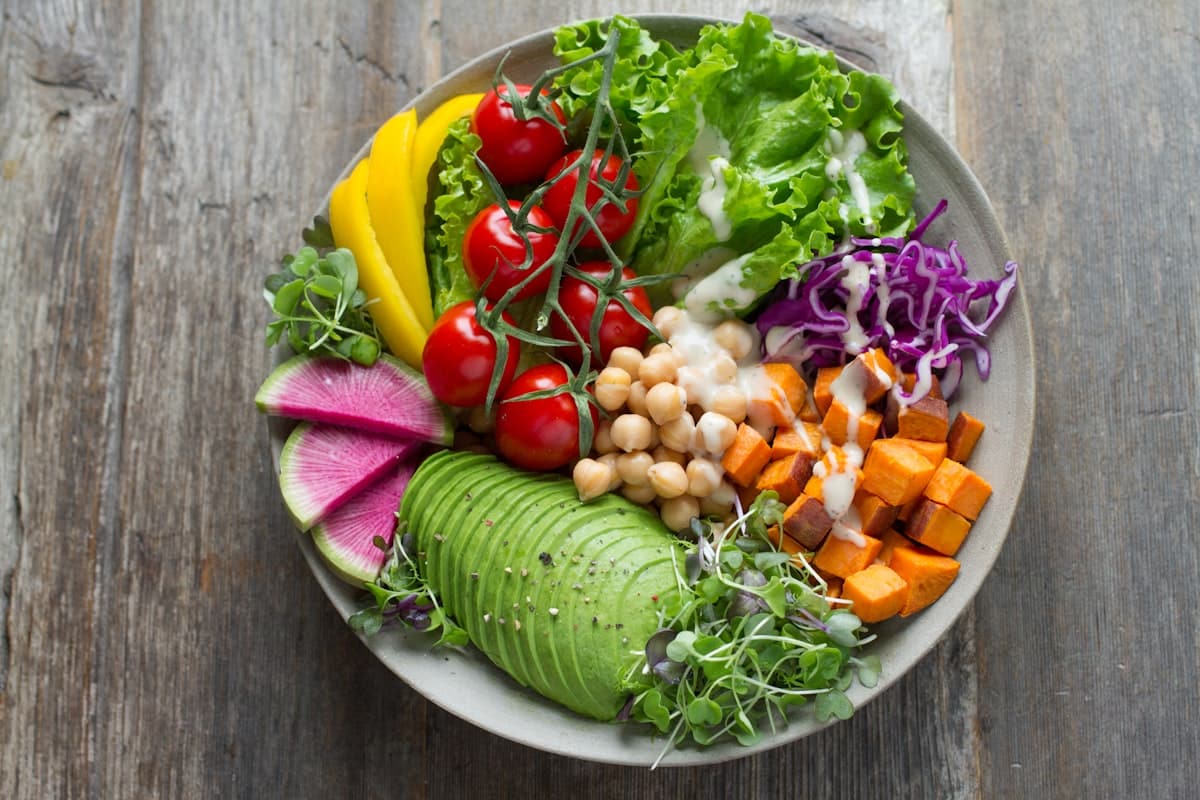
Half the plate: non-starchy vegetables — leafy greens, broccoli, cauliflower, courgette, peppers, cucumber, tomatoes. These provide fibre, magnesium, polyphenols, and micronutrients with minimal glycaemic impact. No upper limit on this half of the plate. A quarter of the plate: quality protein — eggs, fish, poultry, Greek yoghurt, tofu, tempeh, legume-grain combinations. Eaten first before the carbohydrate component. The final quarter: low-glycaemic carbohydrate — primarily legumes, with intact whole grains as the alternative. Dressed with extra-virgin olive oil. This plate structure, applied consistently at lunch and dinner, provides the carbohydrate quality and meal composition that produces the best blood glucose outcomes available from dietary management alone.
Strategy 5: Never Skip Breakfast — Make It Protein-First
Skipping breakfast extends the overnight cortisol-driven blood glucose elevation and sets up the morning’s blood sugar instability before the day has properly begun. For people managing diabetes, a protein-first breakfast within 60–90 minutes of waking is one of the most impactful single meal choices of the day — it uses the morning’s peak insulin sensitivity to establish stable blood glucose before cortisol’s daily decline begins.
The diabetes diet breakfast that most reliably produces stable morning blood glucose: three whole eggs scrambled in olive oil with spinach and cherry tomatoes, eaten before any bread or carbohydrate component. Full-fat Greek yoghurt with ground flaxseed, mixed berries, and a tablespoon of almond butter — protein before the fruit. Smoked salmon with avocado and a small portion of rye crispbread. What to remove from breakfast entirely: commercial breakfast cereals, instant porridge with added sugars, fruit juice, toast as the main component, and flavoured yoghurts. The standard modern breakfast is almost perfectly designed to spike blood glucose and set up the morning’s diabetes management difficulty — the this dietary approach breakfast is almost its exact opposite.
Strategy 6: Use Specific Blood-Glucose-Lowering Foods Daily
Several foods have documented, mechanistically understood effects on postprandial glucose beyond their basic macronutrient content. These aren’t supplements — they’re culinary ingredients that belong in the daily this dietary approach because their evidence base is strong enough to warrant deliberate inclusion.
Ceylon cinnamon at one to two teaspoons daily. Multiple meta-analyses document significant fasting glucose and HbA1c reductions with consistent cinnamon consumption in diabetic individuals. The mechanism — cinnamaldehyde improving insulin receptor sensitivity and GLUT4 translocation — is well characterised. Add it to coffee, yoghurt, oatmeal, or any dish that welcomes the flavour. Use Ceylon cinnamon specifically, not cassia — cassia contains coumarin at levels that may cause liver issues at daily diabetes diet doses.
Apple cider vinegar at one to two tablespoons in water before the highest-carbohydrate meal of the day. Acetic acid inhibits amylase and disaccharidase enzymes, slowing carbohydrate digestion and measurably reducing the postprandial glucose response of that meal. Multiple small trials in diabetic individuals confirm 20–30% reductions in postprandial glucose with pre-meal vinegar consumption. Simple, inexpensive, and genuinely evidence-supported.
Blueberries at 150–200g daily. The anthocyanin content activates AMPK in skeletal muscle through the same pathway as metformin, improving glucose uptake independently of insulin. Multiple RCTs in insulin-resistant adults document significant improvements in insulin sensitivity with consistent daily blueberry consumption. They’re the only fruit with this specific mechanism, which makes them the this eating framework’s most therapeutically relevant fruit choice.
Fenugreek seeds at one to two tablespoons soaked or ground daily. 4-hydroxyisoleucine — an amino acid unique to fenugreek — directly stimulates insulin secretion and improves insulin receptor sensitivity. Abundant soluble fibre slows glucose absorption from the same meal. Multiple trials in type 2 diabetic patients document significant fasting glucose reductions with consistent fenugreek consumption.
Strategy 7: Manage Meal Timing and Frequency
When you eat matters alongside what you eat in a this eating framework. Insulin sensitivity follows a circadian rhythm — it’s highest in the morning and declines through the day and evening. This means identical meals produce lower postprandial glucose spikes in the morning than in the evening. Front-loading carbohydrates toward morning and midday meals — when insulin sensitivity is at its daily peak — and keeping the evening meal lighter and lower-glycaemic is a chronobiologically grounded diabetes diet strategy that reduces daily glucose exposure without changing total food intake.
Time-restricted eating — confining all meals to an eight-to-ten-hour window — adds the benefit of an extended overnight fasting period during which insulin falls to its lowest daily levels, allowing insulin receptor sensitivity to partially recover. Multiple trials in diabetic individuals document meaningful improvements in fasting glucose and HbA1c with consistent time-restricted eating independently of dietary composition changes. Combining improved meal timing with carbohydrate quality improvement produces better blood glucose outcomes than either approach alone.
Strategy 8: Walk After Meals as a Non-Negotiable Diabetes Diet Component
A post-meal walk isn’t technically dietary — but research indexed by the National Institutes of Health confirms it’s such a powerful modifier of the glycaemic response to meals that any complete the dietary plan guide has to include it. Ten to fifteen minutes of gentle walking after the largest meal of the day reduces the postprandial glucose peak of that meal by 20–30% through the insulin-independent GLUT4 activation of muscle contraction. It directly addresses the post-meal blood glucose spike that the dietary components of the the dietary plan are working to prevent.
Think of it as the non-dietary component of the diabetes diet — something that changes the metabolic outcome of the food you just ate without changing the food itself. Done after dinner, it also meaningfully reduces the fasting glucose the following morning by preventing the overnight glucose elevation that a high postprandial dinner spike would otherwise produce. It’s free, it takes 10 minutes, and the evidence base is consistent. Not doing it is leaving one of the most effective this way of eating tools unused.
Strategy 9: Hydrate Deliberately — Beverages Are Part of the Diabetes Diet
What you drink is as important as what you eat in a this way of eating — because sugar-sweetened beverages produce the fastest and most extreme glucose spikes in the modern diet, and because specific beverages actively support blood glucose management. Water is the baseline — adequate hydration supports kidney glucose clearance and helps prevent the dehydration that osmotic diuresis from elevated blood glucose causes.
Green tea at two to three cups daily provides EGCG that activates AMPK and inhibits hepatic glucose production — one of the few beverages with a direct blood glucose-lowering mechanism. Black coffee in the morning provides chlorogenic acids that inhibit gluconeogenesis and improve insulin sensitivity — consumed without added sugar, coffee is a net metabolic positive in a diabetes diet. What leaves the this nutritional approach entirely: all sugar-sweetened beverages, fruit juice, sports drinks, and sweetened coffee shop drinks.
The Complete Diabetes Diet Food Guide
Here’s the practical breakdown of what belongs in a this nutritional approach, what to eat occasionally and carefully, and what needs to go entirely.
Eat These Abundantly
Lentils, chickpeas, black beans, kidney beans. The diabetes diet’s most important carbohydrate foods. Their glycaemic response is roughly one-third that of equivalent carbohydrate from rice or bread. They provide complete nutrition — protein, fibre, resistant starch, and micronutrients — alongside their blood glucose management properties. A meal built on lentils rather than rice produces a postprandial glucose profile that causes a fraction of the diabetes management difficulty that refined grain carbohydrates create. Make them your daily staple starch.
Non-starchy vegetables — everything from leafy greens to cruciferous. Spinach, kale, broccoli, cauliflower, courgette, peppers, cucumber, celery, asparagus, green beans, onions, garlic, mushrooms. No meaningful glycaemic impact. Rich in the fibre, magnesium, polyphenols, and micronutrients that support glucose metabolism. Build half of every the eating strategy meal around these. No portion limits.
Fatty fish. Salmon, sardines, mackerel, herring. The omega-3 EPA and DHA reduce the systemic inflammation that impairs insulin receptor signalling. Complete protein stabilises blood glucose at each meal. Vitamin D and selenium support thyroid function and pancreatic beta cell health. Aim for three times weekly minimum. Canned sardines and mackerel are nutritionally equivalent and practical for daily use.
Eggs. The most the eating strategy-appropriate animal protein — complete amino acid profile, minimal insulin response, high satiety, and excellent micronutrient provision (choline, selenium, B vitamins). Two to three eggs at breakfast does more for the morning’s blood glucose stability than any supplement you could take alongside it.
Extra-virgin olive oil. The diabetes diet’s primary cooking fat and dressing oil. Three to four tablespoons daily. The oleic acid and polyphenol content improve insulin receptor sensitivity and reduce the inflammatory burden that drives insulin resistance.
Mixed nuts and seeds. Almonds, walnuts, Brazil nuts, chia seeds, flaxseeds. Pre-meal nuts blunt the glycaemic response of the subsequent meal. Daily flaxseeds — two tablespoons ground — provide lignans that increase SHBG and shift oestrogen metabolism toward the protective pathway, plus soluble fibre for gut microbiome support and postprandial glucose blunting.
Full-fat Greek yoghurt (plain). Protein for blood glucose stability, fat for gastric emptying modulation, and probiotics for gut microbiome support. The this food approach foundation for breakfast or snacks when a snack is genuinely needed.
Eat These Carefully — Portion and Pairing Matter
Intact whole grains. Steel-cut oats (not instant), whole grain barley, brown rice (cooked and cooled to increase resistant starch), quinoa. Appropriate in the this food approach in controlled portions as part of complete meals with protein, fat, and non-starchy vegetables — not as the main component of a meal eaten alone.
Root vegetables. Sweet potato, regular potato, carrots, beetroot. Higher glycaemic load than non-starchy vegetables, but not eliminated from the diabetes diet. Potato cooked and cooled overnight has roughly half the glycaemic response of freshly cooked potato due to resistant starch formation. Pair with protein and fat and eat in moderate portions as part of a complete meal rather than as a standalone carbohydrate.
Whole fruit beyond berries. Apples, pears, citrus fruits, cherries — appropriate in moderate quantities as part of complete meals. Always whole fruit, never juiced. Eaten with protein or fat to slow glucose absorption. Tropical fruits (mango, pineapple, dates) have higher glycaemic loads and should be occasional rather than daily in a dietary principles.
Full-fat dairy other than Greek yoghurt. Cheese and full-fat milk in moderate quantities — the protein and fat content provides reasonable glycaemic moderation, and fermented dairy forms (aged cheese, kefir) provide additional gut microbiome benefits. Low-fat dairy’s removal of fat increases the relative proportion of insulinotropic dairy proteins, producing a worse insulin response per calorie than full-fat equivalents.
Remove These From Your Diabetes Diet
All sugar-sweetened beverages. Non-negotiable removal. The fastest and most extreme glucose spikes available in the modern diet. Not reduced — removed entirely. This single change often produces the most immediately noticeable improvement in daily diabetes symptoms and energy of any dietary principles change.
Commercial breakfast cereals. Including most marketed as healthy, high-fibre, or suitable for diabetics. Their processing produces glucose absorption kinetics that make them among the worst diabetes diet breakfast choices available.
White bread as a daily staple. As an occasional choice alongside abundant protein, fat, and vegetables, it’s manageable. As a daily staple carbohydrate, it sustains the postprandial glucose spikes that drive HbA1c elevation. Replace daily with legumes.
Industrial seed oils. Sunflower, soybean, corn, canola. The omega-6 content drives the inflammatory cytokine production that impairs insulin receptor function at the cellular level. Replace entirely with extra-virgin olive oil and, for high-heat cooking, coconut oil or ghee.
Ultra-processed foods of all kinds. The combination of refined carbohydrates, seed oils, and gut-microbiome-disrupting additives produces maximum glycaemic impact alongside maximum insulin receptor inflammatory damage. No amount of portion management compensates for eating multiple ultra-processed foods daily in a this dietary approach.
The Vegetarian Diabetes Diet: What Changes and What Doesn’t
Plant-based approaches to this dietary approach management have genuinely strong evidence behind them — multiple large observational studies document lower type 2 diabetes rates in plant-based populations, and several intervention trials have documented significant HbA1c improvements from well-designed vegetarian diabetes diet approaches. The reason isn’t difficult to understand: plant-based whole food diets are naturally higher in the fibre, polyphenols, and prebiotic compounds that support insulin sensitivity, and lower in the inflammatory processed meat and refined carbohydrate combinations that drive it in the opposite direction.
The critical requirement for a vegetarian this eating framework is adequate per-meal protein. Twenty-five to thirty grams per meal from plant sources prevents the postprandial glucose spikes that a low-protein meal allows, and maintains the lean muscle mass that determines insulin-mediated glucose disposal capacity. Tofu, tempeh, and edamame as complete proteins; legume-grain combinations at each meal; hemp seeds and chia seeds added to smoothies, porridge, and salads throughout the day.
The specific supplements that are non-negotiable for a plant-based this eating framework: algae-based EPA and DHA at 2–3 grams daily — the anti-inflammatory omega-3s most directly relevant to insulin receptor function are absent from plant foods in active form; vitamin B12 at 1,000 mcg methylcobalamin — absent from plant foods and required for neural function particularly relevant in the context of diabetic neuropathy risk; lichen-derived vitamin D3 with K2 at 2,000–4,000 IU — essential for pancreatic beta cell function and GLUT4 expression; and zinc bisglycinate at 15–20 mg daily, because plant zinc bioavailability is reduced by phytates and zinc is required for insulin synthesis and receptor signalling.
7 Diabetes Diet Mistakes That Keep Blood Sugar High
Mistake 1: Following a Low-Fat Diabetes Diet
Low-fat dietary approaches for diabetes typically increase carbohydrate intake — replacing fat calories with refined carbohydrate calories. This directly worsens the postprandial glucose spikes that drive HbA1c elevation. Low-fat flavoured yoghurt, low-fat granola, and reduced-fat crackers are among the foods that most reliably worsen diabetes management despite their health-food framing. Fix: Focus on carbohydrate quality, not fat restriction. Replace refined carbohydrates with legumes and non-starchy vegetables. Include quality fats at every meal to slow glucose absorption and support insulin receptor sensitivity.
Mistake 2: Eating Carbohydrates Without Protein or Fat
A piece of toast eaten alone. A bowl of rice with vegetables but no protein. A banana as a standalone snack. Each of these produces a faster and higher glucose spike than the same food eaten as part of a complete meal containing protein and fat. The protein and fat don’t add to the glucose load — they change how quickly the carbohydrate’s glucose is delivered to the bloodstream. Fix: Never eat carbohydrates without protein and fat alongside them. A banana with almond butter is a completely different metabolic proposition than a banana alone. Apply this principle to every meal and snack in the diabetes diet.
Mistake 3: Treating “Diabetic” or “Sugar-Free” Products as Safe Choices
Foods marketed specifically for diabetics — diabetic biscuits, sugar-free chocolate, “suitable for diabetics” cereals — are frequently not the the dietary plan improvement they appear to be. Many contain maltitol or other sugar alcohols that raise blood glucose significantly (maltitol has a glycaemic index of roughly 35 — lower than sugar but not negligible). Others replace sugar with refined starches that produce equivalent glucose responses. Fix: Ignore the diabetes-specific health marketing and read the carbohydrate content. The the dietary plan is built on whole foods with naturally low glycaemic impact — not on processed alternatives engineered to technically qualify as “diabetic-friendly.”
Mistake 4: Drinking Fruit Juice Because It’s Natural
Fruit juice removes the fibre that slows glucose absorption from whole fruit, concentrating the fructose and glucose in a liquid form that produces blood glucose spikes comparable to soft drinks. Orange juice, apple juice, and green juice — regardless of their “natural” framing — are incompatible with a diabetes diet. The nutrition of the original fruit matters; the processing that creates juice changes its metabolic character entirely. Fix: Eat whole fruit in moderate quantities rather than juice. If you want fruit nutrients in a drink, blend whole fruit with the fibre intact rather than juicing. Or better yet, eat berries with Greek yoghurt.
Mistake 5: Not Testing Postprandial Glucose
Many people managing diabetes with a fasting glucose test think their diet is working well when it isn’t — because postprandial spikes in the 10–14 mmol/L range are occurring after every meal while fasting glucose looks acceptable. Managing a this way of eating without monitoring postprandial glucose is managing blind. Fix: Test blood glucose one to two hours after meals — specifically after the meals you think are most likely causing problems. The data tells you which foods are spiking your glucose and which aren’t, allowing you to refine your this way of eating based on actual metabolic response rather than general principles alone.
Mistake 6: Eating Dinner as the Largest Meal of the Day
Insulin sensitivity follows a circadian rhythm that’s highest in the morning and lowest in the evening. An identical meal produces a significantly larger postprandial glucose spike when eaten at 8pm than at 8am — because the cells responsible for absorbing that glucose are less responsive to insulin in the evening. A diabetes diet built around a large high-carbohydrate dinner produces systematically worse blood glucose outcomes than the same total daily intake distributed with more carbohydrates earlier in the day. Fix: Make breakfast and lunch the larger, higher-carbohydrate meals. Keep the evening meal lighter and lower-glycaemic — protein and non-starchy vegetables, with minimal starch. This chronobiological adjustment often produces meaningful fasting glucose improvements without any change to total daily food intake.
Mistake 7: Relying on the Diabetes Diet Alone Without Moving After Meals
The this nutritional approach optimises what you eat. Post-meal movement optimises what happens to that food after you’ve eaten it. Sitting for three hours after a meal that has been carefully constructed to produce a modest glucose rise allows that glucose to stay in the bloodstream longer than it would if even a brief walk had provided the muscle contraction-mediated glucose uptake of post-meal activity. The this nutritional approach and post-meal movement work through different mechanisms and they compound each other’s benefits. Fix: Walk for 10–15 minutes after the largest meal of the day. Every day. This isn’t additional exercise — it’s the non-dietary component of the diabetes diet that most people leave out.
How Long Does the Diabetes Diet Take to Work?
People want to know when things will change. Here’s the honest, evidence-based answer.
Week 1–2: The First Changes You’ll Notice
The fastest-responding changes from a the eating strategy restructuring are in the post-meal blood glucose spikes that were previously occurring after carbohydrate-heavy meals. Within the first week of replacing breakfast cereal with eggs, replacing white rice with lentils at lunch, and eliminating sugar-sweetened beverages, most people notice that the afternoon energy crash is less severe or gone. Post-meal brain fog reduces. This isn’t a placebo response — it’s the direct result of peak postprandial glucose running several mmol/L lower than it was a week earlier.
Weeks 2–6: Fasting Glucose and Symptom Improvements
As the the eating strategy’s lower daily glucose exposure accumulates over weeks, fasting blood glucose typically begins showing measurable improvement at the four-to-six-week mark. The persistent thirst and urinary frequency of significant hyperglycaemia usually begin reducing when postprandial spikes are consistently staying below the osmotic threshold that produces osmotic diuresis. Many people find their medication needs reduce during this period — something to flag with your doctor before adjusting doses independently.
Weeks 8–12: HbA1c Movement
HbA1c reflects the three-month rolling average of blood glucose — it requires a minimum of 12 weeks to meaningfully reflect dietary changes. At the 12-week retest, a consistently implemented diabetes diet typically produces HbA1c reductions of 0.5–1.5% from baseline. That may not sound dramatic, but a 1% HbA1c reduction is associated with a 37% reduction in microvascular complications and a 14% reduction in myocardial infarction risk. The numbers matter enormously for long-term outcomes even when they seem modest in absolute terms.
For the complete laboratory monitoring framework — including which specific markers best reflect the metabolic improvements your this food approach is producing — our guide on metabolic health markers and what they reveal provides the reference ranges and interpretation guidance most relevant to diabetes management.
Making the Diabetes Diet Work in Real Life
Understanding what to eat for a this food approach is the easy part. Implementing it consistently — through social meals, work lunches, family dinners, holiday periods, stress, illness, and the general unpredictability of an actual life — is what determines whether the dietary changes produce the metabolic improvements they’re capable of producing.
Start With Removals, Not Additions
The most common mistake in implementing a new diabetes diet is trying to add everything at once — new foods, new preparation methods, new meal timings — before removing the dietary elements that are actively working against blood glucose management. The removals produce more immediate and more visible improvements than the additions. Remove sugar-sweetened beverages first. Then replace breakfast cereal with eggs. Then switch cooking oil to olive oil. Then introduce legumes at lunch. These sequential removals each produce a measurable step-change in blood glucose that motivates the next one — rather than the overwhelming all-at-once overhaul that most people can’t sustain.
Planning That Actually Survives Contact With Reality
A dietary principles that works perfectly at home and collapses in restaurants, at social events, and during travel doesn’t produce year-round HbA1c improvement. The dietary principles needs a social survival strategy: protein-first ordering in restaurants (ask for the protein component first, eat it before any bread or starchy side); identifying the lowest-glycaemic choices at food outlets you frequently use; keeping a small container of nuts and a pack of tins of sardines for travel days; and the social permission to eat the carbohydrate components of meals in reduced quantities without needing to explain your diabetes diet to everyone at the table.
Tracking Without Obsession
Some people with diabetes find that tracking everything they eat produces anxiety, stress, and eventually dietary restriction patterns that worsen rather than support their metabolic health. Others find that tracking provides the data that motivates and guides their this dietary approach refinement. Neither approach is universally right. The minimum useful tracking is postprandial glucose testing after meals you’re uncertain about — because the actual blood glucose response to a specific food in your body is more relevant than any general glycaemic index table. Your metabolism, your gut microbiome, and your insulin sensitivity are all individual — the data from your own glucose meter tells you more about your ideal this dietary approach than any generic food list.
Diabetes Diet: 15 Questions Answered Honestly
- Q1. What is the best diabetes diet?
-
The best this eating framework is the one built on carbohydrate quality improvement, adequate protein at every meal, quality anti-inflammatory fats, abundant non-starchy vegetables, and the elimination of sugar-sweetened beverages and refined grain products. No single named dietary pattern is perfect for everyone — Mediterranean, low-glycaemic, and whole food plant-based approaches all have strong evidence for diabetes management when well implemented. What they share is more important than what distinguishes them: low glycaemic load, high fibre, quality protein, anti-inflammatory fats, and minimal ultra-processed foods. The best this eating framework is the one built on those principles in a way that you can maintain consistently in your actual life.
- Q2. Can a diabetes diet reverse type 2 diabetes?
-
Yes — particularly with early type 2 diabetes and significant dietary change. The DiRECT trial documented 46% remission rates in type 2 diabetes through a structured dietary intervention delivering 825–853 kcal daily for three to five months, followed by structured food reintroduction. Other trials have documented significant remission rates with low-carbohydrate and Mediterranean dietary approaches.
Remission is most achievable in people with shorter diabetes duration, lower baseline HbA1c, and meaningful weight loss. The the dietary plan that produces the most complete and most durable reversal combines low-glycaemic carbohydrate quality improvement with adequate protein, anti-inflammatory fats, and the lifestyle support of resistance training and sleep optimisation. Diet alone can reverse type 2 diabetes — diet plus lifestyle intervention reverses it more reliably and more completely.
- Q3. Can people with diabetes eat fruit?
-
Yes — whole fruit in appropriate quantities is appropriate in a the dietary plan, with important distinctions between fruit types and forms. Berries (blueberries, strawberries, raspberries, blackberries) are the most diabetes diet-appropriate fruits — their anthocyanin content improves insulin sensitivity independently of their glycaemic impact, and their fibre-intact format produces modest glucose responses. Other low-glycaemic whole fruits — apples, pears, citrus, cherries — are appropriate in moderate quantities as part of complete meals with protein and fat. Tropical fruits and grapes have higher glycaemic loads and should be occasional choices. Fruit juice — regardless of how natural — is incompatible with a this way of eating because the removal of fibre converts whole fruit into a rapid glucose delivery vehicle.
- Q4. How many carbohydrates should someone with diabetes eat?
-
There’s no universal answer — carbohydrate quantity is far less important than carbohydrate quality in a this way of eating. Low-carbohydrate approaches (under 130 grams daily) produce rapid initial blood glucose improvements and are appropriate for people who want fast results or who have very high baseline HbA1c.
Moderate-carbohydrate approaches focusing on quality (100–150 grams daily from legumes, intact whole grains, and vegetables) produce comparable long-term outcomes with better adherence for most people. What matters more than any specific carbohydrate gram target is that the carbohydrates consumed are low-glycaemic whole food sources, eaten as part of complete meals with protein and fat, and that sugar-sweetened beverages and refined grain products have been eliminated. Start with quality improvement and see what carbohydrate quantity naturally settles at once refined carbohydrates are removed.
- Q5. Is rice okay in a diabetes diet?
-
White rice is one of the highest-glycaemic staple carbohydrates and a poor this nutritional approach choice as a daily staple when eaten in standard quantities without offsetting protein and fat.
However, several strategies reduce its glycaemic impact significantly: cooking rice and then refrigerating it overnight before reheating converts digestible starch to resistant starch, reducing the glycaemic response by up to 50%; eating rice in smaller quantities as part of a complete meal with generous protein, non-starchy vegetables, and olive oil moderates its glycaemic impact considerably; and replacing most daily rice servings with lentils or chickpeas is the most effective this nutritional approach adjustment for people whose blood glucose is most affected by rice consumption. Brown rice has a modestly lower glycaemic response than white rice but is still a higher-glycaemic choice compared to legumes.
- Q6. What should someone with diabetes eat for breakfast?
-
The ideal diabetes diet breakfast is high in protein, includes quality fat, and avoids refined carbohydrates entirely. The best options: two to three whole eggs with sautéed spinach and cherry tomatoes cooked in olive oil; full-fat Greek yoghurt with ground flaxseed, mixed berries, and almond butter; smoked salmon with avocado and a small portion of rye crispbread; steel-cut oats with protein powder or eggs on the side, topped with cinnamon and berries.
What to remove from the the eating strategy breakfast: commercial breakfast cereals, instant porridge without protein, fruit juice, toast as the main component, and flavoured or low-fat yoghurts. The protein-first breakfast principle matters most at this meal because it establishes the blood glucose trajectory for the entire first half of the day.
- Q7. Is the keto diet good for diabetes?
-
Very low-carbohydrate ketogenic approaches produce rapid and significant blood glucose improvements in type 2 diabetes — reducing postprandial glucose spikes immediately, lowering HbA1c meaningfully within weeks, and often enabling reduction in glucose-lowering medication. This is genuinely evidence-based and appropriate for some people. The concerns: very low carbohydrate approaches can suppress thyroid T3 conversion over time through reduced carbohydrate-mediated thyroid hormone signalling; they elevate cortisol in some people, potentially limiting long-term metabolic benefits; and long-term adherence rates are low.
A keto the eating strategy can be an excellent short-term intervention for rapid blood glucose improvement, particularly at high baseline HbA1c. It’s less certain as a permanent lifetime diabetes diet for most people. The best this food approach is the lowest-glycaemic whole food approach that can be sustained long-term in a person’s specific cultural, social, and practical context.
- Q8. Can the this food approach include alcohol?
-
Alcohol in a diabetes diet is complicated by several mechanisms that make it more problematic for blood glucose management than for metabolically healthy people. Alcohol inhibits hepatic gluconeogenesis — the liver’s ability to maintain blood glucose during fasting — which can cause hypoglycaemia in people on insulin or sulfonylureas when alcohol is consumed without food. It disrupts sleep architecture, worsening next-day insulin resistance.
It depletes the magnesium and B vitamins most relevant to insulin signalling. And it reduces the dietary decision-making quality that matters for blood glucose management consistency. If alcohol is consumed, the least metabolically disruptive choices for a dietary principles are: dry wine or spirits without sugary mixers, in small quantities (one unit maximum), with food rather than fasted, and not within three hours of bedtime.
- Q9. Does the dietary principles differ for type 1 and type 2?
-
The core principles are the same — lower glycaemic carbohydrates, protein at every meal, quality fats, abundant non-starchy vegetables — but the application differs in important ways. For type 1 diabetes, carbohydrate counting is relevant because insulin doses are calculated partly from carbohydrate intake.
Lower-carbohydrate diabetes diet approaches reduce the total insulin required and the blood glucose variability that comes from large insulin doses, producing tighter time-in-range outcomes. For type 2 diabetes, the this dietary approach focus is more on reducing insulin resistance — improving cellular glucose uptake rather than matching exogenous insulin to dietary glucose. Both types benefit from the same food quality improvements; the specific management strategy built around those food choices differs based on the insulin management approach being used.
- Q10. How does the this dietary approach interact with diabetes medication?
-
A well-implemented diabetes diet often reduces blood glucose enough that previously calibrated medication doses become too large, potentially causing hypoglycaemia. This is a good problem to have — it means the this eating framework is working — but it requires proactive communication with your doctor about medication adjustment as blood glucose improves. Never stop or reduce diabetes medication without medical supervision, even if blood glucose is improving dramatically through dietary change. Instead, flag to your doctor that your blood glucose is consistently running lower than your current medication was calibrated to manage — and adjust under medical guidance. This is particularly important for people on insulin and sulfonylureas, where hypoglycaemia risk is real.
- Q11. What snacks work in a this eating framework?
-
The honest diabetes diet answer on snacks is that three well-structured complete meals with genuine gaps between them produces better blood glucose stability than frequent snacking for most people. Snacking keeps insulin elevated throughout the day, preventing the between-meal insulin clearance that allows receptor sensitivity to recover.
But when a snack is genuinely needed — in a long gap between meals, before exercise, or when hunger is real rather than habitual — the best the dietary plan snacks are protein and fat dominant: a small handful of mixed nuts; a tablespoon of nut butter with celery sticks; a portion of full-fat Greek yoghurt; a boiled egg; a small piece of cheese with cucumber. What doesn’t work as a the dietary plan snack: fruit alone, rice cakes, crackers, cereal bars, and anything with carbohydrates as the primary component without protein alongside.
- Q12. Is the Mediterranean diet good for diabetes?
-
The Mediterranean diet has among the strongest evidence of any named dietary pattern for type 2 diabetes management and prevention. Multiple large trials — including the PREDIMED study — document significant reductions in cardiovascular events, HbA1c improvement, and reduced diabetes incidence in Mediterranean diet adherents.
The components most directly beneficial for the diabetes diet are the extra-virgin olive oil (anti-inflammatory and insulin-sensitising), fatty fish (omega-3 anti-inflammatory support), legumes (low-glycaemic carbohydrate staple), non-starchy vegetables (fibre and polyphenol provision), and moderate whole grains. The Mediterranean diet as traditionally practiced is a strong foundation for a this way of eating. Its main area for refinement in a diabetes management context is further reducing refined carbohydrates — white bread and pasta are traditional Mediterranean staples that are better replaced with legumes and intact whole grains in a this way of eating.
- Q13. Can the diabetes diet help with weight loss?
-
Yes — and the weight loss from a well-designed this nutritional approach is often more sustainable than weight loss from caloric restriction alone, because it addresses the hormonal fat storage signal from hyperinsulinaemia that makes calorie-restricted weight loss so difficult in insulin-resistant individuals.
As fasting insulin falls with carbohydrate quality improvement, the hormonal fat storage signal reduces and body composition begins to improve — often without deliberate caloric restriction, because improved insulin sensitivity changes the hormonal environment that determines whether consumed energy is stored as fat or used for cellular function. Visceral abdominal fat — the most metabolically dangerous fat depot — is specifically responsive to the carbohydrate quality improvements of a this nutritional approach, because visceral adiposity is driven more by carbohydrate quality and insulin levels than by total caloric intake.
- Q14. How do I know if my diabetes diet is working?
-
The most reliable indicators that a the eating strategy is working: postprandial blood glucose consistently staying below 7.8 mmol/L two hours after meals; fasting blood glucose trending downward from baseline; HbA1c improving at 12-week retests; the subjective improvements of reduced post-meal fatigue, better mental clarity, reduced carbohydrate cravings, and more stable energy through the day; waist circumference declining; and triglycerides falling on the lipid panel (one of the most carbohydrate-sensitive standard blood markers). If you’re implementing the the eating strategy consistently and none of these markers are improving after 12 weeks, investigate concurrent thyroid dysfunction and consider whether cortisol management and sleep quality are adequately addressed alongside the dietary changes.
- Q15. Should I see a dietitian for my diabetes diet?
-
A registered dietitian with specific expertise in diabetes management can provide genuinely valuable individualised guidance — particularly for people with complex medication regimens, kidney disease requiring specific nutrient targets, or dietary restrictions that make standard this food approach principles difficult to implement. What matters more than whether you see a dietitian is whether the dietary advice you receive is consistent with the carbohydrate quality improvement and whole food principles that the evidence supports.
Some dietitians still provide low-fat, high-carbohydrate dietary advice that is inconsistent with current this food approach evidence. If the guidance you receive doesn’t address carbohydrate quality, emphasises caloric restriction over food quality, or recommends specific “diabetic” processed food products, seek a second opinion from someone with more current understanding of metabolic nutrition.
Diabetes Diet Myths That Keep People Stuck
| MYTH | FACT |
|---|---|
| The diabetes diet is just about avoiding sugar. | Sugar is one component of the dietary drivers of poor glucose control — but all refined carbohydrates produce rapid blood glucose spikes that drive HbA1c elevation. White bread, white rice, pasta, and commercial breakfast cereals need the same attention as added sugar in a dietary principles. Replacing sugar with refined starch solves one problem while leaving the other intact. |
| People with diabetes should avoid all carbohydrates. | The dietary principles requires carbohydrate quality improvement, not elimination. Legumes, intact whole grains, non-starchy vegetables, and berries are low-glycaemic carbohydrate sources that support blood glucose management. Complete carbohydrate elimination is one valid approach but isn’t required or optimal for everyone. The evidence supports low-glycaemic quality as the primary principle. |
| Fruit is bad for diabetes. | Whole fruit — particularly berries and low-glycaemic fruits like apples and pears — is appropriate in moderate quantities in a diabetes diet. Berries specifically have insulin-sensitising polyphenol effects that make them actively beneficial beyond simply being low-glycaemic. Fruit juice is the diabetes-incompatible form. Whole fruit is not. |
| A low-fat this dietary approach is the safest approach. | Low-fat this dietary approach approaches that replace fat with refined carbohydrates worsen postprandial glucose management. Quality fats — olive oil, avocado, nuts, fatty fish — slow glucose absorption, reduce systemic inflammation that impairs insulin receptors, and provide the membrane composition improvements that support insulin receptor sensitivity. They’re part of the diabetes diet solution, not a risk to be minimised. |
| Diabetic foods are better than regular foods for blood glucose control. | Foods marketed specifically for diabetics frequently contain maltitol, sorbitol, or other sugar alcohols that raise blood glucose significantly, and refined starch replacements for sugar that produce comparable glycaemic responses. The this eating framework is built on whole, minimally processed foods — not on processed alternatives engineered to meet technical “diabetic” labelling criteria while remaining commercially palatable. |
| The this eating framework has to be the same forever with no flexibility. | The most sustainable diabetes diet is one that applies core principles — carbohydrate quality, protein at each meal, quality fats, elimination of liquid sugar — consistently at home and with practical flexibility for social meals and exceptional occasions. Perfect adherence at home with sensible choices when eating out produces better long-term blood glucose management than rigid perfection that collapses under real-world social pressure. The goal is a way of eating that maintains the metabolic improvements of the the dietary plan over years, not weeks. |
Your Diabetes Diet Is the Most Powerful Tool You Have
Medication manages blood glucose. A the dietary plan addresses what’s causing it to be elevated in the first place. That distinction matters more than anything else in this guide. Pills don’t change the postprandial glucose spike from a bowl of breakfast cereal. They manage the glucose that arrives after it. A diabetes diet that prevents the spike means less medication needed to manage glucose that was never elevated in the first place.
The nine strategies in this guide — carbohydrate quality transformation, protein first, quality fats at every meal, the practical plate structure, protein-first breakfast, the blood-glucose-specific foods, meal timing, post-meal movement, and deliberate hydration — address glucose management at every biological level simultaneously. They’re not separate dietary changes added on top of each other. They’re a coherent framework built on the same core insight: that blood glucose is primarily determined by the rate and magnitude of glucose delivery from food, and that slowing that delivery through food structure and composition is the most direct dietary tool available for diabetes management.
For a structured programme that provides a complete, personalised this way of eating plan with meal guides, shopping lists, targeted supplementation protocols, and step-by-step guidance for managing blood glucose — the resource below is worth exploring:
✅ Start Your Proven This way of eating and Blood Sugar Recovery Programme Today
Every meal is a choice about your blood glucose. The diabetes diet just makes those choices clearer.
Further Reading on MetabolismFixerPro: