
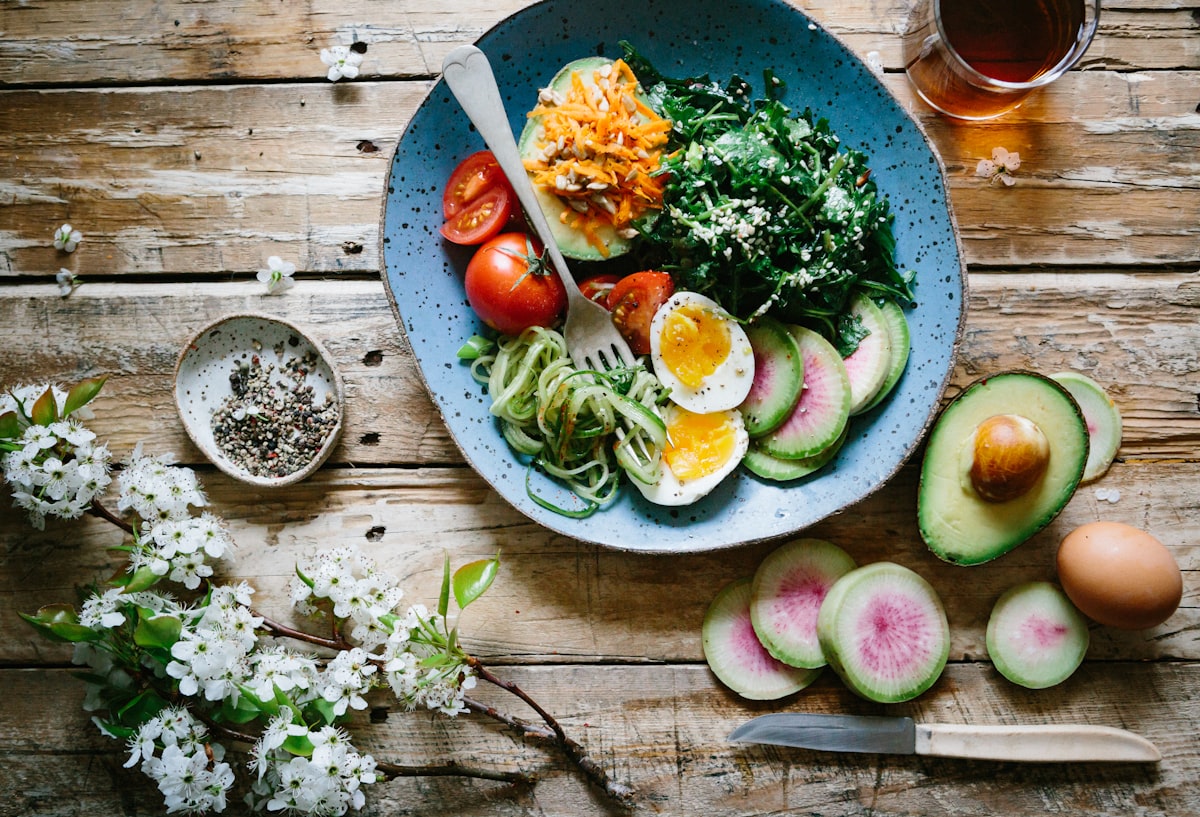
Thyroid Diet: The Complete Science-Based Guide to Eating for Optimal Thyroid Function
A thyroid diet is not a niche eating protocol invented by wellness bloggers — it is a science-grounded nutritional framework built around the specific micronutrients, macronutrients, and dietary patterns that determine whether your thyroid gland can produce hormones efficiently, whether those hormones convert correctly from inactive T4 to active T3 in your tissues, and whether the cellular machinery that translates thyroid hormone signals into metabolic energy is functioning at its full potential.
The connection between what you eat and how your thyroid performs is more direct, more biochemically specific, and more clinically meaningful than most people — and many clinicians — appreciate. The thyroid gland requires iodine as a literal structural component of every thyroid hormone molecule it synthesises. Its hormone production depends on selenium-containing enzymes that are active only when dietary selenium is adequate. The conversion of storage T4 to metabolically active T3 in peripheral tissues requires zinc, iron, and adequate anti-inflammatory conditions driven by dietary fat quality. And the chronic inflammation produced by refined sugars, industrial seed oils, and ultra-processed foods directly impairs every stage of the thyroid hormone production and signalling pathway simultaneously.
This means that food is not merely supportive context for thyroid health — it is a primary determinant of thyroid metabolic output. The right thyroid diet can meaningfully improve thyroid hormone production, reduce autoimmune thyroid antibody levels, enhance T4-to-T3 conversion, and reverse the fatigue, weight gain, brain fog, and metabolic slowdown that characterise thyroid underfunction. The wrong diet can actively worsen thyroid function even in people with no structural thyroid disease.
This comprehensive guide covers every dimension of a science-based thyroid diet: which foods actively support thyroid function and why, which foods impair it and at what quantities, how to build a practical weekly thyroid diet framework, the specific dietary strategies for common thyroid conditions including Hashimoto’s thyroiditis and hypothyroidism, the vegetarian thyroid diet approach, the most common dietary mistakes that undermine thyroid recovery, and the realistic timeline for what dietary changes actually produce in terms of measurable outcomes.
For the complete science of how thyroid hormones regulate your metabolism, read our foundational guide on thyroid metabolism — it provides the mechanistic context that makes every dietary recommendation in this article fully understandable.
The Science Behind the Thyroid Diet: How Food Directly Controls Thyroid Hormone Production
To understand why a thyroid diet works — and which specific dietary components matter most — you need to understand the production pathway of thyroid hormones from raw nutritional inputs to cellular metabolic action. This pathway has four distinct stages, each of which is nutritionally regulated and each of which can become a bottleneck that a targeted thyroid diet can address.
Stage 1: Thyroid Hormone Synthesis — The Iodine and Tyrosine Requirement
Thyroid hormone synthesis begins in the follicular cells of the thyroid gland, where the enzyme thyroid peroxidase (TPO) catalyses the attachment of iodine atoms to tyrosine residues on a large protein called thyroglobulin. T4 (thyroxine) is formed when four iodine atoms are attached to a tyrosine pair; T3 is formed when three iodine atoms are attached. This synthesis process requires two dietary inputs that no amount of supplementation or lifestyle modification can replace: iodine and tyrosine.
Iodine must come from the diet — the human body has no capacity to synthesise it internally. Tyrosine is a conditionally essential amino acid — synthesised from phenylalanine in the body but requiring adequate dietary protein to maintain sufficient availability. TPO itself is an iron-containing enzyme — it requires haem iron as a cofactor for its activity, making iron deficiency a direct impediment to thyroid hormone synthesis regardless of iodine and tyrosine adequacy.
The thyroid diet’s first nutritional priority is therefore ensuring adequate and consistent provision of iodine, tyrosine (through adequate protein), and iron at every meal — creating the raw material supply chain that the thyroid gland requires for its manufacturing process.
Stage 2: T4-to-T3 Conversion — The Selenium Bottleneck
The majority of thyroid hormone produced — approximately 80% — is the relatively inactive T4 form. For T4 to become the metabolically active T3 that actually drives energy production in cells, it must be converted by deiodinase enzymes (primarily type 1 and type 2 deiodinase, abbreviated DIO1 and DIO2) in the liver, kidneys, muscles, and other peripheral tissues. These deiodinase enzymes are selenoproteins — they require selenium as an essential catalytic component, without which they have virtually no enzymatic activity.
Selenium deficiency is therefore not a peripheral thyroid concern — it is a central, rate-limiting bottleneck in the conversion of stored T4 to the active T3 that determines every aspect of thyroid metabolic output. A person can have a perfectly functioning thyroid gland, producing normal quantities of T4, and still experience the full clinical picture of hypothyroidism — fatigue, weight gain, brain fog, cold intolerance — if selenium deficiency prevents adequate T4-to-T3 conversion in peripheral tissues.
This explains why so many people feel hypothyroid despite “normal” blood tests: their TSH and T4 may be normal, but their Free T3 is low because selenium-dependent conversion is impaired. The thyroid diet’s second nutritional priority is ensuring selenium adequacy — the most targeted and impactful single dietary intervention for T3 availability.
Stage 3: T3 Receptor Binding and Gene Activation — The Zinc and Vitamin D Connection
Even when T3 is adequately produced and circulating, its metabolic effects depend on its ability to bind to thyroid hormone receptors (THRs) on cell nuclei and activate the gene expression changes that drive energy metabolism. Zinc is required for the normal structural folding of thyroid hormone receptors — zinc finger domains in the receptor protein are essential for its DNA-binding function. Vitamin D receptors share structural features with thyroid hormone receptors and modulate the same gene regulatory networks, creating a synergistic interaction in which vitamin D adequacy enhances cellular responsiveness to thyroid hormone signalling.
The practical implication: a thyroid diet that ensures zinc and vitamin D adequacy amplifies the metabolic effect of every unit of T3 produced, potentially producing significantly better energy and metabolic outcomes than the same T3 level would achieve in a zinc- or vitamin D-depleted individual.
Stage 4: Inflammation and the T4-to-Reverse T3 Diversion
Under conditions of systemic inflammation — elevated inflammatory cytokines (TNF-alpha, IL-6, IL-1beta) from poor diet, gut dysbiosis, excess body fat, or chronic stress — the deiodinase enzyme balance shifts away from T4-to-T3 conversion and toward T4-to-Reverse T3 (rT3) conversion. Reverse T3 is a metabolically inactive T4 metabolite that occupies T3 receptors without activating them, reducing the effective cellular thyroid hormone signal even when T3 is being produced at normal rates.
This inflammation-driven rT3 elevation is directly modifiable through diet. Anti-inflammatory eating patterns — eliminating refined sugars, industrial seed oils, and ultra-processed foods; increasing omega-3 fatty acids, polyphenol-rich vegetables, and fermented foods — shift the deiodinase balance back toward active T3 production and reduce rT3 interference with thyroid hormone signalling. The thyroid diet’s fourth nutritional priority is therefore minimising the dietary drivers of systemic inflammation that divert thyroid hormone production away from the active form.
Thyroid Diet and Hormones: How Your Eating Pattern Shapes Your Hormonal Environment
A thyroid diet does not operate on thyroid hormones in isolation. The hormonal environment in which thyroid metabolism functions — shaped by insulin, cortisol, oestrogen, and leptin — is directly influenced by dietary choices, and optimising this broader hormonal environment through dietary strategy produces thyroid metabolic improvements that targeting thyroid nutrients alone cannot fully achieve.
Insulin, Carbohydrate Quality, and Thyroid Conversion
Chronic hyperinsulinemia — elevated circulating insulin from a diet high in refined carbohydrates and sugars — creates a systemic inflammatory state that directly impairs T4-to-T3 conversion through multiple mechanisms. Elevated insulin promotes the production of inflammatory prostaglandins that suppress deiodinase enzyme activity. Insulin resistance drives visceral fat accumulation, which is itself a potent inflammatory tissue producing TNF-alpha and IL-6 that further impair conversion. And insulin resistance at the liver — a primary site of T4-to-T3 conversion — directly reduces hepatic deiodinase activity.
The thyroid diet implication is clear: carbohydrate quality is not a peripheral dietary consideration for thyroid health — it is central. Replacing refined carbohydrates (white flour, sugar, processed grains) with whole-food, low-glycaemic carbohydrate sources (non-starchy vegetables, legumes, low-sugar fruits, intact whole grains in appropriate quantities) reduces the insulin burden, reduces inflammation, and supports optimal T4-to-T3 conversion more effectively than any single thyroid-specific supplement.
For people with both hypothyroidism and insulin resistance — a combination that is extremely common given the bidirectional relationship between the two conditions — a lower-carbohydrate thyroid diet approach (not necessarily strict ketogenic, but significantly reduced in refined carbohydrates and sugar) can produce measurable improvements in both insulin sensitivity and thyroid hormone conversion simultaneously.
Cortisol, Meal Timing, and the Thyroid Diet
Cortisol — the primary stress hormone — directly suppresses thyroid metabolism through the HPT axis, reducing TSH secretion, impairing T4-to-T3 conversion, and increasing Reverse T3 production. The thyroid diet has specific implications for cortisol management through meal timing and meal composition that are frequently overlooked.
Skipping breakfast — particularly in people who are already hypothyroid with a compromised resting metabolic rate — signals the hypothalamus that food is scarce, activating a stress-conservation response that elevates cortisol and further suppresses thyroid metabolic output. Eating a protein- and fat-rich breakfast within 60–90 minutes of waking consistently signals metabolic safety, reduces morning cortisol, and provides the tyrosine and iodine that support the day’s thyroid hormone production.
Severe caloric restriction — dropping below approximately 1,200 calories daily for extended periods — produces the same hypothalamic starvation response, actively suppressing TSH and shifting T4 conversion toward Reverse T3. This is the physiological mechanism behind “diet-induced hypothyroidism” — the metabolic slowdown that renders prolonged caloric restriction progressively less effective and leaves many chronic dieters with genuine thyroid metabolic impairment. A thyroid diet that supports metabolic rate rather than fighting against it eats at or near maintenance calories, with food quality rather than caloric restriction as the primary dietary lever.
The 9 Most Powerful Thyroid Diet Foods Backed by Science
The following foods represent the most evidence-supported, clinically meaningful nutritional contributions to thyroid function. Each is selected not merely because it contains a thyroid-relevant nutrient, but because its inclusion in a thyroid diet has measurable effects on thyroid hormone production, conversion, or metabolic signalling.
1. Brazil Nuts — The Single Most Thyroid-Targeted Food on Earth
Brazil nuts are the most concentrated dietary source of selenium available globally — a single Brazil nut from a selenium-rich growing region (primarily Brazil, Bolivia, and Peru) contains between 50–90 mcg of selenium, meaning that 1–3 Brazil nuts per day can meet or exceed the 55 mcg daily recommended intake and approach the therapeutic range of 100–200 mcg used in Hashimoto’s clinical trials.
The selenium in Brazil nuts is present as selenomethionine — an organic form that is more bioavailable and more efficiently incorporated into selenoproteins (including the deiodinase enzymes that convert T4 to active T3) than inorganic selenium forms. Regular Brazil nut consumption has been shown in controlled trials to increase plasma selenium and selenoprotein activity within 2–4 weeks.
Thyroid diet recommendation: 1–3 Brazil nuts daily as a snack or added to a smoothie. Avoid consuming large quantities (10+ nuts daily) as selenium toxicity (selenosis) is possible at very high intakes, producing hair loss, nail brittleness, and neurological symptoms — a painful irony given that selenium deficiency causes identical symptoms through a different mechanism.
Common mistake: Buying Brazil nuts grown in selenium-depleted soils (some regions of Africa and Europe produce very low-selenium Brazil nuts) and assuming selenium adequacy. Ensure Brazil nuts are sourced from South American producers for reliable selenium content.
2. Fatty Fish — Selenium, Omega-3, Iodine, and Vitamin D in One Food
Fatty fish — salmon, mackerel, sardines, herring, trout, and anchovies — are the most nutritionally complete single food category for thyroid diet support. They simultaneously provide selenium (supporting T4-to-T3 conversion), iodine (the structural building block of thyroid hormones), vitamin D (supporting thyroid hormone receptor function and immune modulation), omega-3 EPA and DHA (reducing the systemic inflammation that drives Reverse T3 elevation), and complete protein including tyrosine (the amino acid backbone of T3 and T4).
Omega-3 fatty acids — EPA and DHA — deserve specific mention in the thyroid diet context. They reduce the production of pro-inflammatory cytokines (TNF-alpha, IL-6) that impair deiodinase enzyme activity and promote Reverse T3 conversion. In populations with high omega-3 intake from fatty fish, rates of autoimmune thyroid disease (Hashimoto’s thyroiditis) are consistently lower than in populations with low omega-3 and high omega-6 dietary patterns. Aiming for two to three servings of fatty fish per week provides meaningful omega-3 accumulation alongside the other thyroid-supportive nutrients that make fish uniquely valuable in a thyroid diet.
Thyroid diet recommendation: 2–3 servings of fatty fish weekly (150–200g per serving). Prioritise wild-caught over farmed where budget allows, as wild salmon contains higher omega-3 content. Canned sardines and mackerel in olive oil are cost-effective daily thyroid diet additions.
3. Eggs — Complete Thyroid Nutrition in One Package
The egg is among the most thyroid-nutritionally complete whole foods available. The yolk contains iodine (approximately 25 mcg per egg — roughly 17% of daily requirement), selenium (15 mcg per egg), tyrosine, vitamin D, zinc, choline (critical for liver function, where significant T4-to-T3 conversion occurs), and B vitamins including B12 (supporting the neurological functions impaired by hypothyroid brain fog). The white provides high-quality complete protein including adequate phenylalanine for tyrosine synthesis.
Eating whole eggs — yolk and white together — maximises the thyroid diet benefit. The common practice of discarding the yolk removes the majority of the egg’s thyroid-supportive micronutrients while retaining primarily the protein of the white. For thyroid health specifically, the yolk is the most valuable component.
4. Seaweed — The Ocean’s Iodine Delivery System
Seaweed — particularly nori (used in sushi), wakame (used in miso soup), and kombu (used in broths) — is one of the richest natural sources of iodine available in a thyroid diet. However, seaweed’s role in the thyroid diet requires nuance and precision. While iodine deficiency is the leading global cause of hypothyroidism and goitre, excessive iodine intake — particularly from high-iodine seaweed species like kelp (kombu) — can paradoxically suppress thyroid function through the Wolff-Chaikoff effect, and in people with Hashimoto’s thyroiditis, excess iodine increases oxidative stress in the thyroid gland and elevates TPO antibody levels.
Nori (the seaweed sheets used to wrap sushi) is the safest seaweed for regular thyroid diet inclusion — it provides moderate, consistent iodine without the extreme concentrations found in kelp. A standard sushi sheet of nori provides approximately 45 mcg of iodine — a useful contribution without risk of excess. Wakame provides approximately 70 mcg per 5-gram portion. Kombu (kelp) can provide 1,000–8,000 mcg per gram — far exceeding the safe upper limit and specifically contraindicated for regular thyroid diet use, particularly in people with Hashimoto’s.
5. Pumpkin Seeds — The Zinc and Magnesium Powerhouse
Pumpkin seeds (pepitas) are among the richest plant-based sources of zinc — one 30-gram serving provides approximately 2.2 mg of zinc, contributing meaningfully toward the 8–11 mg daily requirement for thyroid hormone receptor function. They also provide magnesium (approximately 150 mg per 30g serving), which supports the HPA axis regulation that reduces cortisol-mediated thyroid suppression, and selenium (approximately 3 mcg per 30g) as an additional minor contribution to the thyroid diet’s selenium strategy.
Zinc from plant sources is less bioavailable than from animal foods due to phytate binding — soaking pumpkin seeds for 4–8 hours before eating or purchasing sprouted seeds reduces phytate content and significantly improves zinc absorption, making this a particularly relevant preparation tip for vegetarians relying on plant-based zinc sources for thyroid diet support.
6. Liver and Organ Meats — The Most Nutrient-Dense Thyroid Diet Food
Beef liver is arguably the single most nutrient-dense thyroid diet food available to omnivores. A 100-gram serving of beef liver provides: 20 mcg of selenium (36% of daily requirement); 4.5 mg of zinc (41%); 6.5 mg of iron (36–81% depending on gender); 60 mcg of vitamin B12 (2,500% of daily requirement — critical for the neurological symptoms of hypothyroidism); vitamin D; folate; and tyrosine. No other single food simultaneously supplies this breadth of thyroid-supportive nutrients at these concentrations.
The resistance many people feel to eating liver is primarily cultural rather than gustatory — it can be genuinely delicious when prepared well (sautéed with onions and herbs, incorporated into bolognese or pâté, or blended into meatballs where its flavour is masked). For people managing hypothyroidism, liver consumed once or twice per week represents the most efficient single thyroid diet food upgrade available.
7. Leafy Green Vegetables — Magnesium, Iron, and Anti-Inflammatory Compounds
Dark leafy greens — spinach, kale, Swiss chard, rocket/arugula, collard greens, beet greens — provide magnesium (essential for HPA axis regulation and T3 conversion support), non-haem iron (for thyroid peroxidase activity), folate (for DNA methylation that modulates thyroid gene expression), and a range of anti-inflammatory polyphenols and antioxidants that reduce the systemic inflammation driving Reverse T3 elevation.
For maximum iron absorption from leafy greens in a thyroid diet context, pair them with a vitamin C source — a squeeze of lemon on spinach, tomatoes alongside kale, or bell pepper in a mixed green salad increases non-haem iron absorption by up to 300% through the conversion of ferric to ferrous iron in the gut.
8. Coconut Oil and MCT Oil — Supporting Thyroid Metabolism Beyond Nutrients
Coconut oil occupies a unique place in the thyroid diet that goes beyond its nutrient profile. Medium-chain triglycerides (MCTs) — the predominant fatty acids in coconut oil — are directly transported to the liver and rapidly converted to ketone bodies, providing cellular energy with minimal insulin stimulation. For hypothyroid patients whose metabolic rate is reduced and whose cells are energy-limited, the rapid availability of MCT-derived energy can meaningfully improve daily energy levels even before thyroid hormone levels have fully normalised.
Additionally, coconut oil’s lauric acid content has documented antimicrobial and anti-inflammatory properties that support gut health — important for the 20% of T4-to-T3 conversion that occurs in the gut through the action of gut bacteria. Incorporating 1–2 tablespoons of coconut oil or MCT oil daily into a thyroid diet — in cooking, coffee, or smoothies — provides energy-stabilising and gut-supportive benefits alongside the primary thyroid nutrients supplied by other thyroid diet foods.
9. Fermented Foods — Gut Health as a Thyroid Diet Strategy
The gut microbiome’s contribution to thyroid metabolism has only recently been fully appreciated. Approximately 20% of peripheral T4-to-T3 conversion is mediated by gut bacterial deiodinase-like enzymes — meaning that gut dysbiosis (imbalanced, reduced-diversity microbiome composition) directly reduces the amount of active T3 produced from T4 regardless of selenium status. The gut microbiome also regulates intestinal barrier integrity — dysbiosis-associated intestinal permeability allows bacterial fragments (lipopolysaccharides) to enter the bloodstream, triggering the systemic inflammation that elevates Reverse T3. And for people with Hashimoto’s thyroiditis, the gut microbiome is directly involved in regulating the regulatory T-cell populations that modulate the autoimmune attack on the thyroid gland.
Fermented foods — yoghurt, kefir, sauerkraut, kimchi, miso, tempeh, and kombucha — introduce beneficial bacterial strains into the gut ecosystem while also providing short-chain fatty acids (from the fermentation process) that directly feed the intestinal lining and reduce gut permeability. Including at least one fermented food daily in a thyroid diet represents a consistent investment in the gut microbiome health that downstream supports thyroid hormone conversion and immune regulation.
Foods That Harm Thyroid Function: What to Avoid on a Thyroid Diet
An effective thyroid diet is defined as much by what it eliminates as by what it includes. The following dietary patterns and specific foods actively impair thyroid function through documented biochemical mechanisms — and their removal from the diet can produce measurable thyroid improvement even without adding any of the supportive foods described above.
Refined Sugar and High-Glycaemic Carbohydrates
Refined sugar and high-glycaemic carbohydrates — white bread, white rice, pastries, sugary beverages, candy, and processed grain products — drive the hyperinsulinemia and systemic inflammation that directly impair T4-to-T3 conversion, elevate Reverse T3, and worsen insulin resistance that further compromises thyroid metabolic function. Eliminating refined sugars is consistently the highest-impact single dietary change for people managing thyroid conditions and the foundation of any evidence-based thyroid diet.
This does not mean eliminating all carbohydrates from the thyroid diet — it means replacing refined, high-glycaemic carbohydrates with whole-food sources that provide nutritional value alongside their carbohydrate content: sweet potato, legumes, intact whole grains (oats, quinoa, brown rice in appropriate portions), and an abundance of non-starchy vegetables. The thyroid diet’s carbohydrate strategy is about quality, not elimination.
Industrial Seed Oils
Sunflower oil, soybean oil, corn oil, canola/rapeseed oil, safflower oil, and cottonseed oil — the dominant cooking oils in most processed foods, restaurant cooking, and commercial food production — are high in omega-6 polyunsaturated fatty acids that oxidise readily at cooking temperatures, generating pro-inflammatory lipid peroxides and aldehydes. Their excessive omega-6 to omega-3 ratio (typically 15:1–50:1, versus the optimal 1:1–4:1) drives the chronic systemic inflammation that impairs deiodinase enzyme activity and promotes Reverse T3 conversion.
Replacing these oils with thyroid-friendly fats — coconut oil, ghee, butter, extra-virgin olive oil, avocado oil — simultaneously reduces the inflammatory burden on the thyroid hormone conversion pathway and provides the stable, high-quality fat that supports both hormonal production and cellular energy metabolism.
Gluten — Specifically for Hashimoto’s Thyroiditis
For the majority of the global population without Hashimoto’s thyroiditis or coeliac disease, gluten does not meaningfully impair thyroid function. But for the estimated 1–2% with coeliac disease and the potentially larger group with non-coeliac gluten sensitivity who also have Hashimoto’s thyroiditis, gluten removal is one of the most powerful single thyroid diet interventions available.
The mechanism involves molecular mimicry — the structural similarity between thyroid peroxidase (TPO) and a specific gliadin peptide fragment from gluten allows the immune system’s anti-gliadin antibodies to cross-react with thyroid tissue, contributing to or maintaining the autoimmune attack. A 2012 study by Sategna-Guidetti et al. in the European Journal of Endocrinology found that strict gluten elimination for one year significantly reduced TPO antibody levels in Hashimoto’s patients without diagnosed coeliac disease. Any person with confirmed Hashimoto’s should undertake a strict 3–6 month gluten-free trial as part of their thyroid diet protocol.
Excessive Raw Goitrogenic Foods
Cruciferous vegetables — broccoli, cauliflower, cabbage, Brussels sprouts, kale — and soy products contain goitrogens: compounds that interfere with thyroid iodine uptake and TPO activity when consumed in very large raw quantities. The practical guidance for the thyroid diet is straightforward: cook cruciferous vegetables, which reduces goitrogenic activity by 90%, and moderate large-quantity raw consumption (particularly large daily raw kale or broccoli smoothies). In iodine-sufficient individuals, cooked cruciferous vegetables in normal dietary quantities pose no meaningful thyroid risk — and their sulforaphane content, fibre, and micronutrient profile make them genuinely valuable in a thyroid diet. The nuance lies in preparation and quantity, not elimination.
Ultra-Processed Foods as a Category
Ultra-processed foods — products with more than five ingredients, containing emulsifiers, artificial flavours, stabilisers, seed oils, and refined grain derivatives — harm thyroid function through multiple simultaneous pathways: they drive insulin resistance and inflammation, disrupt the gut microbiome, displace nutrient-dense thyroid diet foods from the diet, and frequently contain food additives (particularly certain emulsifiers like polysorbate 80 and carrageenan) that directly impair intestinal barrier integrity and promote the gut dysbiosis that reduces T4-to-T3 conversion.
The thyroid diet’s fundamental structural principle is a whole-foods foundation. If a food has a long ingredient list, comes in processed packaging, or requires industrial manufacturing to exist, it has no place in an evidence-based thyroid diet.
7-Day Thyroid Diet Meal Plan: A Practical Weekly Framework
The following 7-day thyroid diet meal plan integrates the thyroid-supportive foods covered above into a globally applicable, practically achievable weekly eating framework. It prioritises selenium, iodine, zinc, iron, and omega-3 sources at every meal while maintaining an anti-inflammatory dietary base.
Day 1 — Monday
Breakfast: 3 whole eggs scrambled in coconut oil with spinach and a sprinkle of pumpkin seeds. Black coffee or green tea. 2 Brazil nuts alongside.
Lunch: Grilled salmon fillet (200g) over a large mixed green salad with avocado, cucumber, cherry tomatoes, and olive oil-lemon dressing.
Dinner: Beef and vegetable stir-fry with broccoli, bok choy, mushrooms, garlic, and tamari sauce, cooked in avocado oil. Served with a small portion of brown rice or cauliflower rice.
Snack: Full-fat Greek yoghurt with a handful of walnuts and fresh raspberries.
Day 2 — Tuesday
Breakfast: Smoked salmon (100g) with 2 poached eggs, steamed asparagus, and sauerkraut on the side. 1 Brazil nut.
Lunch: Lentil and spinach soup with turmeric, garlic, lemon, and a dollop of Greek yoghurt. Bone broth base.
Dinner: Roast chicken thighs (skin on) with roasted sweet potato and Brussels sprouts, drizzled with olive oil and fresh rosemary.
Snack: Hard-boiled egg and a handful of pumpkin seeds.
Day 3 — Wednesday
Breakfast: Overnight chia pudding made with coconut milk, topped with kefir, blueberries, hemp seeds, and a drizzle of almond butter. 2 Brazil nuts.
Lunch: Tuna (tinned in olive oil) salad with mixed greens, avocado, capers, lemon, and extra-virgin olive oil. Add kimchi on the side.
Dinner: Lamb chops with roasted courgette, aubergine, and cherry tomatoes, drizzled with olive oil and garlic. Side of cooked kale with lemon.
Snack: Slice of cheddar cheese and cucumber sticks.
Day 4 — Thursday
Breakfast: Liver and onions (beef liver 100g, sautéed in ghee with onions and fresh thyme). Side of roasted cherry tomatoes. 1 Brazil nut.
Lunch: Large salad bowl with sardines, hard-boiled egg, olives, artichoke hearts, rocket/arugula, and olive oil-mustard dressing.
Dinner: Prawn and vegetable coconut curry (using coconut milk, turmeric, ginger, garlic) with courgette noodles or cauliflower rice.
Snack: Kefir smoothie with spinach, banana (small), ginger, and hemp seeds.
Day 5 — Friday
Breakfast: 3-egg vegetable frittata with mushrooms, red pepper, spinach, and feta, cooked in olive oil. 2 Brazil nuts.
Lunch: Bone broth soup with shredded chicken, ginger, turmeric, kale, and shiitake mushrooms.
Dinner: Grilled mackerel (200g) with roasted asparagus and garlic, served with miso soup (for iodine and gut-supportive probiotics).
Snack: A small bowl of edamame with sea salt.
Day 6 — Saturday
Breakfast: Full-fat Greek yoghurt parfait with fresh strawberries, mixed seeds (sunflower, pumpkin, chia, flax), and a drizzle of coconut oil. 2 Brazil nuts.
Lunch: Beef burger (grass-fed, 180g) without the bun, topped with avocado, mustard, and fermented pickle, served with a large green salad.
Dinner: Sea bass or cod baked in olive oil with lemon, capers, and fresh herbs, served with roasted vegetables (courgette, fennel, cherry tomatoes).
Snack: Sauerkraut directly from the jar (probiotic benefit), with cheese and seed crackers.
Day 7 — Sunday
Breakfast: Smoked mackerel with scrambled eggs and wilted spinach in butter. 1 Brazil nut.
Lunch: Slow-cooked beef stew with carrots, celery, mushrooms, and fresh thyme in bone broth.
Dinner: Whole roasted chicken with roasted sweet potato wedges, steamed broccoli, and homemade gravy from the pan juices.
Snack: Handful of mixed seeds (pumpkin, sunflower, sesame) roasted in tamari.
Vegetarian Thyroid Diet: A Complete Plant-Based Framework
A vegetarian thyroid diet requires deliberate nutritional engineering but is entirely achievable in producing optimal thyroid support. The core challenge is providing the four most critical thyroid nutrients — iodine, selenium, zinc, and iron — from plant-based sources that are inherently less concentrated and less bioavailable in these nutrients than their animal-based counterparts.
The Vegetarian Thyroid Diet Daily Nutrition Protocol
Iodine strategy: Use iodised salt consistently in cooking (ensuring the label specifies potassium iodide or potassium iodate addition). Include nori sheets 3–4 times weekly (in salads, as snacks, wrapped around vegetables). Consider a standard iodine supplement of 150 mcg daily if dairy is also excluded (dairy is a significant iodine source for non-vegan vegetarians).
Selenium strategy: 2–3 Brazil nuts daily from South American sources. Consider a 100–150 mcg selenomethionine supplement to ensure consistency given the variable soil content of plant-based selenium sources.
Zinc strategy: Pumpkin seeds daily (soak overnight to reduce phytate content). Hemp seeds. Cashews. Chickpeas and lentils in moderation. Consider a zinc bisglycinate supplement of 15–20 mg daily — vegetarian zinc requirements are estimated at 50% higher than omnivore requirements due to phytate-mediated absorption impairment.
Iron strategy: Include iron-rich plant foods daily: cooked spinach and other leafy greens, lentils, pumpkin seeds, dark chocolate (85%+), tofu, and blackstrap molasses. Always pair with vitamin C — bell peppers, tomatoes, lemon juice, or kiwi fruit — to maximise non-haem iron absorption.
Protein and tyrosine strategy: Eggs (for non-vegan vegetarians) at every meal possible. Tofu and tempeh as primary protein anchors. Greek yoghurt, cottage cheese, and other dairy. Hemp seeds (complete protein). Ensure daily protein intake of at least 1.2–1.5g per kilogram of body weight for adequate tyrosine availability.
Sample Vegetarian Thyroid Diet Day
Breakfast: 3-egg omelette with spinach, mushrooms, and feta cheese, cooked in coconut oil. 2 Brazil nuts. Green tea.
Lunch: Lentil, kale, and sweet potato bowl with tahini dressing, pumpkin seeds, and a squeeze of lemon. Side of kimchi.
Dinner: Tofu and vegetable stir-fry with broccoli, bok choy, garlic, ginger, and tamari, cooked in avocado oil. Nori sheets as a side wrap.
Snacks: Full-fat Greek yoghurt with hemp seeds and blueberries. A small bowl of edamame.
7 Critical Thyroid Diet Mistakes That Undermine Your Recovery
Mistake 1: Focussing on Single “Superfoods” While Neglecting Dietary Foundation
Many people learn about the thyroid diet through a list of “thyroid superfoods” and begin adding Brazil nuts or seaweed supplements while continuing to eat a diet high in refined sugar, industrial seed oils, and ultra-processed foods. The anti-thyroid impact of the inflammatory dietary foundation far outweighs the supportive contribution of any individual thyroid-specific food. Fix: Begin with dietary foundation first — eliminate refined sugars and seed oils, build meals around whole foods — before adding thyroid-specific superfoods on top.
Mistake 2: Supplementing Iodine Without Ensuring Selenium Adequacy First
Iodine increases the hydrogen peroxide generated during thyroid hormone synthesis. Normally, selenium-dependent glutathione peroxidase enzymes neutralise this hydrogen peroxide before it damages thyroid tissue. When selenium is deficient, iodine supplementation drives oxidative damage to the thyroid gland and, in Hashimoto’s patients, dramatically worsens autoimmune activity. Fix: Always establish selenium adequacy through food (Brazil nuts) or supplementation before increasing iodine intake. Selenium first, iodine second — this sequencing matters.
Mistake 3: Eliminating All Cruciferous Vegetables From the Thyroid Diet
The goitrogen myth has led enormous numbers of people with thyroid conditions to eliminate broccoli, cauliflower, kale, and cabbage entirely — sacrificing the sulforaphane, glucosinolates, vitamin C, folate, and fibre that make cruciferous vegetables among the most thyroid-supportive anti-inflammatory foods in existence. Fix: Cook cruciferous vegetables (boiling for 30 minutes reduces goitrogenicity by 90%), ensure iodine adequacy, and eat these foods liberally as a thyroid diet staple rather than avoiding them out of unfounded fear.
Mistake 4: Under-Eating in an Attempt to Reverse Hypothyroid Weight Gain
Severe caloric restriction directly suppresses the HPT axis, reduces TSH, and shifts T4 conversion toward Reverse T3 — actively worsening the thyroid suppression that caused the weight gain in the first place. Many people with hypothyroidism enter a destructive cycle of eating less, gaining more weight, and concluding the thyroid diet is not working. Fix: Eat at or near maintenance calories while optimising food quality. The thyroid diet heals metabolic rate through nutritional support — not through caloric restriction that fights against it.
Mistake 5: Drinking Large Quantities of Unfiltered Tap Water
Fluoride and chlorine in treated municipal water compete with iodine for uptake through the thyroid’s sodium-iodide symporter, reducing thyroid iodine availability even when dietary iodine intake is adequate. Multiple epidemiological studies show a correlation between high fluoride exposure and elevated TSH. Fix: Filter drinking and cooking water through a reverse osmosis system, which removes fluoride and chlorine effectively. This is a low-cost, ongoing thyroid diet environmental intervention that addresses an overlooked iodine competitor.
Mistake 6: Taking Levothyroxine With Coffee, Calcium, or Food
For people on levothyroxine, medication absorption is a critical dietary-drug interaction. Coffee — even black coffee — reduces levothyroxine absorption by approximately 25%. Calcium supplements, iron supplements, antacids (calcium and magnesium-containing), and soy all significantly reduce drug absorption when taken concurrently. Many people whose medication appears to be “not working” are actually absorbing only 60–75% of their prescribed dose due to these interactions. Fix: Take levothyroxine on an empty stomach with water only, 30–60 minutes before any food, coffee, or supplements. This single adjustment can produce equivalent benefit to a dose increase without changing the prescription.
Mistake 7: Neglecting Gut Health in the Thyroid Diet
Without a healthy gut microbiome, the thyroid diet’s benefits are limited — poor gut health reduces the 20% of T4-to-T3 conversion that occurs in the intestine, impairs absorption of every thyroid-supportive nutrient regardless of dietary intake, and drives the intestinal permeability that floods the bloodstream with inflammatory lipopolysaccharides that elevate Reverse T3. Fix: Include at least one fermented food daily (yoghurt, kefir, kimchi, sauerkraut, miso). Ensure adequate prebiotic fibre from vegetables, legumes, and whole fruits. Consider a multi-strain probiotic supplement where gut dysbiosis is confirmed or strongly suspected.
Thyroid Diet Recovery Timeline: What to Expect Week by Week
Understanding the realistic timeline for thyroid diet improvements is essential for maintaining the consistent commitment that produces results. Thyroid metabolic recovery is measured in weeks and months, not days — and the specific sequence of improvements follows a predictable pattern that reflects the different biological timescales of each system affected by thyroid function.
Weeks 1–2: Foundational Dietary Shift
The first two weeks of implementing a comprehensive thyroid diet are primarily about establishing new eating patterns rather than measuring outcomes. The most common early experiences are improved digestive comfort (as refined sugars and processed foods are removed), better sleep quality (as magnesium and anti-inflammatory eating reduce cortisol reactivity), and a modest improvement in energy stability through the day (as blood glucose swings from high-glycaemic foods are eliminated). No significant thyroid hormone changes are expected to be measurable at this stage, but the biochemical environment is shifting in the right direction from day one.
Weeks 3–6: Selenium and Conversion Improvement
By weeks three to six of consistent selenium adequacy through Brazil nuts and/or supplementation, deiodinase enzyme activity improves and Free T3 levels begin rising in those with previous selenium-driven conversion deficiency. Brain fog — one of the first hypothyroid symptoms to respond to T3 improvement — often begins to noticeably reduce in this window. Energy levels become more consistent. Cold sensitivity may begin to ease. For Hashimoto’s patients, research shows selenium’s antibody-reducing effect begins to manifest at approximately the six-week mark.
Months 2–4: Metabolic Rate and Physical Symptom Recovery
As thyroid metabolism improves and resting metabolic rate increases, physical hypothyroid symptoms begin to meaningfully respond. Weight loss becomes possible — typically 0.5–1.5 kg per month through metabolic recovery rather than caloric restriction. Hair shedding slows and regrowth begins. Skin texture improves. Constipation resolves. Cholesterol levels may normalise as hepatic LDL receptor expression recovers with improving T3. For people simultaneously optimising medication alongside dietary changes, the synergistic effect of both interventions typically produces more pronounced improvements than either alone.
Months 4–12: Cognitive Recovery and Long-Term Stabilisation
Full cognitive recovery — resolution of brain fog, memory improvement, restoration of pre-hypothyroid mental sharpness — takes the longest of all hypothyroid symptoms to achieve, reflecting the time required for neurological adaptations including myelination and neurotransmitter receptor recalibration. Most people experience meaningful cognitive improvement by months four to six and progressive refinement through twelve months of maintained thyroid diet and lifestyle optimisation.
For a complete guide to tracking your metabolic recovery progress through blood markers and other health indicators, read our comprehensive resource on metabolic health markers and what they mean for your body.
The Psychology of the Thyroid Diet: Sustaining Long-Term Dietary Change
The thyroid diet produces its benefits through cumulative, sustained nutritional practice — not through occasional compliance or a 30-day challenge. Understanding the psychological mechanisms that determine whether a dietary change becomes permanent or temporary is therefore as important as understanding which specific foods support thyroid function.
Identity and the Thyroid Diet: From “I’m Trying to Eat Healthily” to “This Is How I Eat”
The most durable dietary changes occur when they are integrated into personal identity rather than maintained through goal-oriented motivation. Research in health psychology consistently shows that people who describe their eating pattern as reflecting who they are — “I eat real, whole foods” — demonstrate significantly higher long-term adherence than those who describe it as an effort toward a goal — “I am trying to eat better for my thyroid.”
This is not a trivial semantic distinction. Identity-based framing activates different neural pathways and different social reinforcement mechanisms than goal-based framing. The transition from “I’m doing a thyroid diet” to “This is how I eat” typically occurs gradually, over 3–6 months of consistent practice, as new dietary patterns become habitual and the improved energy, mental clarity, and body composition they produce become associated rewards that reinforce the identity.
Managing Social Eating on the Thyroid Diet
The thyroid diet’s practical challenge in social contexts — restaurants, family meals, work lunches, travel — requires a set of pre-established strategies rather than in-the-moment improvisation. The most effective approach is building a standard “good enough” protocol for social eating that maintains the thyroid diet’s most important principles (avoiding refined sugar, avoiding seed oils, prioritising protein and vegetables) while accepting that perfect adherence at every social meal is both unnecessary and socially counterproductive.
Eating a protein-rich thyroid diet meal before social events reduces hunger-driven compromise. Focusing on the best protein and vegetable options available at any restaurant or gathering approximates thyroid diet principles without requiring explanation or special requests. Saving the most rigorous thyroid diet compliance for the home meals you control completely — which represent the majority of your weekly eating — produces 80–90% of the dietary benefit while maintaining the social flexibility that makes long-term adherence sustainable.
Thyroid Diet FAQ: 15 Most Important Questions Answered
- Q1. What is the best overall diet for thyroid health?
-
The evidence-based thyroid diet that best supports all aspects of thyroid function is a whole-foods, anti-inflammatory dietary pattern rich in thyroid-essential nutrients. It is built on: fatty fish, eggs, and quality protein (iodine, selenium, zinc, tyrosine); Brazil nuts (selenium); leafy greens and colourful vegetables (magnesium, iron, antioxidants); fermented foods (gut microbiome health); and stable, anti-inflammatory fats (coconut oil, olive oil, ghee, butter). It eliminates refined sugars, industrial seed oils, and ultra-processed foods. It resembles, broadly, a Mediterranean or whole-food diet with specific attention to selenium, iodine, and zinc adequacy and active inclusion of fermented foods and fatty fish.
- Q2. Is a gluten-free thyroid diet necessary for everyone?
-
No — a gluten-free thyroid diet is evidence-based and meaningfully beneficial specifically for people with Hashimoto’s thyroiditis and/or coeliac disease or confirmed non-coeliac gluten sensitivity. For people with hypothyroidism from other causes (iodine deficiency, post-surgical, post-radioactive iodine), gluten does not affect thyroid function and its elimination provides no thyroid-specific benefit. The decision to go gluten-free on a thyroid diet should be based on confirmed or suspected Hashimoto’s and willingness to commit to strict elimination for 3–6 months to assess TPO antibody response.
- Q3. How much iodine do I need on a thyroid diet?
-
The recommended daily iodine intake for adults is 150 mcg, rising to 220–290 mcg during pregnancy and lactation. On a thyroid diet, iodine is best obtained through food — iodised salt (approximately 70 mcg per ¼ tsp), seafood (cod provides approximately 100 mcg per 100g, shrimp approximately 35 mcg per 100g), dairy products (approximately 50 mcg per 250ml milk), and eggs (approximately 25 mcg per egg). For people without Hashimoto’s who are confirmed iodine deficient, supplementation at 150 mcg daily as potassium iodide is appropriate. For Hashimoto’s patients, iodine intake should be from food sources only at standard dietary amounts, avoiding high-dose supplementation.
- Q4. Can the thyroid diet help me lose weight?
-
Yes — but through metabolic restoration rather than caloric restriction. If hypothyroidism is contributing to weight gain through reduced metabolic rate and fat oxidation impairment, restoring thyroid hormone production and conversion through a targeted thyroid diet progressively increases resting metabolic rate, improves fat burning, and makes weight management responsive to normal energy balance again. This process takes months rather than weeks, and the weight loss produced (typically 0.5–1.5 kg per month) reflects genuine metabolic recovery rather than the rapid, muscle-depleting results of aggressive caloric restriction.
- Q5. Should I avoid coffee on a thyroid diet?
-
Coffee itself — consumed separately from thyroid medication — does not meaningfully impair thyroid function and has some evidence of anti-inflammatory benefit. The thyroid diet concern with coffee is specifically its effect on levothyroxine absorption: coffee consumed within 30 minutes of medication reduces drug absorption by approximately 25%. Black coffee without sugar is thyroid diet-compatible as a beverage. Sweetened, cream-laden commercial coffee drinks add significant refined sugar to the diet and should be replaced with black coffee, green tea, or herbal tea in a thyroid diet framework.
- Q6. Are dairy products good or bad for the thyroid diet?
-
Full-fat dairy — yoghurt, kefir, cheese, milk in moderate quantities — is beneficial in the thyroid diet for most people. It provides iodine (a significant dietary source in many Western populations), selenium, protein and tyrosine, probiotics (in fermented forms), and vitamin D. Dairy avoidance on the thyroid diet is specifically relevant for people with confirmed dairy intolerance, those following a vegan thyroid diet, or those with inflammatory reactions to dairy. For the majority of the population, full-fat dairy is a thyroid diet asset, not a liability — the pro-thyroid iodine and selenium contributions outweigh concerns that exist primarily for specific individual intolerances.
- Q7. What supplements should I take alongside the thyroid diet?
-
The evidence-based supplement protocol to complement a thyroid diet: selenium as selenomethionine (100–200 mcg daily — the most critical thyroid-specific supplement); vitamin D3 with K2 (2,000–5,000 IU daily — widely deficient globally, directly relevant to thyroid receptor function and Hashimoto’s autoimmunity); magnesium glycinate (300–400 mg at bedtime — reduces cortisol, supports T3 conversion, improves sleep); zinc bisglycinate (15–25 mg daily where dietary intake is insufficient); and omega-3 EPA/DHA (1–3 grams daily from fish oil or algae-based supplement — anti-inflammatory, supports T4-to-T3 conversion). These supplements address the most common nutritional gaps that impair thyroid function regardless of dietary quality.
- Q8. Can the thyroid diet reduce my need for thyroid medication?
-
For some people — particularly those with nutritional-deficiency-driven or subclinical hypothyroidism — implementing a comprehensive thyroid diet does produce sufficient thyroid function improvement to reduce or eliminate medication requirements. For people with established overt hypothyroidism requiring medication, dietary optimisation typically improves thyroid hormone conversion efficiency and receptor sensitivity, which can allow medication dose reductions over time under physician supervision. Any medication adjustments must be made based on retested Free T3, Free T4, and TSH values under medical supervision — not based on symptomatic improvement alone.
- Q9. How do I know if my thyroid diet is working?
-
The most reliable indicators that a thyroid diet is producing measurable benefit are: subjective improvement in energy, mental clarity, cold tolerance, and mood (typically the first indicators, appearing within 3–6 weeks); improved sleep quality and consistency; reduction in hair shedding (visible within 8–12 weeks); improved skin texture and moisture; scale movement in the right direction at 0.5–1.5 kg per month after month two; and laboratory improvements in Free T3 (rising toward the upper half of the reference range), Reverse T3 (falling), TPO antibodies (reducing in Hashimoto’s, visible at 6–12 weeks of selenium optimisation), and fasting insulin (falling as the anti-inflammatory thyroid diet reduces insulin resistance).
- Q10. Is intermittent fasting good or bad for the thyroid diet?
-
Moderate intermittent fasting — a 14–16 hour overnight fast — is compatible with and potentially beneficial for the thyroid diet in most adults, as it improves insulin sensitivity, reduces inflammation, and supports the autophagy that clears dysfunctional thyroid tissue. However, prolonged or aggressive fasting (24+ hours regularly, or very low-calorie eating patterns) suppresses TSH and promotes Reverse T3 elevation through the hypothalamic starvation-conservation response. The thyroid diet approach to fasting is moderate time-restricted eating with adequate caloric intake within the eating window, not aggressive multi-day fasting or combined caloric restriction and fasting protocols.
- Q11. What is the best protein for the thyroid diet?
-
The best thyroid diet proteins combine high tyrosine content, thyroid-supportive micronutrients, and anti-inflammatory fatty acid profiles. The top choices: eggs (complete amino acid profile, iodine, selenium, vitamin D in the yolk); fatty fish like salmon and mackerel (selenium, iodine, omega-3); beef liver (selenium, zinc, iron, B12 — the most nutrient-dense thyroid diet protein); and quality red meat and poultry (tyrosine, zinc, iron). For vegetarians: eggs (if consumed), Greek yoghurt, tempeh, tofu, and hemp seeds. Whey protein — despite being a popular supplement — produces a disproportionately large insulin response that may be less ideal for thyroid diet use; plant-based pea or hemp protein are preferable supplement options.
- Q12. Can I follow a keto diet as my thyroid diet?
-
A well-formulated, whole-food ketogenic diet can align well with thyroid diet principles — it eliminates refined sugars and high-glycaemic carbohydrates that drive insulin resistance and inflammation, prioritises the quality animal proteins and fats that provide thyroid-supportive nutrients, and reduces the metabolic conditions that impair T4-to-T3 conversion. In the short term (first 4–8 weeks), very low-carbohydrate eating can modestly reduce T3 levels — likely representing metabolic efficiency rather than pathological hypothyroidism. After fat adaptation, T3 levels typically stabilise or improve. For people with thyroid conditions wanting to combine keto and thyroid diet principles, whole-food keto (not processed keto products) with explicit attention to selenium, iodine, and zinc adequacy is the recommended approach.
- Q13. Does alcohol affect the thyroid diet?
-
Yes — alcohol directly suppresses TSH secretion and thyroid hormone production, impairs T4-to-T3 conversion, disrupts the gut microbiome that contributes to thyroid hormone conversion, and worsens the sleep quality that is critical for optimal thyroid metabolic function. Regular alcohol consumption is incompatible with an effective thyroid diet strategy. Occasional moderate consumption (1–2 drinks per week maximum) likely does not produce clinically significant thyroid suppression in most people, but for those actively recovering from hypothyroidism, elimination or near-elimination of alcohol for 3–6 months provides a meaningful additional supportive intervention.
- Q14. What foods should I eat every morning on a thyroid diet?
-
An optimal thyroid diet breakfast prioritises: protein with tyrosine (eggs, Greek yoghurt, smoked salmon, or quality meat); an iodine-containing food (eggs, dairy, fish); selenium from 1–2 Brazil nuts alongside; and a non-starchy vegetable for anti-inflammatory fibre and micronutrients (spinach, mushrooms, tomatoes). Beginning the day with this nutritional foundation signals metabolic safety to the hypothalamus (reducing the cortisol-mediated TSH suppression of skipped meals), provides the amino acid precursors for T3 synthesis, and starts selenium-dependent deiodinase activity with optimal cofactor availability from the first meal of the day.
- Q15. Are there any thyroid diet foods that are also bad for other health conditions?
-
Most thyroid diet foods are broadly health-supportive and beneficial across multiple conditions simultaneously. The nuances worth noting: for people with kidney disease, the high protein content of an optimal thyroid diet may need to be moderated. For those with shellfish or fish allergies, alternative iodine and selenium sources (iodised salt, Brazil nuts, eggs) replace seafood. For people with egg allergies, the thyroid diet can be built around fish, meat, and dairy as primary protein and iodine sources. For people with nut allergies, selenium supplementation replaces Brazil nuts. For those on blood thinners (warfarin), the high vitamin K content of leafy greens requires consistent intake (not variable) to maintain stable anticoagulation — not avoidance, but consistency.
Thyroid Diet Myths vs Facts
| MYTH | FACT |
|---|---|
| You must avoid all cruciferous vegetables on a thyroid diet. | Cooked cruciferous vegetables in normal dietary quantities are thyroid-safe and nutritionally valuable. Raw cruciferous vegetables in very large quantities warrant moderation. The goitrogen concern is vastly overstated and has led to unnecessary avoidance of highly beneficial anti-inflammatory foods. |
| Iodine supplements are the most important thyroid diet intervention. | Selenium — specifically for T4-to-T3 conversion and thyroid gland protection — is the most critical and most commonly deficient thyroid-specific nutrient in developed countries. Iodine supplementation without first ensuring selenium adequacy can worsen thyroid function by driving oxidative damage that selenium-dependent antioxidants would normally prevent. |
| A thyroid diet alone is sufficient to treat hypothyroidism. | For mild, nutritionally driven, or subclinical hypothyroidism, dietary optimisation can produce meaningful and sometimes sufficient thyroid function restoration. For overt hypothyroidism with confirmed hormone deficiency, medication is necessary. Diet maximises the effectiveness of medication and addresses underlying drivers that medication alone cannot resolve. |
| Eating more seaweed will boost your thyroid. | Moderate nori (low-iodine seaweed) is beneficial for iodine provision. High-iodine kelp supplementation risks iodine excess, thyroid suppression (Wolff-Chaikoff effect), and worsened Hashimoto’s autoimmunity. Seaweed is not a “more is better” thyroid diet food — the dose matters enormously. |
| The thyroid diet is the same for everyone with a thyroid condition. | The optimal thyroid diet varies by condition type. Hashimoto’s patients benefit from gluten-free eating and selenium prioritisation for antibody reduction. Hypothyroid patients from iodine deficiency need iodine restoration first. Post-surgical or post-radioactive iodine patients focus on optimising conversion and receptor sensitivity rather than iodine provision. Individualisation based on the specific thyroid condition, test results, and nutritional status produces better outcomes than a one-size-fits-all protocol. |
| Soy is always bad for the thyroid. | In iodine-sufficient individuals without thyroid disease, moderate soy consumption does not cause clinically significant thyroid impairment. The primary concern with soy in thyroid management is its interference with levothyroxine absorption — specifically consuming soy within 4 hours of medication — not a general prohibition on soy in the thyroid diet. |
Conclusion: Build Your Thyroid Diet Foundation Today
The thyroid diet is not a restrictive, complicated protocol that requires specialty foods or perpetual vigilance. At its core, it is a whole-foods eating pattern deliberately engineered to provide the specific nutritional inputs — selenium, iodine, zinc, iron, tyrosine, anti-inflammatory fats, fermented foods, and adequate clean protein — that the thyroid hormone production and conversion pathway requires to function optimally. And it is structured to eliminate the dietary patterns — refined sugars, industrial seed oils, ultra-processed foods — that actively suppress thyroid hormone conversion and drive the systemic inflammation that is the enemy of thyroid metabolic health.
Every meal you eat either contributes to or detracts from your thyroid metabolic environment. This is not a source of anxiety — it is a source of agency. The thyroid, unlike many chronic disease processes, is directly, measurably responsive to nutritional intervention. The changes you make to your diet beginning today begin shifting the biochemical conditions of thyroid hormone production, conversion, and cellular action within days — and produce measurable, laboratory-confirmed improvements in thyroid function within weeks and months of consistent practice.
Begin with the foundational changes that produce the greatest thyroid diet impact: add Brazil nuts daily for selenium, prioritise fatty fish twice or three times weekly, include eggs at every breakfast, eliminate refined sugars and seed oils, and introduce a fermented food daily. These five changes alone represent a substantial, evidence-based thyroid diet upgrade that supports every stage of the thyroid hormone pathway simultaneously.
If you are ready to implement a structured, expert-guided thyroid metabolism reset — a complete programme that combines a personalised thyroid diet protocol, targeted supplementation guidance, and a step-by-step framework for reversing the fatigue, weight gain, and metabolic slowdown of thyroid underfunction — explore the resource below:
✅ Start Your Proven Thyroid Diet and Metabolism Reset Programme Today
Your thyroid is nutritionally responsive. Feed it correctly — and watch your metabolism follow.
References & Further Reading: