
Keto Diet Foods: 70+ Best Foods to Eat and Avoid on Keto in 2025
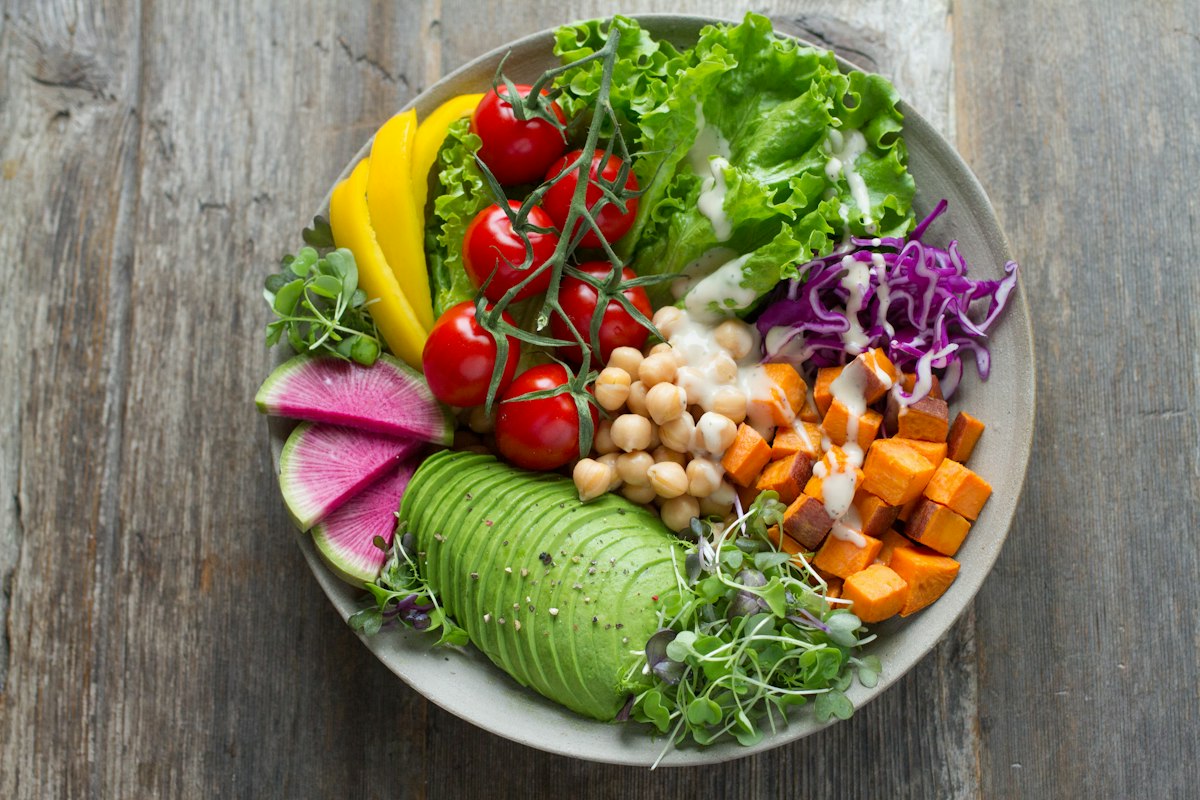
Keto Diet Foods: The Complete List of What to Eat and Avoid
Keto diet foods are the foundation of everything the ketogenic diet achieves — every kilogram of fat lost, every improvement in blood sugar, every hour of sustained mental clarity traces back to the specific foods you put on your plate each day. Get the food choices right and ketosis follows naturally. Get them wrong — even by a handful of hidden carbohydrates in a sauce or a “healthy” snack — and ketosis slips away without warning, taking your fat-burning momentum with it.
This guide is the most comprehensive, science-grounded reference to keto diet foods you will find. It goes far beyond a simple list of “approved” and “forbidden” items. For every food category, you will understand why it supports or disrupts ketosis at the biochemical level — which means you will be able to evaluate any new food you encounter, make intelligent substitutions when your preferred options are unavailable, and never again be blindsided by a food that seemed healthy but quietly knocked you out of fat-burning mode.
You will also find sections on hidden carbohydrate traps in everyday foods, the most common food mistakes that experienced keto dieters still make, how food quality affects ketosis beyond just the carbohydrate count, a complete vegetarian keto foods framework, and practical shopping strategies for building a keto-friendly kitchen efficiently and affordably.
Whether you are about to start the ketogenic diet or have been following it for months, this keto diet foods reference will serve as the most useful guide in your toolkit. Let us begin with the science that determines why certain foods belong in a ketogenic diet and others do not.
Already have your food knowledge solid and ready to plan your week? Check out our complete 7-day keto diet meal plan that puts all these foods into a structured, macro-balanced weekly framework.
Why Keto Diet Foods Are Chosen: The Science of Carbohydrates, Insulin, and Ketosis
Every food choice on the ketogenic diet is ultimately determined by a single biochemical question: does this food, in this quantity, raise blood glucose and insulin to a level that disrupts ketosis? Understanding why that question matters — and how different foods answer it differently — transforms you from someone following a list into someone who understands the system.
The Glycaemic Response: Why Not All Carbohydrates Are Equal
Carbohydrates are not a single, monolithic nutritional category. They range from rapidly digested simple sugars (glucose, fructose, sucrose) that spike blood sugar within minutes, to slowly digested complex starches that produce a more gradual rise, to dietary fibre that is not digested at all by human enzymes and passes through the gut intact. The ketogenic diet’s carbohydrate restriction targets the first two categories — digestible carbohydrates — while generally exempting dietary fibre, which is why net carbohydrates (total carbs minus fibre) rather than total carbohydrates is the operative measure for keto food assessment.
When you eat digestible carbohydrates, blood glucose rises, the pancreas secretes insulin, and the body enters a metabolic state that prioritises glucose burning and fat storage. When insulin is elevated, the enzyme hormone-sensitive lipase (HSL) — which liberates fatty acids from adipose tissue — is suppressed. Fat burning essentially pauses. The entire architecture of keto diet food selection is designed to prevent this insulin elevation from occurring, keeping HSL active and fat oxidation continuous throughout the day.
This is why a food like broccoli — which technically contains carbohydrates — is fully embraced by the keto diet, while a banana — which contains a similar or lower amount of total carbohydrates by weight — is avoided. The broccoli’s carbohydrate content is largely dietary fibre (2.4 grams of net carbs per cup) that does not raise blood glucose. The banana’s carbohydrates are predominantly sugars and starch (approximately 24 grams of net carbs per medium banana) that produce a significant insulin response.
Macronutrient Ratios and Why Food Quality Matters Beyond Carbs
The ketogenic diet’s macronutrient target — approximately 70–75% of calories from fat, 20–25% from protein, 5% from carbohydrates — determines not just which carbohydrate sources to avoid, but which fat and protein sources to prioritise. Not all fats are metabolically equivalent. Not all proteins stimulate insulin equally. Understanding these distinctions is what separates a merely carbohydrate-restricted diet from a genuinely optimised ketogenic one.
Medium-chain triglycerides (MCTs) — found in coconut oil and MCT oil — are processed by the liver differently from long-chain fatty acids. They bypass the normal fat digestion pathway and are rapidly converted to ketone bodies, producing a faster, stronger rise in blood ketone levels than other fats. Including MCT-rich foods in your keto diet is not simply a dietary preference — it is a meaningful metabolic strategy for deepening ketosis, particularly during the early adaptation phase.
Omega-3 fatty acids — abundant in fatty fish, walnuts, flaxseeds, and algae — reduce systemic inflammation, improve insulin receptor sensitivity, and support the neurological benefits of ketosis. A keto diet composed primarily of omega-6-rich processed fats (seed oils, conventional factory-farmed meat) will produce ketosis but with higher systemic inflammation, blunted insulin sensitivity improvements, and reduced metabolic health benefits compared to one built around omega-3-rich whole foods.
Protein quality matters because different protein sources produce different insulin responses. Whey protein, for example, produces a disproportionately large insulin spike relative to its amino acid content — making protein powders based on whey less ideal for ketosis than whole food protein sources like eggs, fatty fish, and meat. Leucine-rich proteins (eggs, beef, fish) most effectively stimulate muscle protein synthesis while producing a moderate, proportional insulin response appropriate for a keto framework.
The Best Keto Diet Foods: A Complete Category-by-Category Reference
The following section covers every major keto diet food category in detail — not just listing what is allowed, but explaining the metabolic rationale, the best options within each category, the correct serving sizes, and the specific mistakes to avoid.
1. Eggs — The Most Keto-Perfect Food
If there is a single food that embodies the ketogenic diet’s nutritional philosophy, it is the egg. One large egg contains approximately 5 grams of fat, 6 grams of complete protein, and less than 0.5 grams of carbohydrates — a macronutrient profile that is almost perfectly aligned with keto targets. Eggs contain all nine essential amino acids, choline (critical for brain health and liver function, and frequently deficient in the general population), lutein and zeaxanthin (antioxidants protective against macular degeneration), and vitamins A, D, E, B12, and K2 in the yolk.
The myth that egg yolks are harmful due to their cholesterol content has been thoroughly debunked in modern nutritional science. Dietary cholesterol has minimal impact on blood cholesterol levels for most people — the liver regulates cholesterol production in response to dietary intake. The yolk is where the majority of the egg’s nutritional value resides. Eating only egg whites on a ketogenic diet sacrifices the most nutrient-dense part of the food for a concern that the science does not support.
Keto preparation methods: scrambled in butter, poached, fried in ghee, soft or hard boiled, baked in individual ramekins with cream and cheese, made into omelettes with low-carb vegetable fillings, or used as a base for keto baked goods using almond or coconut flour.
Serving guidance: 2–4 eggs per meal is a common and appropriate keto serving. There is no compelling evidence that eating 3–4 eggs daily is harmful for cardiovascular health in most people.
2. Meat and Poultry — Zero Carb Protein Anchors
All unprocessed meats — beef, chicken, pork, lamb, turkey, veal, venison, bison — contain zero carbohydrates and are fully keto-compatible. Their protein and fat content varies significantly by cut, and the keto diet specifically favours fattier cuts because they deliver a better macronutrient ratio, greater satiety, and a richer flavour that makes the diet more sustainable.
Beef: ribeye, brisket, short ribs, chuck roast, and 80/20 ground beef are excellent high-fat choices. Lean cuts like sirloin and tenderloin are also acceptable, though they require additional fat from cooking oil or sauce to balance macros. Grass-fed beef contains a meaningfully higher omega-3 fatty acid content and a more favourable omega-6 to omega-3 ratio than conventionally raised beef, making it a superior choice from an anti-inflammatory standpoint when budget allows.
Chicken: thighs and drumsticks (skin on) provide significantly more fat than breast meat and are less expensive. The skin is pure fat and should never be removed on a ketogenic diet. Chicken wings, duck legs, and dark poultry cuts in general are more keto-appropriate than white breast meat.
Pork: belly, shoulder, ribs, bacon, and sausage (check for added sugar and starch in processed products) are excellent keto fat sources. Pork rinds (chicharrones) are a popular keto snack — zero carbohydrates, high in protein and fat, and satisfyingly crunchy as a chip substitute.
Lamb: chops, shoulder, and leg are rich in flavour and provide a good balance of saturated and monounsaturated fats alongside complete protein.
Common mistake: Choosing processed meats (deli ham, flavoured sausages, pre-marinated chicken) without checking labels. Many processed meat products contain added sugar, maltodextrin, or cornstarch as fillers that contribute hidden carbohydrates.
Correction: Read labels on all packaged or processed meats. Look for products with zero added sugar and under 1 gram of carbohydrates per serving. When in doubt, choose whole, unprocessed cuts.
3. Fatty Fish and Seafood — Omega-3 Powerhouses
Fatty fish are among the most nutritionally complete keto diet foods. Salmon, mackerel, sardines, herring, anchovies, and trout all combine high-quality protein with abundant long-chain omega-3 fatty acids (EPA and DHA), which reduce systemic inflammation, improve insulin sensitivity, support cardiovascular health, and enhance the neurological benefits of ketosis. Vitamin D — severely deficient in a large proportion of the global population — is found in meaningful concentrations in fatty fish, making them nutritionally irreplaceable on a ketogenic diet.
Shellfish require more carbohydrate awareness. Shrimp and prawns contain approximately 1 gram of net carbs per 100 grams and are fully keto-compatible in normal serving sizes. Crab and lobster are similarly low-carb. Oysters and mussels are higher — approximately 4–7 grams of net carbs per 100 grams — and should be consumed in moderate portions. Clams are also moderately higher and should be portioned carefully.
Canned fish — sardines, tuna, mackerel, salmon — are among the most cost-effective keto foods available globally. Choose versions packed in olive oil or water rather than vegetable oils, and check that flavoured varieties do not contain added sugar in the sauce.
4. Dairy — Full-Fat Only
Full-fat dairy is one of the most satisfying and metabolically useful categories of keto diet foods. The cardinal rule is simple: always choose the full-fat version. When fat is removed from dairy products, the remaining macronutrient balance shifts toward protein and lactose (milk sugar), increasing the carbohydrate content relative to the fat content and reducing the product’s suitability for ketosis. A cup of full-fat Greek yoghurt contains 5 grams of net carbs. A cup of fat-free Greek yoghurt contains 9 grams — nearly double — with less satiety.
Hard cheeses (cheddar, parmesan, gouda, manchego, gruyère, pecorino) are particularly keto-valuable because their extended aging process converts most of the lactose into lactic acid, leaving them with less than 1 gram of net carbs per 30-gram serving alongside significant fat and protein. Hard cheeses are among the most convenient keto snacks — calorie-dense, shelf-stable, globally available, and satisfying.
Soft cheeses (brie, camembert, goat cheese, cream cheese, mascarpone, ricotta) contain slightly more carbohydrates than hard cheeses due to higher residual lactose, but remain fully keto-compatible in normal serving sizes (60–90 grams per serving, 2–4 grams of net carbs).
Butter and ghee are pure fat with virtually zero carbohydrates — ideal for cooking and adding fat to any meal. Ghee (clarified butter with milk solids removed) is particularly valuable because it contains butyrate, a short-chain fatty acid that feeds the intestinal lining, reduces gut inflammation, and may independently improve insulin sensitivity.
Heavy whipping cream contains approximately 3 grams of net carbs per 100 ml — used in sauces, coffee, soups, and desserts, it adds richness and fat without significant carbohydrate impact.
Foods to avoid: Regular milk (12g net carbs per cup), sweetened yoghurt (20–30g per serving), condensed milk, flavoured cream products, and any dairy product labelled “low-fat” or “reduced-fat.”
5. Healthy Fats and Oils — The Fuel of Ketosis
Fats and oils are the caloric backbone of the ketogenic diet and the direct substrate for ketone production. The quality of fat sources in your keto diet matters significantly for both health outcomes and the depth of ketosis achieved.
Coconut oil and MCT oil are uniquely ketogenic because medium-chain triglycerides are rapidly transported to the liver and converted to ketone bodies, raising blood BHB levels faster and more reliably than long-chain fats. 1–3 tablespoons of coconut oil or MCT oil per day can meaningfully deepen ketosis, particularly during the adaptation phase. MCT oil is the more concentrated form (pure MCTs versus coconut oil’s approximately 60% MCT content) and is typically added to coffee, smoothies, or salad dressings rather than used for cooking (it has a low smoke point).
Extra-virgin olive oil is rich in oleocanthal and oleic acid — monounsaturated fat with strong anti-inflammatory properties. It is ideal for low-to-medium heat cooking, dressings, and finishing dishes. The phenolic compounds in high-quality extra-virgin olive oil are heat-sensitive, so reserve the premium varieties for cold applications and use standard olive oil for cooking.
Avocado oil has a high smoke point (approximately 270°C / 520°F), making it the preferred oil for high-heat cooking on keto — searing meat, stir-frying, roasting at high temperatures.
Animal fats — lard, tallow, duck fat, schmaltz (rendered chicken fat) — are traditional cooking fats that are highly stable at cooking temperatures, rich in saturated and monounsaturated fats, and deeply flavourful. They are fully keto-compatible and were the primary cooking fats in most cultures before industrial seed oil production replaced them in the 20th century.
Oils to avoid strictly: Sunflower oil, soybean oil, corn oil, canola/rapeseed oil, safflower oil, cottonseed oil, and margarine. These refined seed oils are polyunsaturated fats with very high omega-6 content that oxidise readily at cooking temperatures, generating toxic aldehydes and other oxidative compounds. Their excessive omega-6 to omega-3 ratio drives chronic inflammation that undermines the metabolic health benefits of the ketogenic diet.
6. Low-Carbohydrate Vegetables — The Non-Negotiable Category
Non-starchy vegetables are an essential category of keto diet foods that beginners sometimes under-emphasise in an attempt to minimise carbohydrate intake. This is a mistake. The micronutrients, dietary fibre, antioxidants, and meal volume that vegetables provide are necessary for long-term health, gut microbiome diversity, and the sustained enjoyment of the diet. The key is understanding which vegetables are fully keto-compatible and which require caution or avoidance.
The general rule is straightforward: vegetables that grow above ground are typically low in carbohydrates; vegetables that grow below ground (root vegetables) are typically high in carbohydrates. Apply this heuristic first and then verify with specific net carb values for less familiar vegetables.
Fully keto-approved vegetables (under 5g net carbs per 100g serving): spinach (1.4g), arugula/rocket (2.1g), kale (4.1g), Swiss chard (2.1g), bok choy (1.2g), watercress (0.8g), lettuce (all varieties, 1–2g), broccoli (4.0g), cauliflower (3.0g), cabbage (3.5g), Brussels sprouts (5.2g — borderline, use in moderate portions), zucchini/courgette (2.1g), cucumber (2.2g), celery (1.4g), asparagus (2.1g), mushrooms (2.3g), green beans/french beans (4.5g), bell peppers (4.6g), bok choy (1.2g), and fennel (4.2g).
Vegetables requiring portion control (5–10g net carbs per 100g): onion (7.6g — used sparingly as a flavour base), tomato (2.7g per 100g, but concentrated tomato products like paste are much higher), leek (12g — limit), artichoke hearts (5g per 100g in moderate portions), eggplant/aubergine (5.9g).
Vegetables to avoid: Potato and sweet potato (17–20g net carbs per 100g), corn/sweetcorn (17g), peas (9g — moderate, limit), carrots (8g — limit to small amounts), beets/beetroot (9g), parsnips (14g), butternut squash (9g), and acorn squash (10g).
7. Nuts and Seeds — Keto Snack Heroes (With Caveats)
Nuts and seeds occupy a valuable niche in keto diet foods — calorie-dense, portable, nutritious, and satisfying as snacks or meal additions. However, their carbohydrate content varies significantly by variety, and overconsumption is one of the most common subtle causes of ketosis disruption in experienced keto dieters who have relaxed their tracking.
Best keto nuts (lowest net carbs per 30g serving): macadamia nuts (1.5g net carbs) — the king of keto nuts, predominantly monounsaturated fat with the highest fat-to-carb ratio of any nut; pecans (1.2g) — similar profile to macadamia; brazil nuts (1.4g) — exceptional selenium source; walnuts (2.0g) — highest omega-3 content of any nut (ALA); hazelnuts (2.0g); almonds (2.5g) — among the most widely available and versatile keto nuts.
Nuts requiring portion control: Cashews (8.6g per 30g — the highest-carb common nut), pistachios (5.9g), chestnuts (18g — avoid on keto), and peanuts (technically a legume, 3.6g per 30g — acceptable in small quantities, but inflammation concerns from lectin content warrant moderation for some individuals).
Best keto seeds: Chia seeds (1.7g net carbs per 28g — extremely high in fibre and omega-3 ALA); flaxseeds/linseeds (0.4g per 28g — excellent omega-3 source, must be ground for nutrient absorption); hemp seeds (1.0g per 30g — complete protein, balanced omega-3/6 ratio); pumpkin seeds (3.0g per 30g — rich in zinc and magnesium); sunflower seeds (4.0g per 30g — acceptable but high in omega-6, use in moderation); sesame seeds (3.3g per 30g).
8. Fruits — Mostly Avoid, Berries With Care
Fruit is the most emotionally contested category for keto beginners — culturally coded as the healthiest food choice, widely recommended by mainstream nutrition advice, and universally perceived as natural and virtuous. The reality for the ketogenic diet is that most fruits are simply too high in fructose and glucose to be compatible with sustained ketosis. A single medium banana contains 24 grams of net carbs — more than a full day’s carbohydrate budget on strict keto. A cup of grapes provides 26 grams. A mango: 22 grams. These are not trace amounts — they are ketosis-ending quantities.
Keto-compatible fruits are limited primarily to berries — the lowest-sugar fruit family: raspberries (5.4g net carbs per 100g), strawberries (5.7g), blackberries (4.9g), and blueberries (12.1g — higher than other berries, use in 50g portions maximum). A 100g serving of raspberries or strawberries is fully keto-compatible and provides meaningful antioxidants, vitamin C, and fibre.
Avocado is technically a fruit and is one of the best foods in the entire ketogenic diet — approximately 1.8g of net carbs per 100g, 15g of monounsaturated fat, 485mg of potassium per half fruit (critical for electrolyte management), and a rich, satiating texture that makes it a staple in every well-designed keto diet.
Olives are also technically fruits, with approximately 0.5g of net carbs per 30g serving. They are rich in monounsaturated fat, oleic acid, and polyphenols, making them an excellent keto snack and flavour addition.
Fruits to avoid: Banana, mango, grapes, pineapple, watermelon, orange, apple, pear, cherries, plums, peaches, and all dried fruits (which concentrate sugars dramatically — dates, raisins, and dried mango are among the highest-carb foods by weight available).
9. Beverages — What to Drink and What to Avoid
Beverages are the most overlooked source of hidden carbohydrates in the keto diet. Many people who struggle to enter or maintain ketosis are unknowingly consuming significant carbohydrates through drinks rather than food.
Fully keto-compatible beverages: Water (still and sparkling), black coffee (zero carbs, may enhance fat oxidation and ketone production), plain green tea (zero carbs, rich in antioxidants), plain herbal teas (check for added sugar in packaged varieties), unsweetened coconut water (small quantities only — 6g net carbs per 100ml), bone broth (zero carbs, rich in electrolytes and collagen), and unsweetened almond milk (0.5g net carbs per 100ml) or coconut milk (2g net carbs per 100ml).
Beverages requiring caution: Dry red and white wine (approximately 2–4g net carbs per 150ml glass — acceptable occasionally for fat-adapted individuals), spirits without mixers (gin, vodka, whisky, rum — zero carbs from the spirit itself, but alcohol temporarily halts ketone production), and diet sodas sweetened with stevia or erythritol (no carbs, but the sweet taste may perpetuate carbohydrate cravings and the artificial flavours in some products trigger psychological hunger signals in certain individuals).
Beverages to avoid: All fruit juices (even fresh-squeezed — orange juice contains 26g of net carbs per cup), regular sodas, flavoured lattes and frappuccinos, sweetened iced teas, energy drinks (most contain 25–30g of sugar per can), sports drinks, smoothies made with high-sugar fruits, regular cow’s milk (12g carbs per cup), and all cocktails made with sugary mixers or liqueurs.
10. Condiments and Seasonings — Where Hidden Carbs Hide
Condiments are the most frequently overlooked source of carbohydrates in the keto diet. Many commonly used sauces, marinades, and dressings contain significant amounts of added sugar or starch that are invisible when focussing on the main protein and vegetable components of a meal.
Keto-safe condiments: Full-fat mayonnaise (0–1g net carbs per tbsp), Dijon mustard (0.5g per tsp), yellow mustard (0.2g per tsp), hot sauce / sriracha (check label — most are under 1g per tsp), soy sauce (0.5–1g per tbsp — choose tamari for gluten-free), fish sauce (0–0.5g per tsp), apple cider vinegar (0.1g per tbsp), red wine vinegar (0g), coconut aminos (2g per tbsp — higher than soy, use in moderation), fresh herbs and spices (negligible carbs in culinary quantities), olive oil (0g), and cream-based sauces made with heavy cream (check for added flour or cornstarch as thickeners).
Condiments to avoid: Ketchup (4–5g per tbsp), regular BBQ sauce (6–12g per tbsp), sweet chilli sauce (10–14g per tbsp), hoisin sauce (7g per tbsp), teriyaki sauce (5–8g per tbsp), honey mustard (5g per tbsp), sweet relish, mango chutney, and most store-bought stir-fry sauces (frequently contain 8–15g of sugar per serving).
Keto Diet Foods to Avoid: The Complete Exclusion List
Understanding which foods to avoid on the keto diet is as important as knowing which foods to embrace. The following categories must be eliminated or severely restricted to maintain ketosis consistently.
Grains and Grain-Based Products
All grains and their derivatives are incompatible with ketosis due to their high starch content. This category includes wheat (bread, pasta, flour, crackers, cakes, biscuits, cereals, pizza dough), rice (white, brown, basmati, jasmine), oats (rolled, steel-cut, instant), corn and cornmeal (popcorn, tortillas, polenta), barley, rye, millet, sorghum, buckwheat, and quinoa. Even “healthy” whole grain options — brown rice, wholemeal bread, ancient grain crackers — contain too many net carbohydrates for ketosis.
A single slice of wholemeal bread contains approximately 12–15 grams of net carbs. One cup of cooked brown rice contains 45 grams. A bowl of oats: 25–30 grams. These are not trace amounts — they represent, in many cases, a full day’s carbohydrate budget in a single food item.
Sugars and Sweetened Products
All forms of refined and natural sugar are eliminated: white sugar, brown sugar, raw sugar, icing sugar, cane sugar, beet sugar, honey (despite its natural origins, honey is 80% sugar), maple syrup, agave nectar, rice syrup, corn syrup, high-fructose corn syrup, coconut sugar, palm sugar, and molasses. Sugar-sweetened products — sweets, chocolate (below 85% cocoa), ice cream, cakes, biscuits, pastries, jams, fruit preserves, sweetened yoghurt, flavoured coffee syrups, and energy bars — are all excluded.
Legumes and Pulses
Beans, lentils, chickpeas, peas, and all pulses are too high in net carbohydrates for regular inclusion in a strict ketogenic diet, despite their reputation as healthy plant proteins. One cup of cooked black beans contains 41 grams of net carbs. Lentils: 30 grams. Chickpeas: 33 grams. Edamame (fresh soybeans) is the most keto-friendly legume at approximately 8 grams of net carbs per 100 grams — acceptable in small portions for some individuals.
Most Fruits (see Fruits section above for exceptions)
As detailed in the Foods to Eat section, the vast majority of fruits are excluded from the ketogenic diet due to their high fructose and glucose content. This is often the most emotionally difficult part of the keto diet for people who have been told their entire lives that fruit is the healthiest food available. The fructose in fruit, while naturally occurring, is processed by the liver in a pathway that bypasses normal glucose metabolism and can contribute to triglyceride production and mild insulin stimulation. For a metabolic state as precisely calibrated as ketosis, most fruit simply does not fit.
Vegetarian Keto Diet Foods: Complete Plant-Based Reference
Building a nutritionally complete ketogenic diet without meat requires a deliberate and thoughtful approach to protein sourcing, fat quality, and micronutrient coverage. The vegetarian keto food landscape is richer than most people expect — but it requires knowing specifically where to find each macronutrient.
Top Vegetarian Keto Protein Sources with Net Carb Counts
Eggs (0.4g net carbs per egg, 6g protein) — the cornerstone of any vegetarian keto diet. Eat liberally. Paneer (1.2g net carbs per 100g, 18g protein, 20g fat) — ideal for vegetarians familiar with South Asian cooking. Firm tofu (1.9g net carbs per 100g, 8g protein, 4g fat) — versatile, absorbs marinades well. Tempeh (9g net carbs per 100g, 19g protein, 11g fat — higher carbs, use in measured portions). Halloumi cheese (0.5g net carbs per 100g, 18g protein, 25g fat) — exceptionally keto-friendly. Hard aged cheeses (0.5–1g net carbs per 30g, 7–9g protein, 8–10g fat). Full-fat Greek yoghurt (4.7g net carbs per 100g, 10g protein) — excellent with berries and nuts. Hemp seeds (1g net carbs per 30g, 10g complete protein, 14g fat) — rare complete plant protein. Nutritional yeast (2g net carbs per 15g, 8g protein) — rich in B vitamins, naturally cheesy flavour.
Critical Micronutrients for Vegetarian Keto
The intersection of vegetarian eating and ketogenic eating creates specific nutrient gap risks that must be proactively addressed. Vitamin B12 is absent from all plant foods and is the single most important supplement for vegetarian keto practitioners — deficiency leads to irreversible neurological damage and megaloblastic anaemia. Supplement methylcobalamin (the active form) at 1,000 mcg daily or 2,500 mcg three times per week. Iron: plant-based non-haem iron is significantly less bioavailable than haem iron from meat — enhance absorption by consuming vitamin C-rich vegetables (bell peppers, broccoli, kale) alongside iron-containing foods (pumpkin seeds, hemp seeds, spinach). Zinc: phytates in plant foods bind zinc, reducing absorption — soaking, sprouting, and fermenting plant foods reduces phytate content. Consider a zinc supplement of 8–11mg daily. Omega-3 DHA/EPA: ALA from flaxseeds and walnuts converts inefficiently to EPA/DHA in humans — algae-based DHA/EPA supplements are the most direct and reliable source of the active omega-3 forms for vegetarians.
7 Keto Diet Food Mistakes That Silently Disrupt Ketosis
Mistake 1: Buying “Keto-Labelled” Products Without Reading Labels
The commercial keto food market is flooded with products — bars, cookies, cereals, breads — that claim to be “keto-friendly” but contain maltitol or other glycaemic sugar alcohols that meaningfully raise blood sugar, net carb counts that are deceptively calculated, or inflammatory seed oils as the primary fat source. Fix: Treat any packaged product with “keto” on the label with the same scepticism you would apply to any health claim. Read the full ingredient list and nutritional panel. If maltitol, sorbitol, or isomalt appears, or if net carbs exceed 5g per serving, reconsider.
Mistake 2: Using Low-Quality Cooking Oils
Many keto practitioners carefully manage their macronutrient ratios but cook everything in refined sunflower or vegetable oil — simultaneously oxidising their fats at cooking temperatures and flooding their diet with pro-inflammatory omega-6 fatty acids. Ketosis may be maintained, but the anti-inflammatory and metabolic health benefits of the diet are significantly compromised. Fix: Cook in butter, ghee, coconut oil, lard, tallow, or avocado oil. Reserve extra-virgin olive oil for cold applications.
Mistake 3: Over-Relying on Cheese and Ignoring Vegetables
Cheese is an excellent keto food, but building a diet primarily around cheese — because it is convenient and low-carb — at the expense of a diverse range of vegetables creates micronutrient gaps, gut microbiome disruption from lack of fibre, and the dietary monotony that drives long-term keto abandonment. Fix: Treat cheese as a flavour and fat enhancer, not as a primary meal component. Build meals around a protein source and a generous portion of non-starchy vegetables, then add cheese as a topping or finishing element.
Mistake 4: Not Accounting for Carbs in Nuts When Snacking Mindlessly
Nuts are excellent keto foods in measured portions. But handful-by-handful snacking while watching television or working at a desk — without measuring — easily adds 20–30 grams of additional net carbs from cashews, pistachios, or even almonds before the person realises it. Fix: Pre-portion nuts into 30g servings before snacking. Choose macadamia nuts or pecans (lowest carb options) as your primary snacking nut. Avoid keeping large open bags of mixed nuts accessible during sedentary activities.
Mistake 5: Treating “Natural” Sweeteners as Keto-Safe
Honey, coconut sugar, maple syrup, agave, and dates are marketed as natural alternatives to refined sugar. From a metabolic standpoint, they are biochemically equivalent — all raise blood glucose and insulin and are equally incompatible with ketosis. “Natural” does not mean low glycaemic. Fix: Use only stevia, erythritol, monk fruit, or allulose as sweeteners. Verify that any sweetened keto product uses these specific compounds and not alternative natural sweeteners.
Mistake 6: Consuming Excessive Dairy and Stalling Fat Loss
Dairy contains lactose, a disaccharide sugar that raises insulin in a dose-dependent manner. For most keto practitioners, moderate dairy consumption does not disrupt ketosis. But consuming multiple cups of heavy cream, large quantities of full-fat yoghurt, and abundant cheese across a day can cumulatively deliver enough lactose-derived insulin stimulation to blunt fat oxidation — particularly for individuals with higher insulin sensitivity to dairy proteins (whey, in particular, is an unusually potent insulin secretagogue). Fix: If fat loss stalls despite strict carbohydrate restriction, reduce dairy intake to 1–2 servings of hard cheese per day and eliminate cream and yoghurt for 2 weeks to assess the effect.
Mistake 7: Buying the Most Expensive “Superfood” Keto Ingredients
Keto influencer content heavily promotes exotic, expensive ingredients — MCT oil powder, grass-fed collagen peptides, adaptogen-enhanced keto coffee blends, $15-per-jar nut butters, and specialty keto baking mixes. While some of these products have genuine merit, none are necessary for ketosis. The most metabolically effective keto diet foods — eggs, butter, full-fat cheese, chicken thighs, frozen broccoli, tinned sardines — are among the most affordable foods at any supermarket. Fix: Build your keto diet food foundation on simple, whole, affordable ingredients. Add specialty items as optional enhancements if budget allows, not as prerequisites for success.
The Psychology of Keto Diet Foods: Changing Your Relationship With What You Eat
Knowing which keto diet foods to eat is a knowledge problem. Actually eating those foods consistently — in a world where incompatible foods are available at every turn, socially celebrated at every gathering, and emotionally associated with comfort, reward, and belonging — is a behavioural problem. The psychological dimension of keto food choices is where most people’s real struggle lives.
Food as Reward: Rewiring the Dopamine Circuit
High-carbohydrate, high-sugar foods activate the brain’s dopamine reward system with an intensity that low-carb, high-fat foods initially do not match. Years of using sweet or starchy foods as rewards, comfort, celebration, and stress relief create deeply ingrained neurological pathways that do not disappear simply because you have decided to eat differently. In the first two to four weeks of the ketogenic diet, the absence of carbohydrate-driven dopamine stimulation manifests as cravings, restlessness, and a sense that something is missing — not because your body needs carbohydrates, but because your brain’s reward circuit is temporarily under-stimulated relative to its established baseline.
Understanding this as a neurological recalibration process — not a failure of willpower or evidence that the diet is wrong for you — is the most important psychological reframe available to keto beginners. The dopamine pathways do not disappear with disuse — they weaken and redirect. As the brain adapts to the neurochemical environment of ketosis (which includes elevated GABA and altered serotonin dynamics that many people find calming and mood-stabilising), new reward associations form around keto foods. The rich satisfaction of a well-seasoned steak, the creamy depth of a properly made cauliflower gratin, the clean mental energy of a well-fasted morning — these become the new reward anchors, replacing the sugar spike and crash cycle.
Environmental Design: Making the Right Food the Easy Food
The most reliable predictor of what a person eats is not their stated intention but their food environment — what is immediately visible, accessible, and convenient in their kitchen, workplace, and typical food contexts. People eat what is in front of them with minimal deliberation when hungry, tired, or stressed. Keto success therefore depends less on moment-to-moment willpower and more on the advance engineering of an environment where keto diet foods are the most accessible option at every meal occasion.
Practical environment design: clear the kitchen of all non-keto foods (or at minimum, move them to inaccessible locations — high shelves, the back of freezers). Fill the refrigerator front-and-centre with prepared keto foods — boiled eggs at eye level, cut vegetables in clear containers, portioned cheese, leftover keto meals from batch cooking. Keep a visible bowl of macadamia nuts on the kitchen counter. Have portable keto snacks in your bag, car, desk drawer, and wherever else unplanned hunger tends to strike. Make keto food the default — the easiest thing to reach for — and non-keto food the inconvenient choice that requires deliberate effort to access.
How Your Keto Diet Foods Choices Drive Results: A Realistic Timeline
The quality and consistency of your keto diet food choices directly determines both the speed of your results and their long-term sustainability. Here is how food choices translate to outcomes across a realistic timeline.
The First Week: Food Choices Determine Symptom Severity
In the first week of the ketogenic diet, the quality of your food choices — particularly electrolyte management through food — determines whether you experience severe or minimal keto flu symptoms. Choosing electrolyte-rich keto foods proactively (avocado for potassium, spinach for magnesium, generously salted food for sodium, bone broth for a full electrolyte matrix) can reduce or eliminate the headaches and fatigue that cause many beginners to quit in week one. Neglecting these foods while focussing only on carbohydrate restriction virtually guarantees a difficult first week.
Weeks 2–8: Food Quality Determines the Depth of Your Transformation
Two keto dieters can both maintain ketosis — confirmed by blood ketone testing — on dramatically different food quality levels. One eats whole foods: grass-fed meat, wild-caught salmon, organic vegetables, olive oil, avocado, full-fat dairy, and nuts. The other eats primarily processed keto products: keto bars, deli meats with additives, refined seed oil-fried foods, and artificially sweetened beverages. Both may show similar weight on the scale after two months. But the metabolic health markers, inflammatory markers, gut microbiome diversity, hormonal balance, and subjective experience of energy and wellbeing will diverge significantly. The whole-food keto practitioner will typically show superior improvements in every biomarker, report better energy and mental clarity, and sustain the diet far longer because the food is intrinsically more satisfying and health-supportive.
To understand how your food choices affect broader metabolic health markers, read our guide on metabolic health markers and what they mean for your body.
Keto Diet Foods FAQ: 15 Most Important Questions Answered
Q1. How many net carbs are in common keto diet foods?
Quick reference per 100g: spinach 1.4g, broccoli 4g, cauliflower 3g, zucchini 2.1g, avocado 1.8g, salmon 0g, eggs 0.4g per egg, cheddar cheese 1.3g, butter 0g, almonds 9g, macadamia nuts 5g, raspberries 5.4g, strawberries 5.7g, chicken breast 0g, ground beef 0g. These figures refer to cooked weights for meat and raw weights for vegetables unless otherwise specified.Q2. Can I eat oats on keto?
Regular oats are not keto-compatible — one cup of cooked oats contains approximately 27 grams of net carbohydrates. So-called “keto overnight oats” made from chia seeds, hemp seeds, and unsweetened coconut milk can mimic the texture and ritual of oat-based breakfasts with under 5 grams of net carbs, but they do not contain oats. If the texture and convenience of oats is what you miss, this chia-based alternative is the most satisfying substitution.Q3. Is peanut butter keto-friendly?
Natural peanut butter (ingredients: peanuts, salt) contains approximately 5.5 grams of net carbs per 2-tablespoon serving — acceptable within a daily keto budget in moderation. However, most commercial peanut butters contain added sugar, hydrogenated oils, and other additives that add carbohydrates and reduce food quality. Check labels carefully. Almond butter (3.5g net carbs per 2 tbsp) and macadamia nut butter (2g net carbs per 2 tbsp) are lower-carb alternatives.Q4. Is popcorn keto?
No. Despite being a relatively light food by volume, popcorn is a grain-based food with approximately 14 grams of net carbs per two-cup serving — enough to disrupt ketosis for most people. Keto-compatible crunchy snack alternatives include pork rinds (zero carbs), cheese crisps (baked parmesan or cheddar, under 1g net carbs per serving), cucumber with cream cheese, or a handful of macadamia nuts.Q5. Can I eat sweet potatoes on keto?
Sweet potatoes are not keto-compatible. Despite their reputation as a healthier carbohydrate, a medium sweet potato contains approximately 20–25 grams of net carbohydrates — a full day’s budget on strict keto. The most satisfying keto substitute for the starchy, creamy qualities of sweet potato is cauliflower mash (3g net carbs per cup) or turnip mash (4g net carbs per cup), particularly when enriched with butter, cream, and garlic.Q6. Is Greek yoghurt keto?
Full-fat, plain, unsweetened Greek yoghurt is keto-compatible in moderate portions — approximately 200g per serving provides around 9 grams of net carbs and 20 grams of protein, fitting within a daily keto budget when the rest of the day’s meals are carefully managed. Avoid flavoured Greek yoghurts (which contain 15–25g of added sugar per serving), low-fat versions (higher lactose concentration), and any yoghurt with fruit, granola, or sweetener additions.Q7. What fruits can I eat on the keto diet?
The keto-compatible fruit list is short: raspberries, strawberries, blackberries (all under 6g net carbs per 100g), blueberries (in 50g portions, 6g net carbs), avocado (1.8g net carbs per 100g — the best keto fruit), and olives (0.5g per 30g serving). All other common fruits — banana, apple, mango, grapes, pineapple, watermelon, citrus fruits — are too high in sugar for regular ketogenic consumption.Q8. Is dark chocolate keto-friendly?
Dark chocolate with 85% or higher cocoa content is keto-compatible in small portions (2–3 squares, approximately 15–20g). At 85% cocoa, net carbs are approximately 5–7g per 30g serving — manageable within a daily keto budget. The cocoa itself contains flavanols with proven cardiovascular benefits. Below 80% cocoa, sugar content rises steeply and the product becomes increasingly incompatible with ketosis. Avoid “sugar-free” chocolates sweetened with maltitol, which raises blood sugar almost as much as regular sugar.Q9. Can I eat beans on keto?
Standard beans and pulses — black beans, kidney beans, chickpeas, lentils — are not compatible with strict ketosis due to their high net carbohydrate content (25–41g per cup cooked). However, some keto practitioners who are more metabolically flexible include very small portions of legumes — 2–3 tablespoons of black beans or sprouted lentils — without breaking ketosis. The most keto-friendly legume is edamame at approximately 4g net carbs per 100g cooked. Green beans (despite being named “beans”) are actually a vegetable with only 4.5g net carbs per cup and are fully keto-compatible.Q10. What is the best oil to cook with on keto?
For high-heat cooking (searing, frying, roasting above 200°C / 400°F): ghee, tallow, lard, or avocado oil — all have high smoke points and stable fat profiles. For medium-heat cooking (sautéing, stir-frying): butter, coconut oil, or refined olive oil. For cold applications and dressings: extra-virgin olive oil, walnut oil, or flaxseed oil. Never use refined seed oils (sunflower, soybean, canola) at any heat level on the keto diet.Q11. Are carrots keto?
Carrots contain approximately 8 grams of net carbs per 100 grams — higher than most keto-approved vegetables but lower than true starchy vegetables. A small number of carrot sticks used as a vehicle for full-fat dip (approximately 30g, 2.4g net carbs) can fit within a strict keto day. However, large quantities of carrots — as a side dish, juiced, or as a primary vegetable component — will contribute enough carbohydrates to risk disrupting ketosis.Q12. How do I replace bread on the keto diet?
The most effective keto bread alternatives: almond flour bread (approximately 3g net carbs per slice vs. 14g in wholemeal bread), coconut flour bread (2g net carbs per slice), cloud bread (made from eggs, cream cheese, and cream of tartar — 0.3g net carbs per slice), portobello mushroom caps (used as burger buns, 2g net carbs per cap), large lettuce leaves (for wraps and burger buns), and cucumber slices (for open-faced “sandwiches” with toppings).Q13. Can I eat cheese on keto every day?
Yes — hard aged cheeses in moderate daily portions (60–90g per day) are nutritionally appropriate and keto-compatible for most people. They provide fat, protein, calcium, phosphorus, and vitamin K2. Some individuals with dairy sensitivity or those who have stalled in fat loss may benefit from reducing cheese consumption temporarily, but for the majority of keto practitioners, daily cheese consumption poses no metabolic concern. Variety within cheese types — rotating between cheddar, parmesan, brie, goat cheese, and feta — also provides broader nutritional diversity.Q14. Are there keto-friendly protein powders?
Yes, with important caveats. Plant-based protein powders — pea protein, hemp protein, and brown rice protein blends — are generally more keto-compatible than whey protein because whey produces a disproportionately large insulin response relative to its amino acid content. Egg white protein powder is also a good keto-compatible option. Choose unsweetened or stevia-sweetened variants and check that the product contains under 3 grams of net carbs per serving. Always check total carbohydrates and ingredients for hidden maltodextrin or sugar additions.Q15. What foods naturally boost ketone levels?
Several specific foods measurably increase ketone production beyond what carbohydrate restriction alone achieves: coconut oil (rich in ketogenic MCTs — particularly caprylic acid/C8, the most ketogenic MCT); MCT oil (concentrated C8 and C10 MCTs, the most direct dietary ketone precursor); butter and ghee (contain small amounts of short-chain butyrate that supports ketone metabolism); intermittent fasting combined with any keto meal (extended fasting windows deepen ketosis by fully depleting glycogen); and aerobic exercise in a fasted state (depletes glycogen rapidly, accelerating ketone production). Adding 1–2 tablespoons of coconut oil or MCT oil to your daily routine is the simplest dietary method for deepening ketosis beyond baseline.
Keto Diet Foods Myths vs Facts
| MYTH | FACT |
|---|---|
| All fat is the same — any fat will work on keto. | Fat quality matters enormously. MCT-rich fats (coconut oil, MCT oil) actively boost ketone production. Omega-3-rich fats (fatty fish, walnuts, flaxseeds) reduce inflammation. Oxidised omega-6 seed oils (sunflower, soybean) undermine the anti-inflammatory benefits of ketosis even while maintaining carbohydrate restriction. |
| You can eat as much protein as you want on keto. | Excess protein triggers gluconeogenesis — the liver converts surplus amino acids to glucose, raising insulin and potentially disrupting ketosis. Protein should be moderate (1.2–1.7g per kg of body weight), not unlimited. |
| Fruit is always healthy and should be eaten freely on any diet. | Fruit contains varying levels of fructose and glucose that raise blood sugar and insulin. For the ketogenic diet specifically, most fruits contain too many carbohydrates to maintain ketosis. Only berries and avocado are regularly keto-compatible. |
| “Sugar-free” automatically means keto-safe. | Many “sugar-free” products contain maltitol, sorbitol, or isomalt — sugar alcohols with significant glycaemic impact that raise blood sugar almost as much as regular sugar. Always verify that sweeteners are stevia, erythritol, monk fruit, or allulose. |
| Eating fatty meat every day is dangerous for your heart. | In a low-insulin, ketogenic metabolic environment, saturated fat from whole food sources behaves differently than it does in a high-insulin, high-carbohydrate context. The keto diet’s net effect on cardiovascular risk markers — reduced triglycerides, elevated HDL, lower blood pressure, improved insulin sensitivity — is consistently beneficial in clinical research for the majority of people. |
| Vegetables have too many carbs for keto. | Non-starchy vegetables are low in net carbohydrates and essential for nutritional completeness on the keto diet. Leafy greens, broccoli, cauliflower, zucchini, asparagus, and mushrooms can and should be eaten generously. The keto diet restricts starchy vegetables (potato, corn, peas, sweet potato), not vegetables in general. |
Conclusion: Build Your Kitchen Around the Right Keto Diet Foods
Keto diet foods are not simply a checklist — they are a metabolic system. Every food on the approved list works because it maintains the low-insulin, fat-burning environment that makes the ketogenic diet so transformative. Every food on the avoidance list disrupts that environment, some dramatically and some subtly. And the difference between a keto dieter who succeeds for months and years and one who struggles and eventually quits is rarely a knowledge gap — it is a kitchen gap.
The most powerful single action you can take after reading this guide is not to memorise every net carb count in every food category. It is to spend 60 minutes restructuring your kitchen: removing foods that will disrupt your progress, stocking the refrigerator with prepared keto-compatible options, and making the right food the easiest food to reach for at every meal and snack occasion.
Do that today. Stock your kitchen with eggs, butter, full-fat cheese, fatty fish, chicken thighs, avocados, a wide variety of non-starchy vegetables, nuts, berries, and high-quality oils. Remove the bread, pasta, rice, sugary condiments, and refined seed oils. Start Sunday with 90 minutes of batch cooking. And then simply eat the food that is in front of you — the food that has been deliberately chosen, in a calmer moment, to drive your best metabolic outcome.
If you want a structured, science-backed programme that gives you not just the food knowledge but a complete system — personalised meal plans, progress tracking, expert guidance, and a proven framework that has helped thousands of people transform their body composition and metabolic health — the resource below is worth exploring:
✅ Get Your Complete Science-Backed Keto Food and Transformation Programme Here
Your kitchen is your most powerful metabolic tool. Stock it wisely — and let the biology do the rest.
References & Further Reading: